Register Duurzame Leefomgeving launched
‘Sustainability must be measurable before it can make an impact’
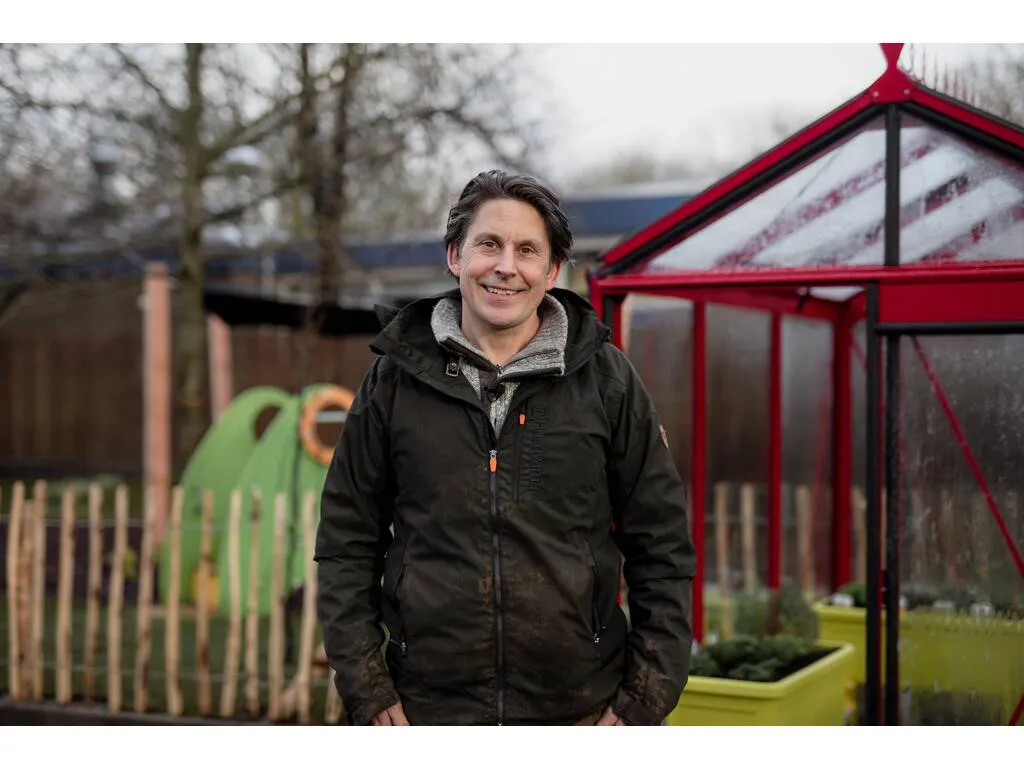
Lodewijk Hoekstra, founder of NL Greenlabel, believes that raising awareness of sustainability is not enough and that more action is needed. “Green is now seen as decoration, not yet as added ecological value.” NL Greenlabel has therefore been working for years to make sustainability, green space and biodiversity measurable. To make this even clearer, it is launching the Register Duurzame Leefomgeving (RDL).
Hoekstra believes companies must be able to demonstrate how sustainably they operate. He explains: “If you can make that measurable, it becomes much easier to agree on targets. You know in advance exactly what environmental impact you have, or could have. That also makes it much easier to work towards your ambitions.” He sees sustainability as something that applies to the entire supply chain. “Take organic plants, which are currently highly regarded. If it’s a palm tree from Italy, no one considers the transport of the tree, and then there’s no ecological value left. That’s a very one-sided view of sustainability. That needs to change.”
Embedding sustainability
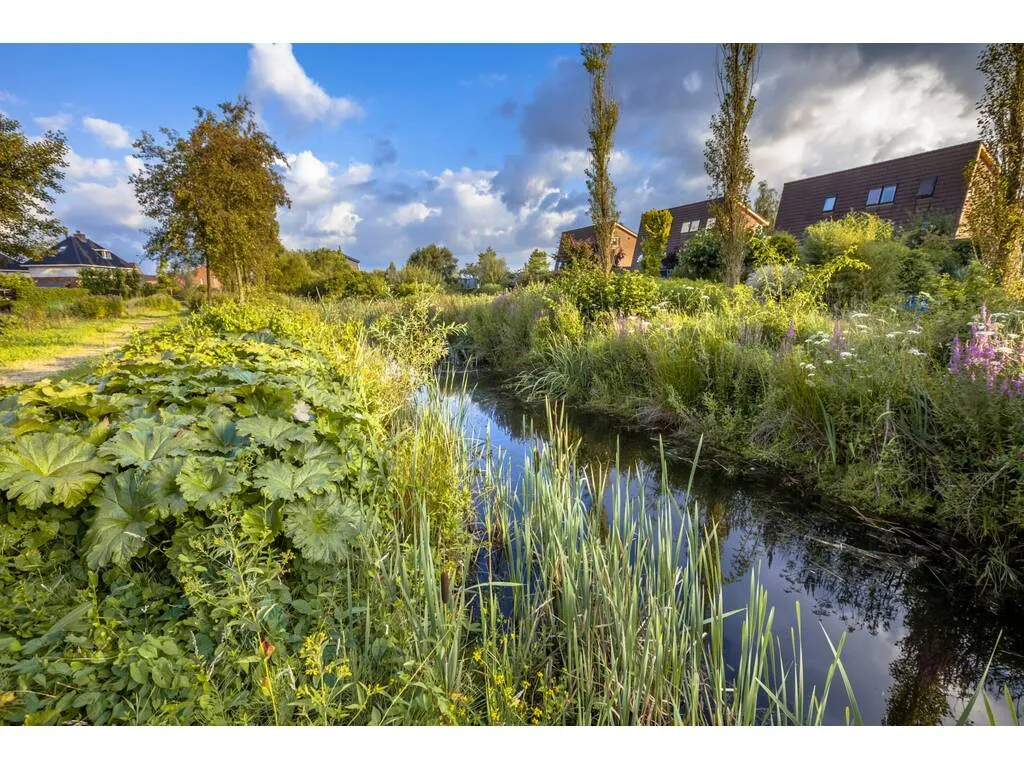
NL Greenlabel makes it possible to look at the bigger picture. It does this, for example, through area labels. These labels show the sustainability of an area on a broad scale. Topics include climate resilience and biodiversity, as well as citizen participation and the integration of sustainability into management. “All the information about an area’s sustainability is brought together in the label.” NL Greenlabel’s next step was to make this information accessible. More and more open data relating to these topics was becoming available, leading to the idea of digitising the label. “The Register Duurzame Leefomgeving (RDL) responds to the growing volume of information,” says Hoekstra.
Everything in one place
The RDL is a knowledge portal that links different aspects of sustainability to geodata. “You link our area label to geodata using an ‘NL Omgevingsscan’, which tells you an enormous amount about an area. For example, it provides information about the climate, health and biodiversity. But that’s just the information: users still need to put it into practice. That’s where the RDL comes in.” As well as data, the RDL offers more practical resources. “A fully automated report with recommended actions, including cost-benefit analyses. Analysing geodata is the only way to say anything meaningful about the impact of the measures we take, because we monitor those measures.”
NL Terreinlabel Experts can help turn the data from the RDL into action. “The trained experts understand the labels, know how to make key aspects measurable and have practical experience. That’s an ideal combination that will be really useful to landscaping professionals.” Ultimately, Hoekstra and NL Greenlabel are aiming for an integrated approach. “I like to compare it to the energy label. It gives you a rating and practical steps for improving it. But while an energy label is only about energy, our label covers the overall sustainability of outdoor spaces.
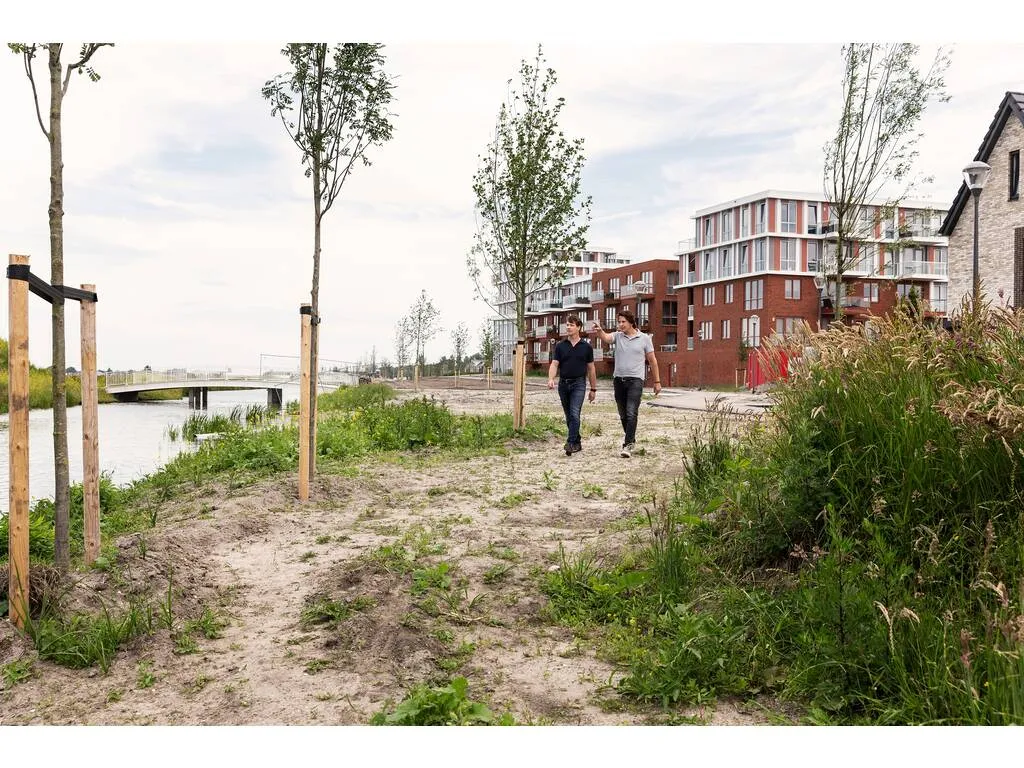
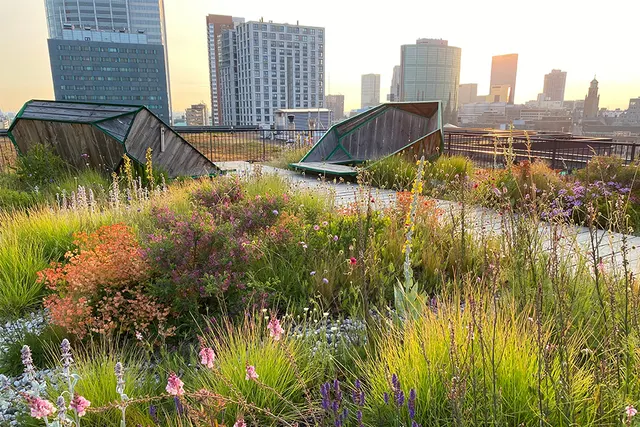
What does that look like in practice? Hoekstra gives an example: “Installing a roof garden is incredibly popular these days. Everyone wants to make things greener, and this is an ideal solution. It cools your home and is also good for water storage. No downsides, you might think. But taking a broader view reveals other aspects too. A roof garden can lead to vulnerable areas being excavated for soil, or to much higher water consumption. You only know whether something really works if you look further along the supply chain and make sustainability truly measurable. That’s what we do at NL Greenlabel, and the RDL is the next step in that process.”
Insight above all Hoekstra puts it very briefly. “Whatever work we carry out, from designing a garden to highlighting particular products, insight is always the most important thing. Why is something sustainable? And exactly how sustainable is it? That’s knowledge that’s genuinely useful to people.”
Hoekstra believes many green-space professionals want to make the world a better place through greenery. “To make a real contribution, you need knowledge and tools. That’s what we’ll provide. NL Greenlabel’s strength lies in our network. We bring together architects, scientists and people from the construction industry. That gives us broad-ranging knowledge, from seed mixes to sustainable materials. That, in turn, is ideal for green-space professionals.”
Every green-space professional has a different approach to sustainability. “Of course, everyone deals with it differently. Our ultimate goal is a big green wave. The more organisations that join NL Greenlabel, the more relevant we become. The more authority we have as a platform, the more we can do. At the moment, the green sector is still made up of separate islands. If we can build connections, sustainable development will move faster. That’s how we can work together towards a green future.”
The long term
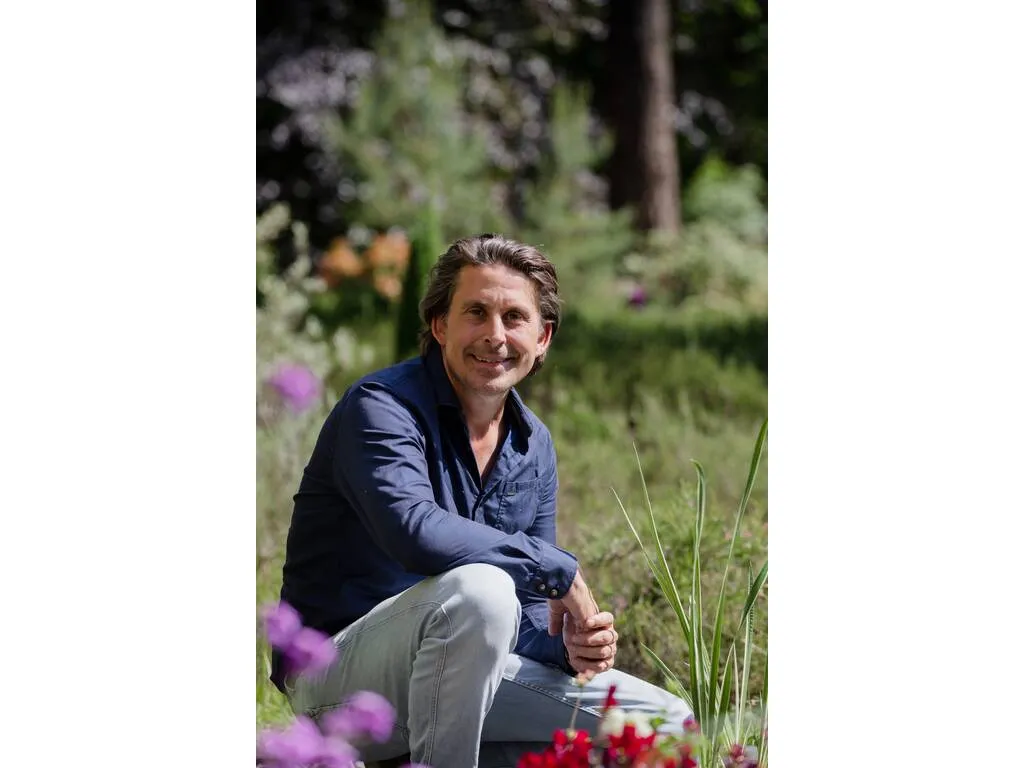
One concern Hoekstra sometimes hears is that green-space professionals worry about NL Greenlabel’s dealings with government bodies. “If we want to do this properly, we can’t keep talking only to the sector. We need to be aware of the ecosystem we work in. If our efforts lead to green space being valued more highly in government policy, the whole sector benefits. But ultimately, of course, we remain the voice of the green sector.”
Question about this story? Ask your question
Companies in this story
Keep following this
Get an email when a new story is published. No account needed.
- SubjectSustainability
- CompanyNL Greenlabel