Towards a sustainable outdoor space
Working together to reduce climate-related damage
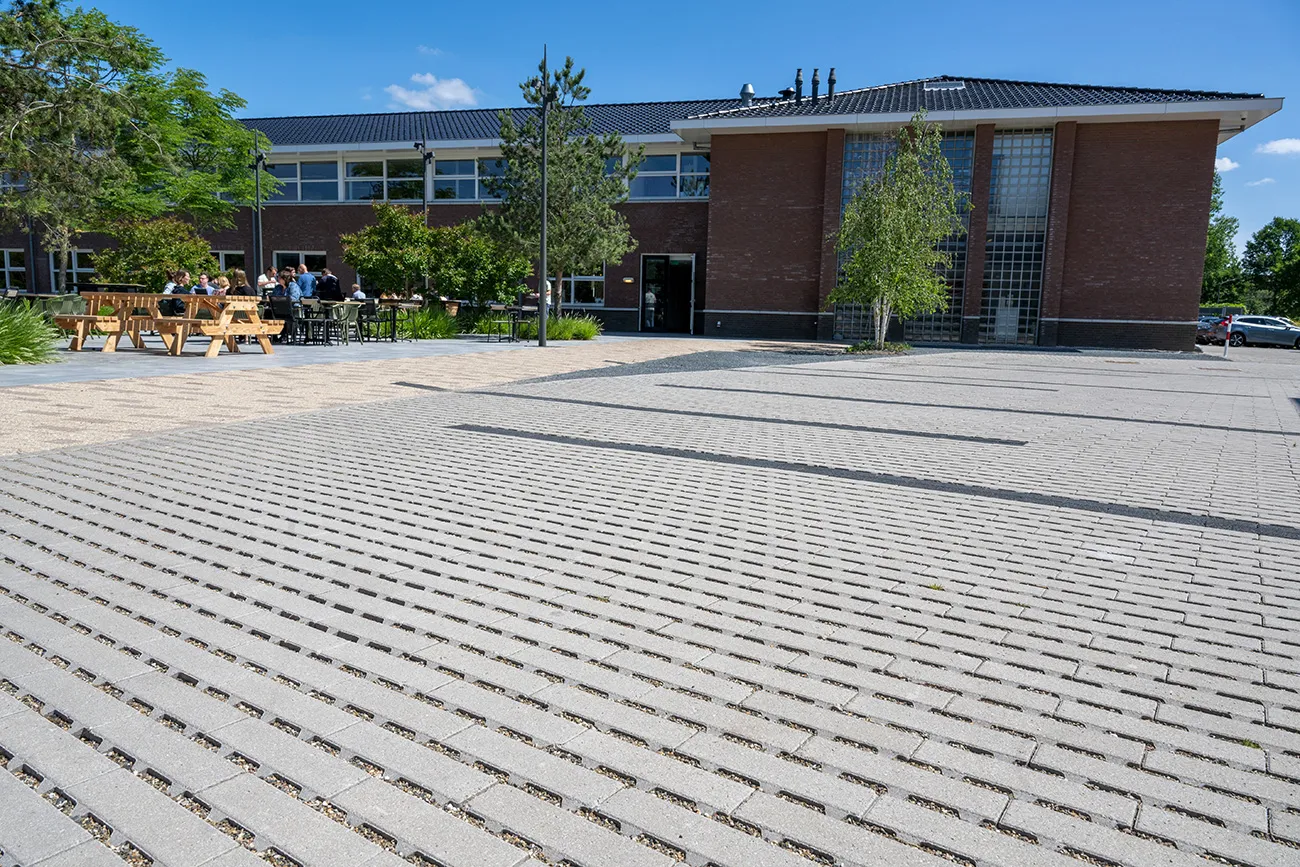
Creating a sustainable outdoor space can reduce the damage caused by climate change, for example from flooding and heat stress. It can also improve living conditions and boost biodiversity. “But to achieve that, all the solutions need to come together. A sustainable paving stone on its own is no use if the rest of the outdoor space is not designed to work with it,” says Mirjam Rosman, marketing and communications manager at MBI De Steenmeesters.
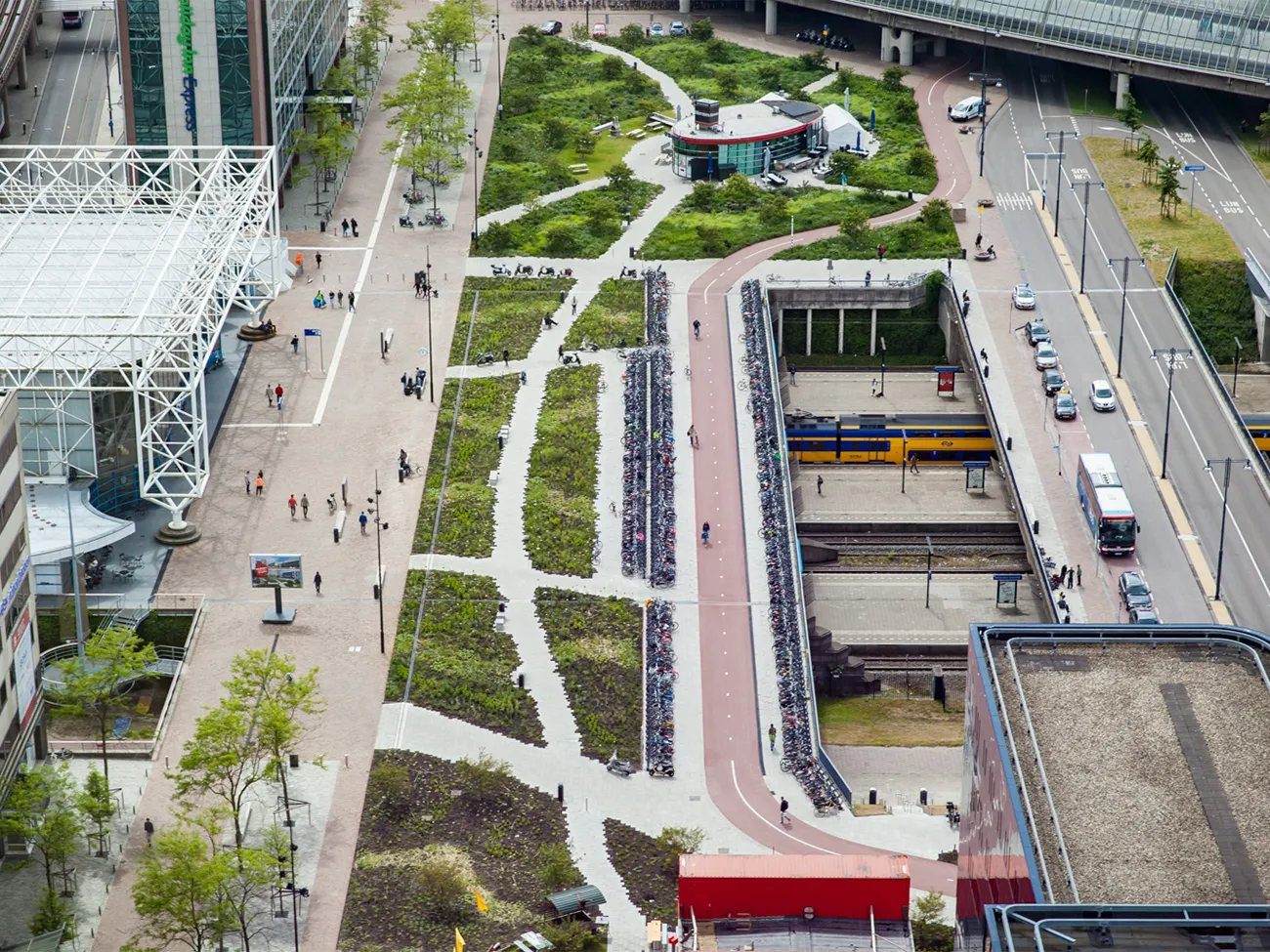
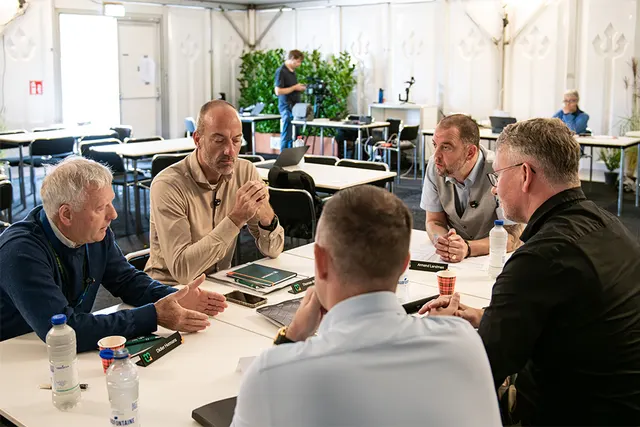
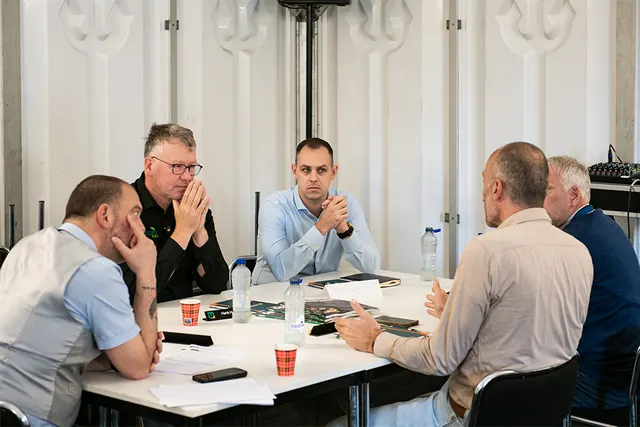
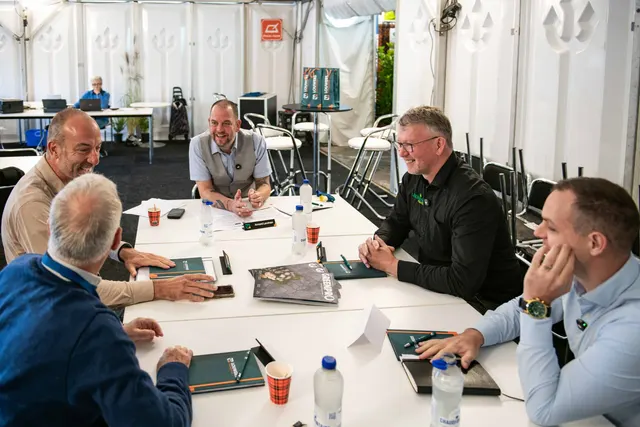
With this in mind, MBI launched an internal initiative last year under the banner City Health; the healthy city. “We began working closely with Buro Bert Huls, a leading landscape architect and visionary. We asked him to draw up guidelines for designing outdoor spaces that contribute to a healthy city. For example, how can you make a street ‘waterproof’ using permeable paving, as well as solutions from other product suppliers, growers and manufacturers? In this way, we want to offer the market broader solutions for issues including water, heat and biodiversity. This means looking beyond the sustainability of your own product. We want to provide broader advice, with manufacturers and architects sitting down together at the design table to take things to a higher level. There is still a great deal to do to design cities well.”
The right approach depends entirely on the challenge at hand. The current trend is often to make all paving permeable so that grass can grow and water can drain away, but there are other options too. It may be better to seal parts of the city and collect water there, then channel it to the right place for later use. “The design of the city can be used to provide cooling, for example, or you could create paved wadi areas. We challenged ourselves to think outside the box so we could tackle certain issues. We expect to have completed a first version of the guidelines for the healthy city by early 2023.”
Bringing knowledge together
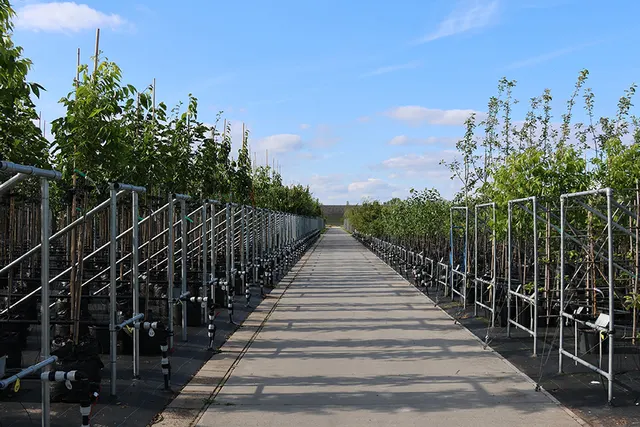
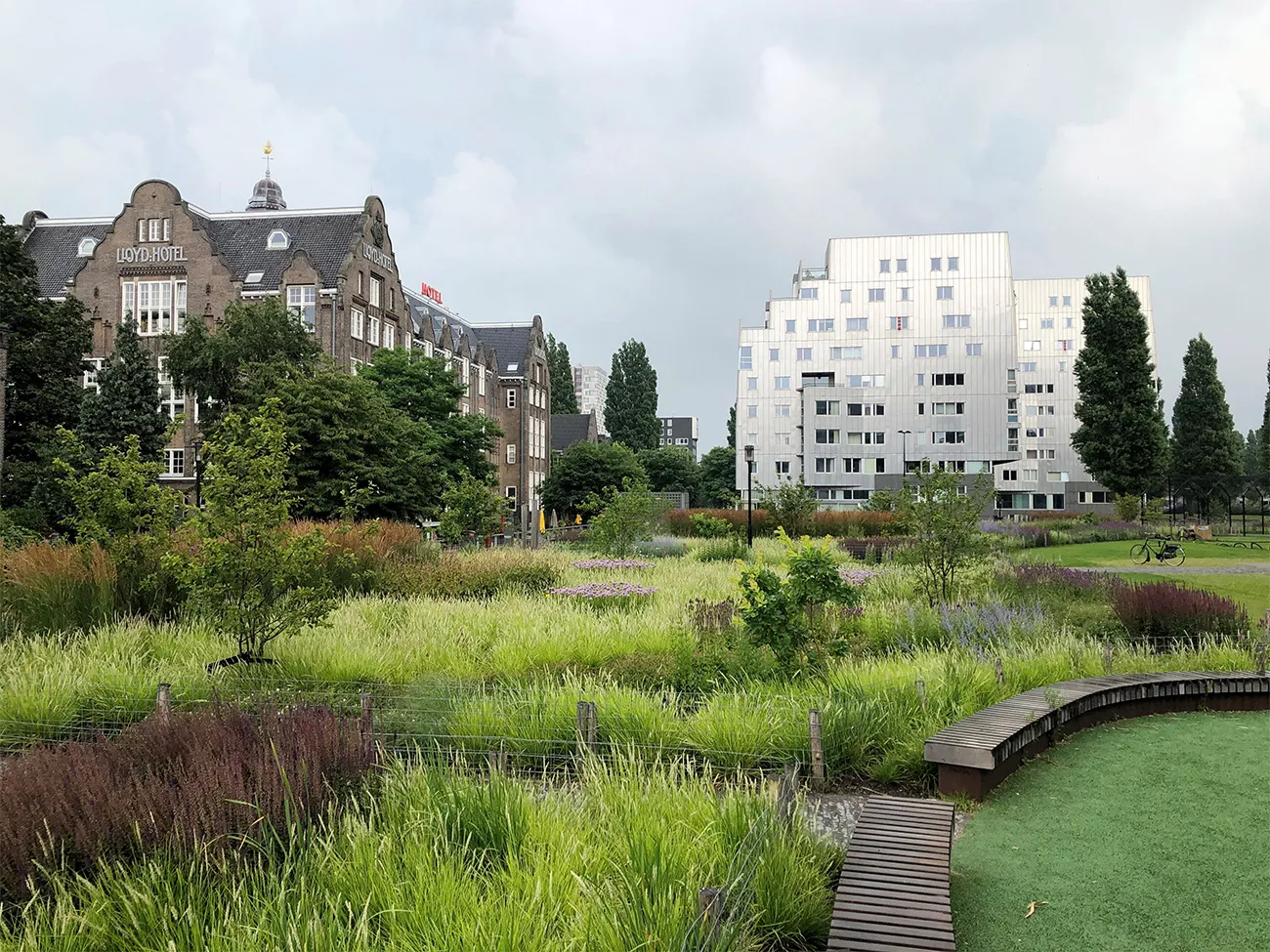
“The aim of this project is not only for MBI to take greater responsibility in our role, but also to launch an initiative that brings us together with other leading organisations to develop effective, attractive solutions. “There is so much knowledge in the market, but it also needs to be brought together in practice. Take trees, for example: they are the city’s natural air conditioning. By adapting the paving and other elements around them, you can ensure that their roots have enough room to develop and that the trees receive enough water. There are many more creative solutions we could come up with than we are currently using.”
The initiative is currently being led entirely by MBI. “There has been some discussion of different products. Developments will undoubtedly emerge that other suppliers can join. Our goal is to put the entire issue of outdoor space more firmly on the map. At present, every manufacturer explores sustainability at product level. But ultimately, we all face the challenge of tackling climate change. So we too need to look beyond what we are doing now.”
Innovation
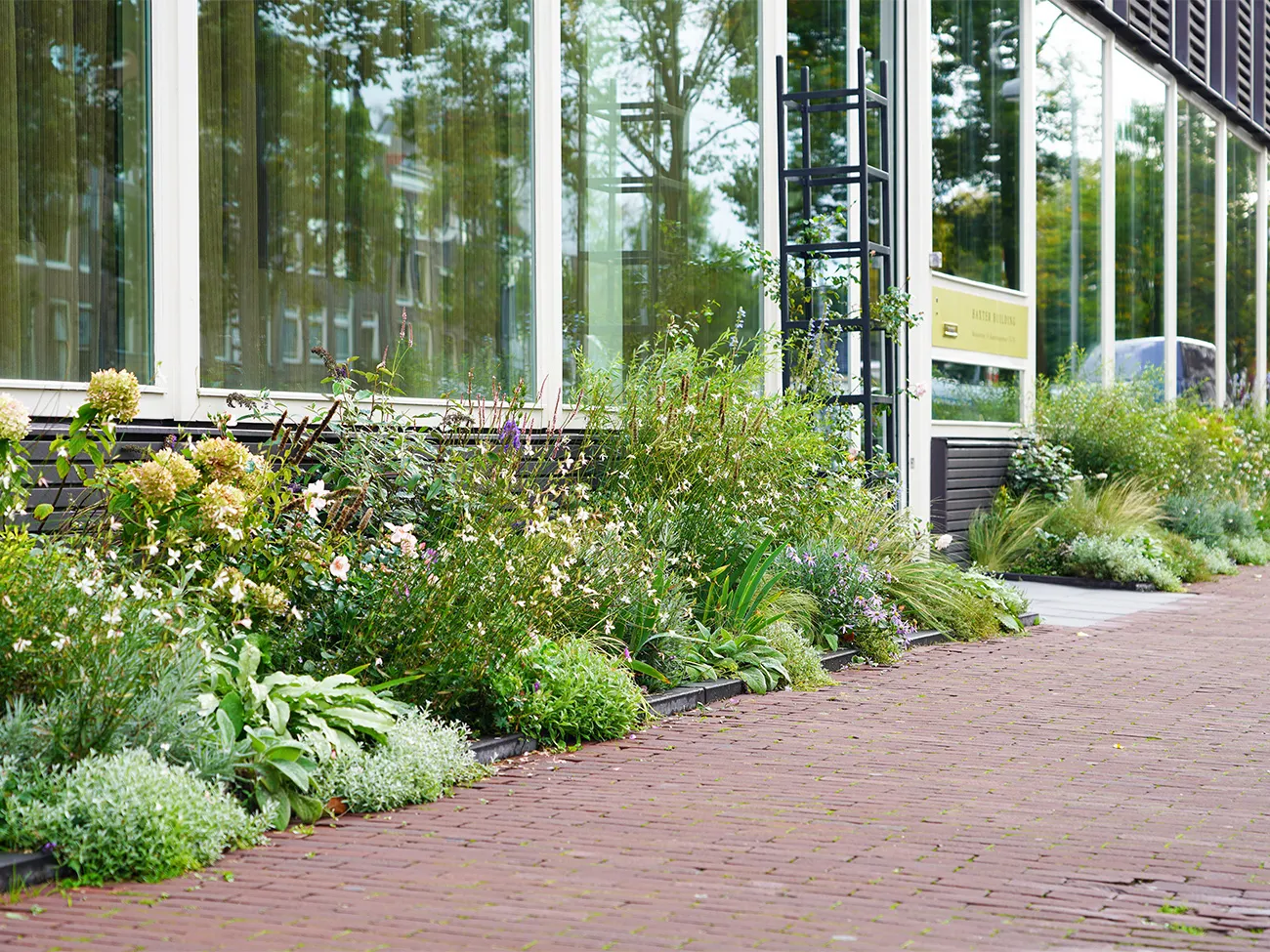
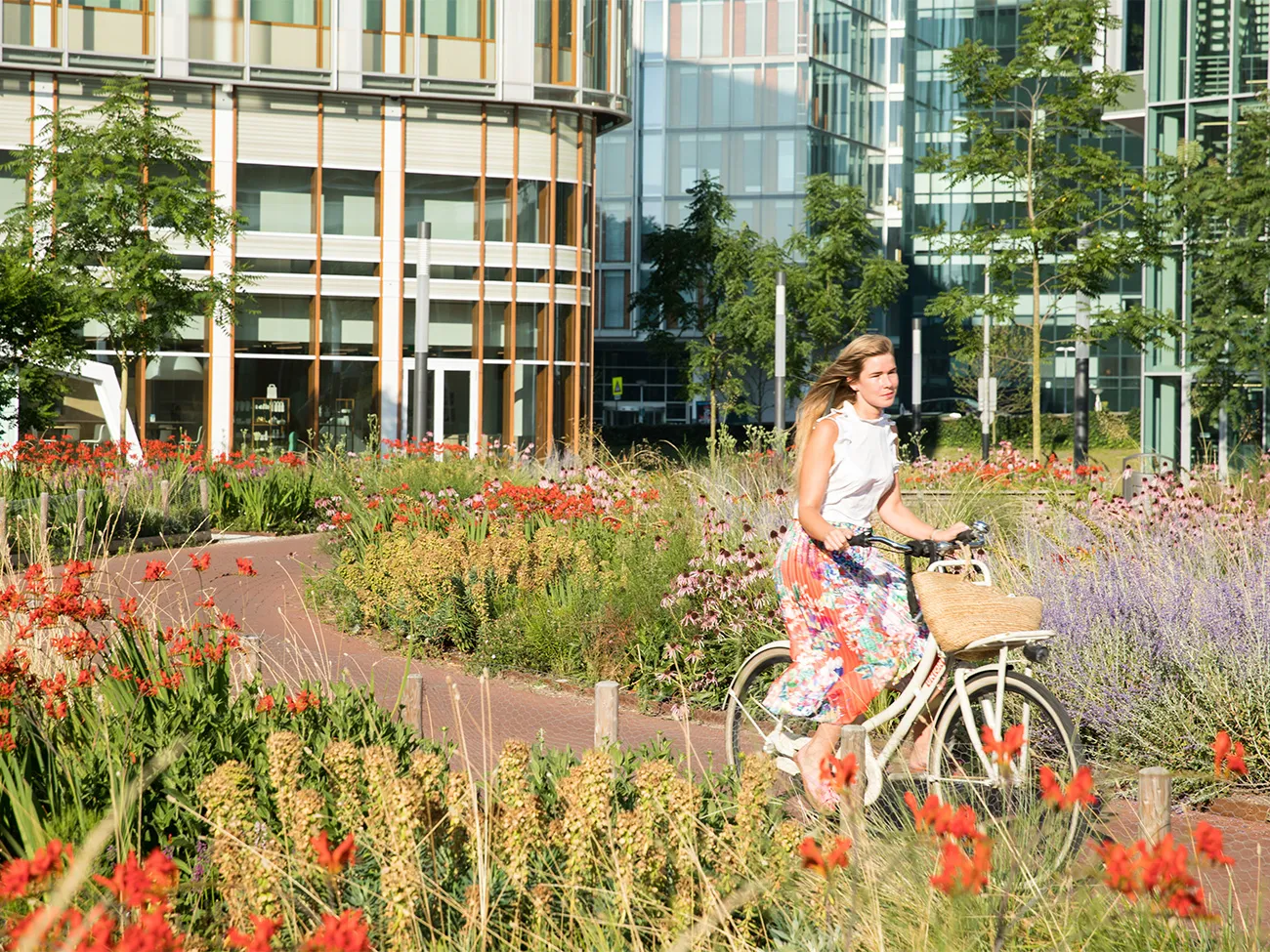
Rosman is convinced that many different companies could join the City Health concept. These might include suppliers of soil substrates, herb mixtures, water storage systems, drainage systems, green façade systems and tree nurseries. “Creating a healthy city is something we need to do together. It is important to show what can be achieved by combining paving or other hard surfaces with water and greenery, and how this can inspire innovation for your business and the living environment.” MBI has already come up with some great ideas of its own. For example, how can wadis be used for more than simply storing water? “Our architect, for instance, suggested adding stepping stones. This means the space can be used as a play area for children both when the wadi is full and when it is empty.
That turns it into an enjoyable play area in a residential neighbourhood. And there are many other ways to bring water into the living environment.”
Less cement
There are plenty of ideas. Naturally, MBI is also continuing to make its own products more sustainable. For example, when producing paving, the company is looking at ways to use less cement, as this material has a high CO2 footprint. “That is quite difficult. If you want to turn aggregate into a solid stone, you need an activator, and cement is one such activator. Our research centre has found that when cement is used in a standard mix, some of it is always left inactive. We can replace that with other additives that make more efficient use of the cement, meaning less is needed. This gives you a stone with a much lower CO2 footprint. We are also looking at using other activators, but they all have their pros and cons. They may have a lower CO2 footprint, for example, but could release more aggressive substances into the environment. The most important thing for the future is that stones remain circular, with nothing added that would prevent them from being so. Adding scarce raw materials is not an effective long-term solution either. This is high on MBI’s internal agenda.”
Een zakelijke vraag aan MBI De Steenmeesters? Get in touch
Companies in this story

Keep following this
Get an email when a new story is published. No account needed.
- SubjectSustainability
- CompanyMBI De Steenmeesters