Transitioning to climate-resilient businesses on business and industrial parks
Text and images Dolmans Group
Navigating dilemmas
In an era defined by the urgent need for climate adaptation, businesses are at a crucial point. The need to transition to climate-conscious operations and site layouts is more urgent than ever, bringing unique challenges for business and industrial parks. How can they integrate the valuable dimension of responsible climate adaptation into their business and processes?
1. Balancing profitability and sustainability:
At the top of the list of challenges facing business owners is the delicate balance between profitability and sustainability. While adopting environmentally friendly practices can deliver climate benefits in the long term, the transition often comes with immediate financial pressure. Investments in renewable energy, climate-conscious site design and sustainable supply chains can stretch budgets, creating a dilemma for owners who must weigh short-term costs against potential benefits that mainly pay off in the long term.
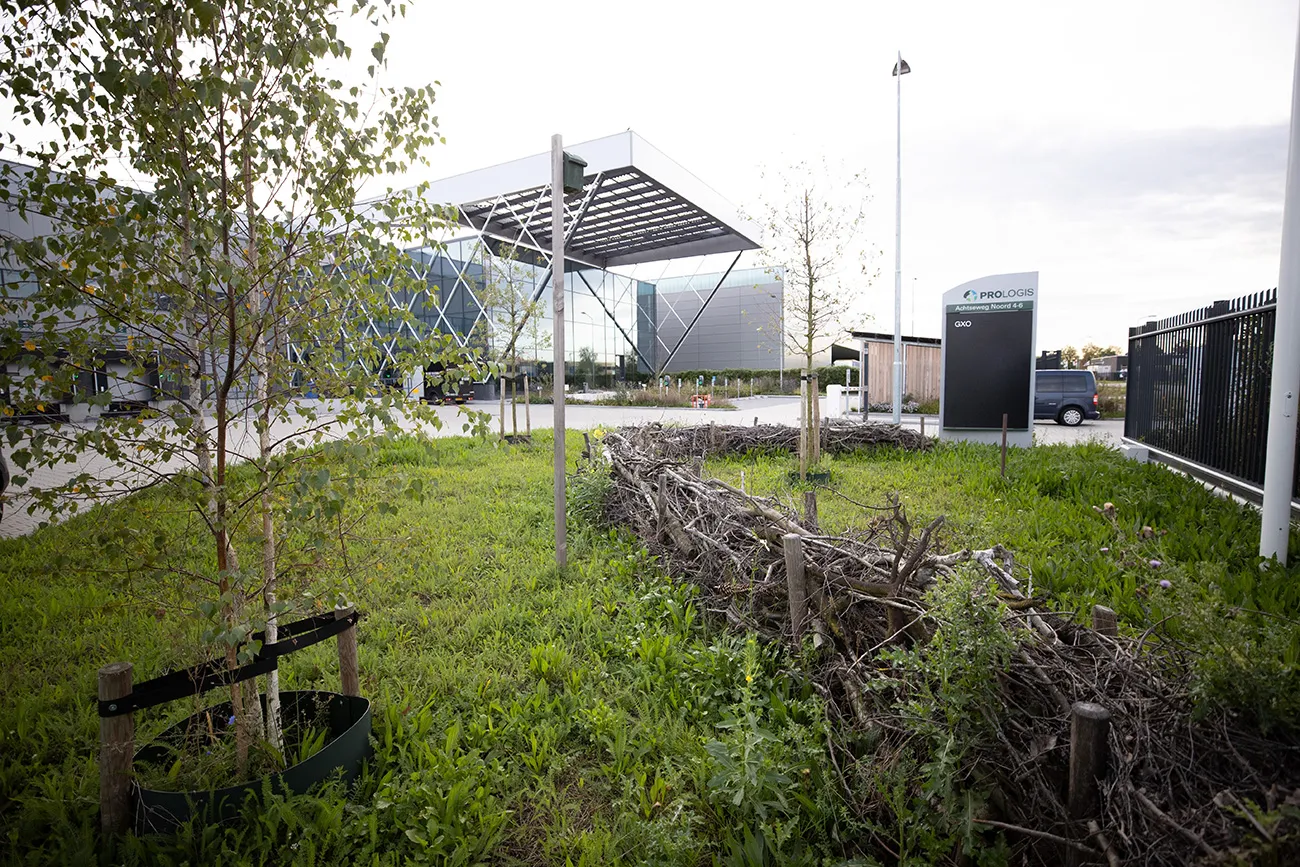
Businesses need to thoroughly assess the return on investment for sustainable initiatives. Finding ways to align environmental responsibility with financial viability is essential. While implementing green technologies may initially increase costs, potential cost savings, an improved brand reputation and resilience to future regulatory changes can make the transition financially rewarding in the long term.
Furthermore, a strategic approach means integrating sustainability into the overall business strategy rather than treating it as a separate entity. This means seeing sustainability as an opportunity for innovation, operational efficiency and increased competitiveness in the market. Forward-thinking owners recognise that sustainable practices can contribute to long-term profitability by reducing resource consumption, minimising waste and appealing to an increasingly environmentally conscious consumer base.
2. Regulatory compliance and legal uncertainty:
The rapidly evolving landscape of environmental regulation presents another major challenge for owners of business and industrial parks. Navigating the complex and dynamic regulatory frameworks governing emissions, waste management and sustainable practices can be a daunting task. Business owners may face dilemmas in understanding and complying with these regulations while maintaining their competitive position in the market.
To address this challenge, it is essential for owners to stay informed about current and future environmental policies. Working with regulatory authorities, trade associations and sustainability experts can help businesses anticipate changes and adapt their strategies accordingly. Proactively incorporating sustainability measures into their operations can help businesses reduce legal uncertainty and position themselves as leaders in compliance.
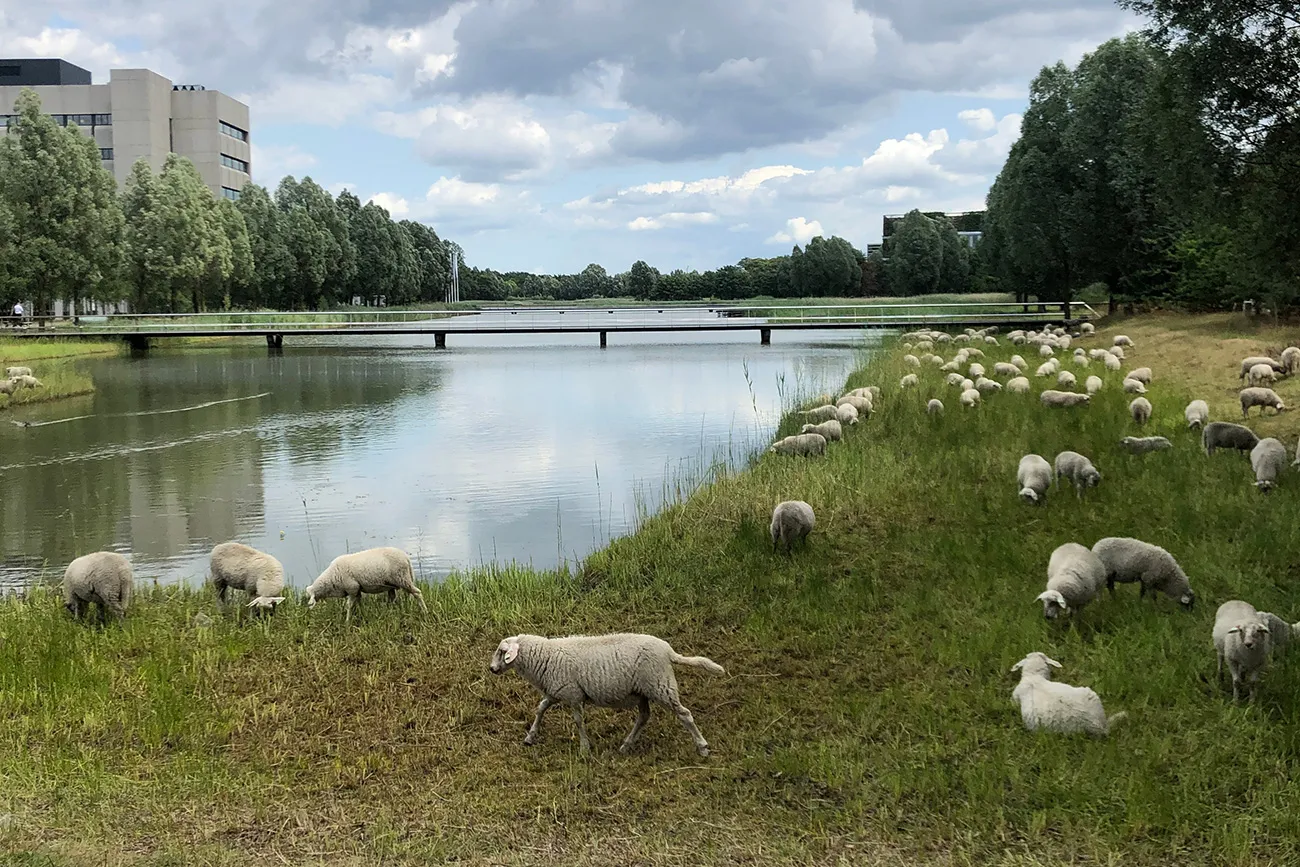
Furthermore, owners must recognise that embracing sustainability is not only a legal requirement, but also a strategic advantage. Businesses that proactively adopt sustainable practices position themselves as responsible corporate citizens, reducing the risk of legal penalties and negative public perception. By meeting or even exceeding legal standards, businesses can demonstrate their commitment to environmental stewardship and gain a competitive edge in an increasingly environmentally conscious market.
3. Engaging stakeholders and building a sustainable culture:
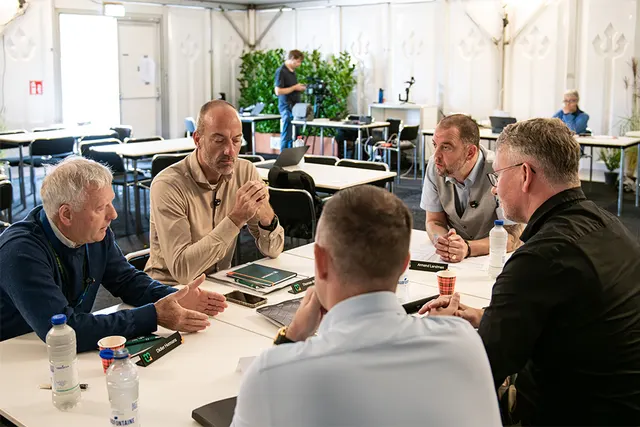
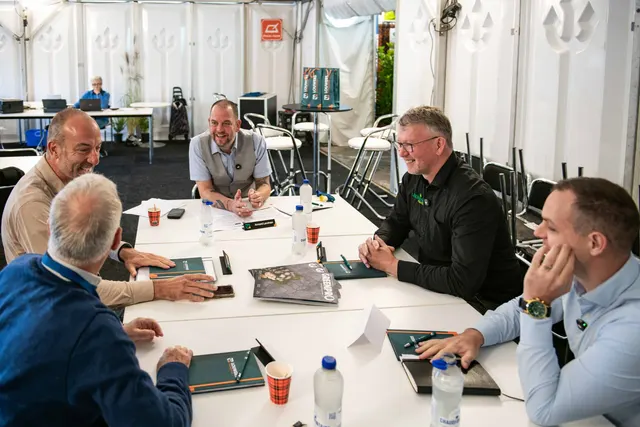
The transition to a climate-adapted business requires a cultural shift that permeates every level of the organisation. Engaging employees, suppliers and other stakeholders in the journey towards sustainability is a key dilemma for owners of business and industrial parks. Resistance to change, a lack of awareness and the need for training can pose significant obstacles.
Owners should invest in comprehensive communications and training programmes to foster a sustainability-conscious culture within their businesses. Demonstrating the benefits of the transition, both for the environment and for the business, is crucial to gaining the support of all stakeholders. By actively involving employees and partners in sustainability initiatives, owners can foster a shared sense of responsibility and commitment to the cause.
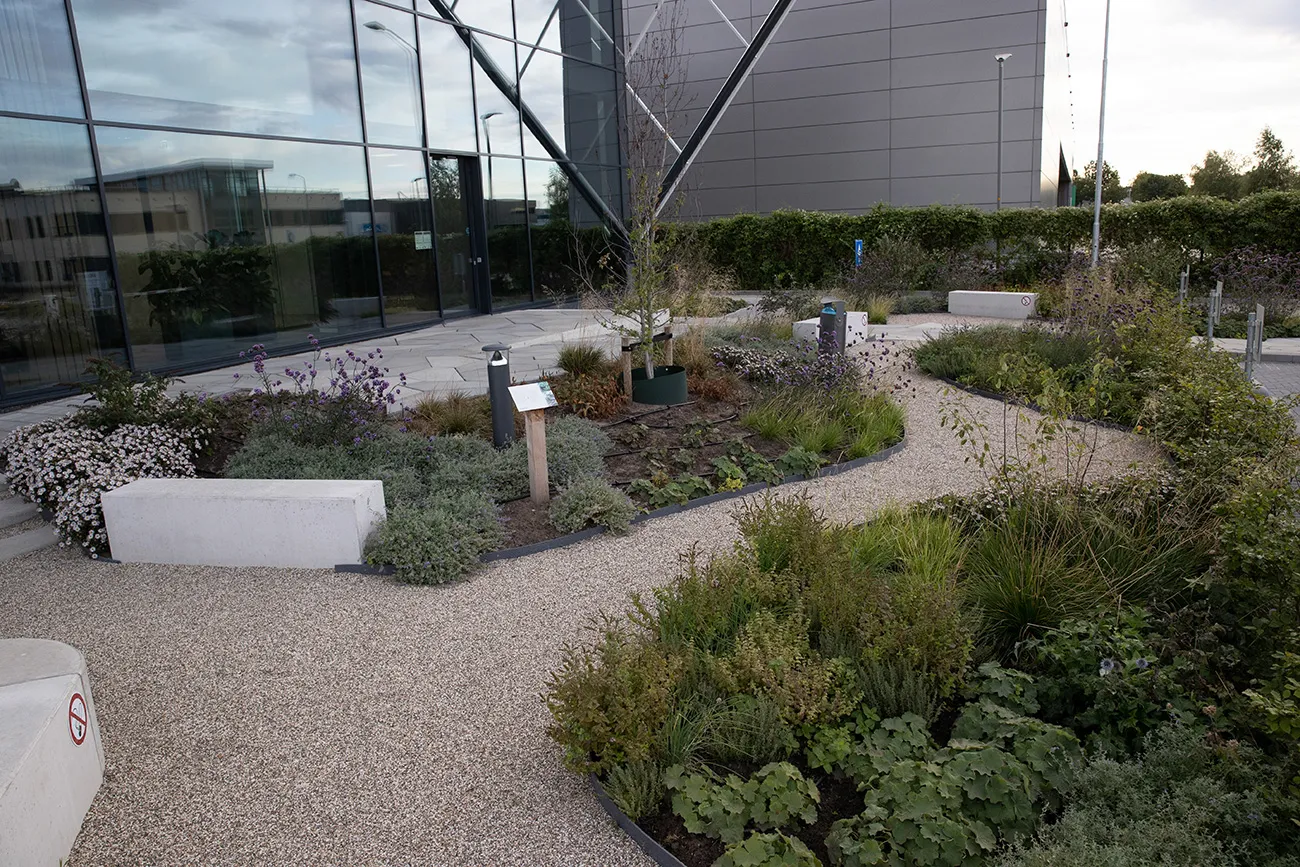
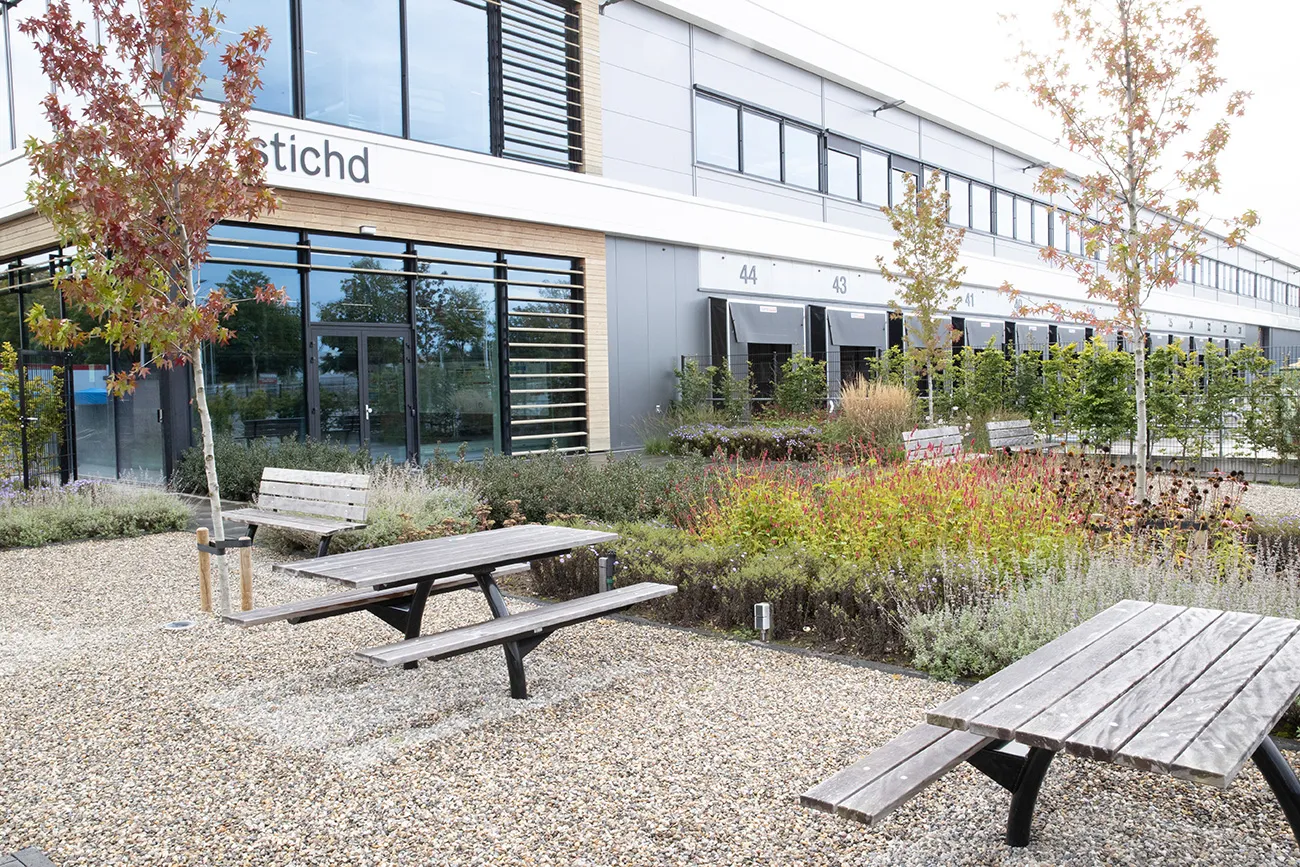
Outdoor spaces can also be designed to promote sustainability awareness. Interpretive signage, educational installations and strategically placed green spaces can serve as educational tools, communicating the park’s commitment to climate adaptation to both employees and visitors. By working closely with landscaping companies, business owners can create outdoor environments that embody and reinforce the values of sustainability.
Supply chain resilience and green procurement:
Businesses on industrial parks often depend on complex supply chains that can span different regions and industries. Integrating sustainability into these supply chains is a complex dilemma for owners. Green procurement, or sourcing raw materials and components with minimal environmental impact, presents challenges in terms of cost, availability and quality.
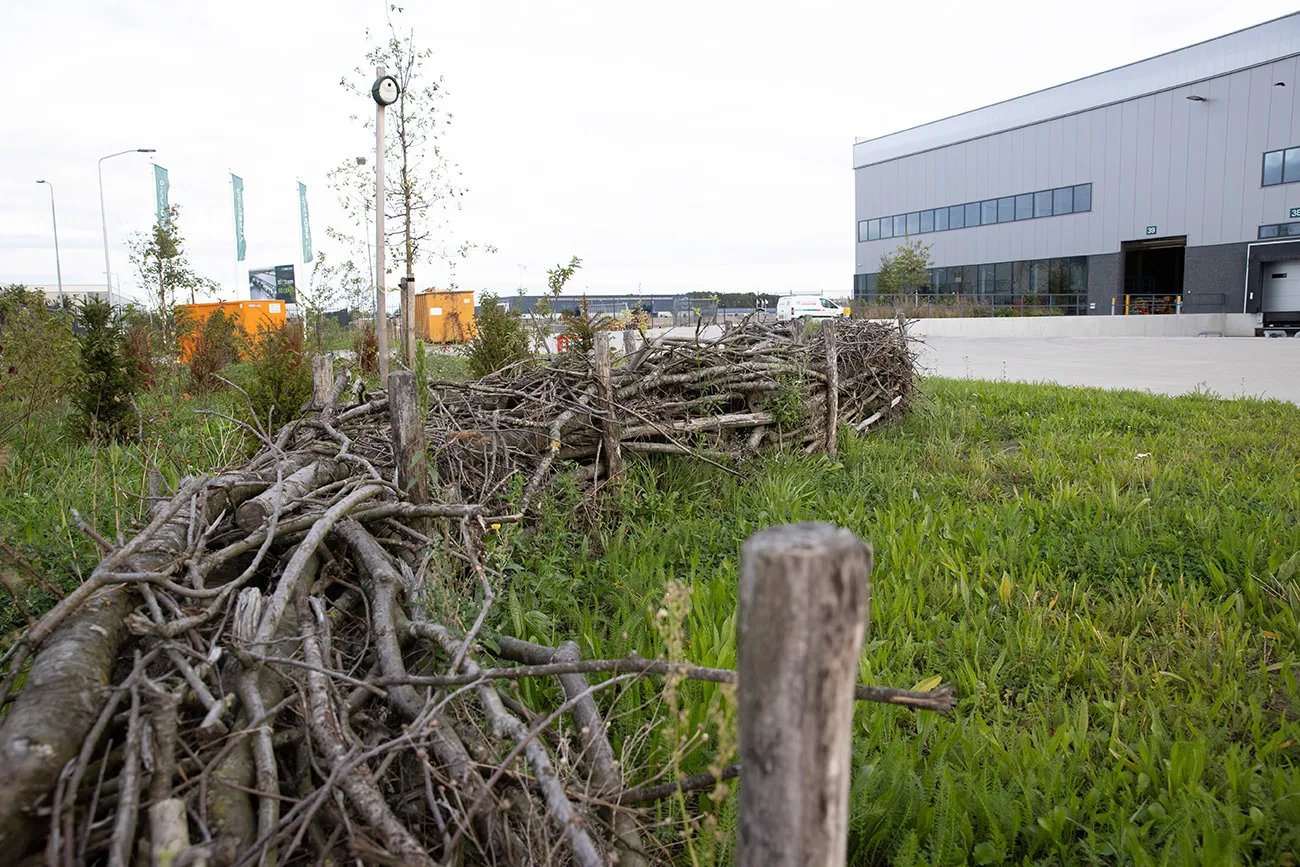
Working with owners, landscape contractors can contribute to sustainable supply chain practices by sourcing environmentally friendly landscaping materials. From selecting organic fertilisers to using recycled hardscape materials, landscape professionals can guide owners in making environmentally responsible choices throughout the landscaping supply chain.
Furthermore, sustainable landscaping practices extend to the responsible management of waste generated during landscaping activities. Implementing composting programmes and recycling initiatives, and minimising the use of harmful chemicals, align with the supply chain’s broader sustainability goals. By integrating sustainable landscaping into the overall supply chain strategy, owners can demonstrate a holistic commitment to environmental responsibility.
Investment in technology and innovation:
Embracing the latest technologies is an important part of the transition to climate-resilient businesses. However, owners face dilemmas when choosing which technologies to invest in, taking into account factors such as compatibility with existing infrastructure, scalability and overall feasibility.
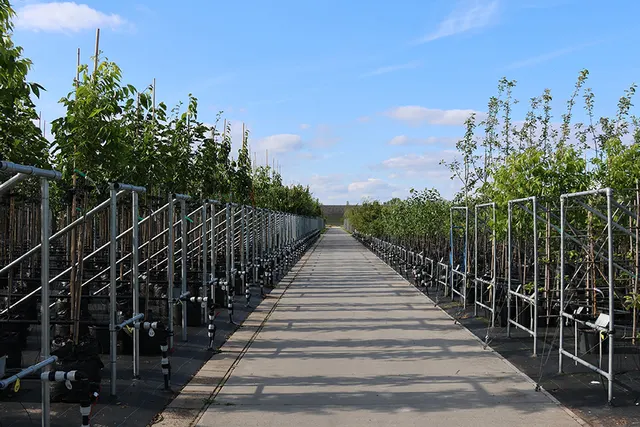
Landscape contractors can contribute to technological innovation by integrating smart technologies into outdoor spaces. Automated irrigation systems, sensor-based monitoring to optimise plant health and energy-efficient outdoor lighting are examples of how technology can improve the sustainability of landscaping practices. Working with landscape specialists ensures that technological investments align with both aesthetic and ecological objectives.
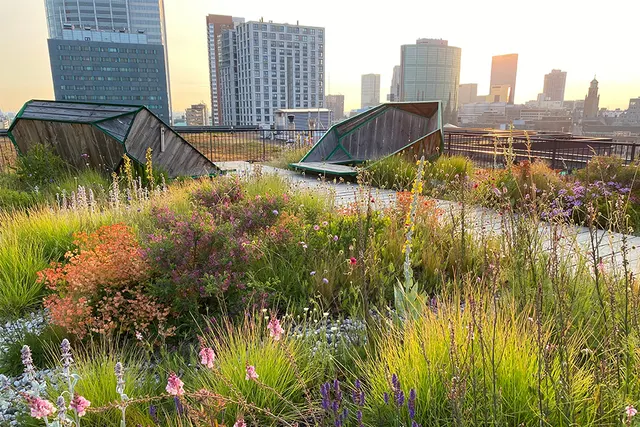
Furthermore, landscaping companies can act as innovation partners by researching and implementing sustainable green techniques. These may include using permeable paving materials to reduce water run-off, integrating green roofs to improve energy efficiency, or implementing biodiversity-friendly landscape designs. By harnessing technology and innovation in landscape design, business and industrial parks can set new standards for sustainable urban development.
A necessary step
The dilemmas facing owners of business and industrial parks as they transition to climate-resilient businesses are numerous and complex. Balancing economic viability with environmental responsibility, dealing with regulatory uncertainty, fostering a sustainable culture and integrating green practices into supply chains and operations are major challenges. Landscaping companies play an integral role in this transition, contributing to the visual, cultural and ecological aspects of the industrial park.
By addressing these dilemmas with strategic foresight, collaborative partnerships and a commitment to sustainability, owners can position their businesses as pioneers in the transition to a more environmentally responsible and economically viable future. The journey towards climate adaptation may be challenging, but it is also a necessary step towards creating a sustainable and resilient business ecosystem for generations to come. The involvement of landscaping companies brings an added layer of expertise and creativity, enhancing the overall impact and success of the transition.
Question about this story? Ask your question
Keep following this
Get an email when a new story is published. No account needed.
- ThemeSoil and water in balance
- SubjectSustainability