









The dream of a nature-inclusive city also calls for sacrifices
Text Fleur DilImage NLAdviseurs
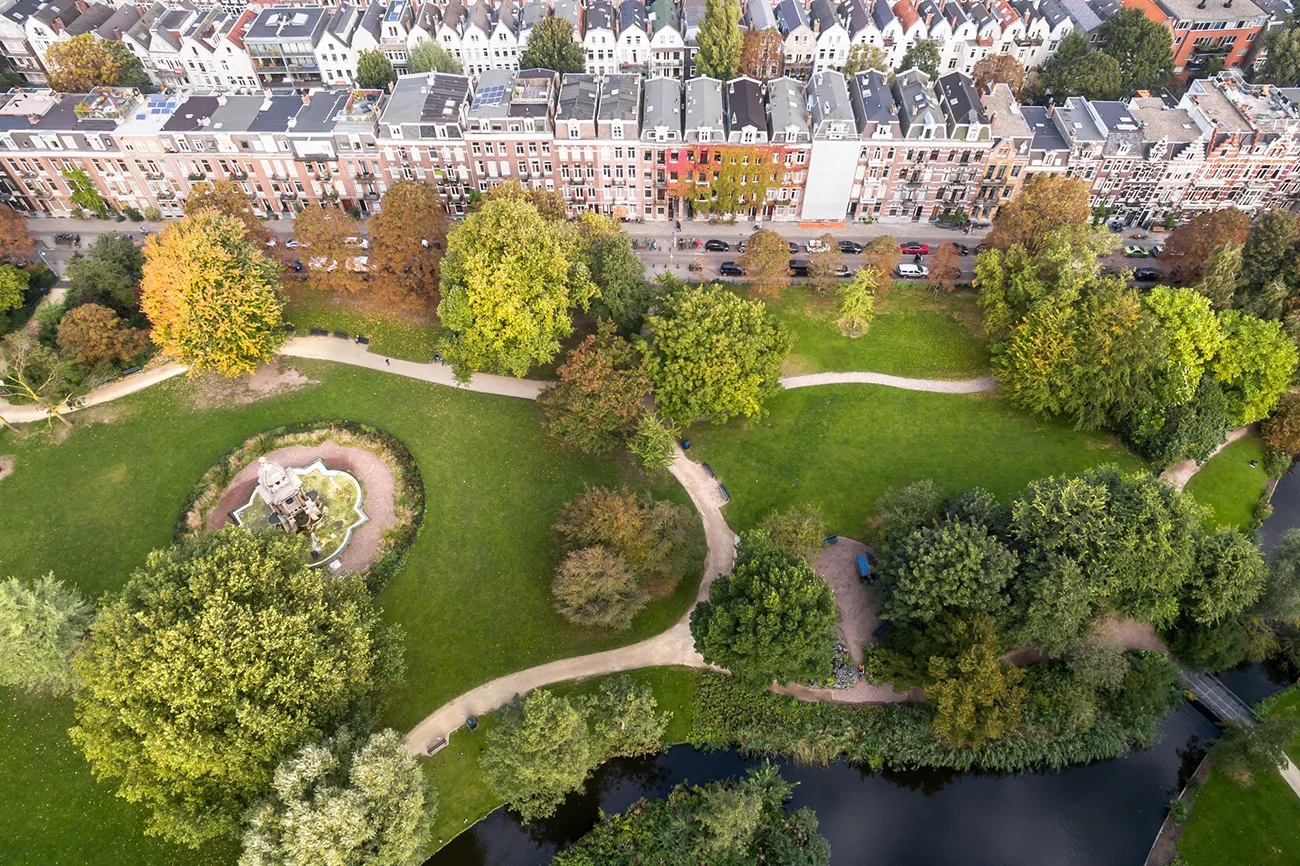
‘A new way of looking at living together calls for changes that can sometimes be a little painful’
Nature-inclusive development is about more than solving green challenges. Nature inclusivity also concerns us, says Guido Hamelink, adviser and co-founder of NLAdviseurs. The way we interact with one another and organise our lives largely determines the quality of our green surroundings. Using the nature-inclusive city as a vision of the future, Guido shows us how we can better integrate our natural environment into our lives and what that means for us in practical terms. Because let’s be honest, it can sometimes be a little painful. “This calls for a whole new way of looking at living together, one that requires people to make changes that can sometimes feel uncomfortable.”
A new perspective on living together begins with a new story. By telling different stories, we can show one another alternatives and create a new frame of reference. For Guido, the story of the nature-inclusive city goes something like this: “Imagine waking up in the morning to the fresh air and blossom of the cherry tree, with birdsong all around you. You make coffee, then step into the garden, the grass tickling your toes. Your garden flows seamlessly into the public realm, where there’s a car-free street and you can see children playing. You cycle with your children along the wide cycle path for part of their journey to school. Back home, you open the garden doors and get to work. At lunchtime, you pick a few tomatoes from the vegetable garden you tend with your neighbours.”
The city as an ecosystem
This story evokes utopian images, but also immediately exposes a few sticking points. What has happened to the car, and who is going to tend the vegetable garden? “A nature-inclusive city calls for a different urban design, but also for people to adapt. If we start seeing the city as an ecosystem, we will have to organise our lives differently, think locally and connect with a place. A shared vegetable garden needs to be maintained together. The car-free street is no longer maintained by the local authority, but becomes something you look after together. That can sometimes feel uncomfortable, but by taking an interest in your surroundings, you will also take better care of them.” These connections between people are crucial to developing an urban ecosystem, Guido believes.
Ecological principles
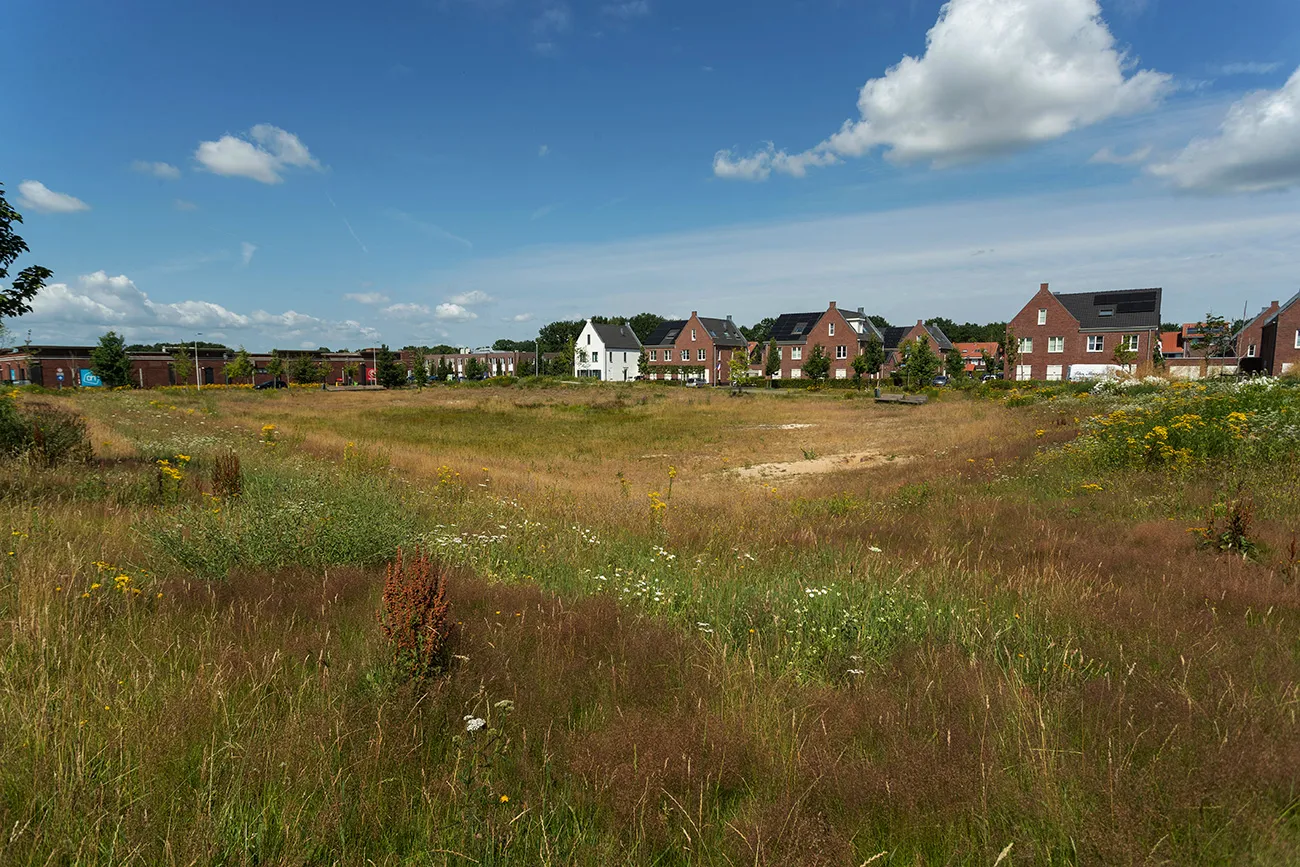
In an urban ecosystem, ecological principles are the starting point. Instead of shaping nature to suit us, we adapt to nature. Guido: “Ecology is the logic behind life. How do organisms live together, and how are they connected? With the nature-inclusive city as our starting point, green and blue networks form the framework. What do those connections look like from the inside out, and vice versa? You build on these networks with water links, herb-rich strips and rows of trees suited to the soil and the animals that live there, such as bats, hedgehogs and badgers. Depending on where you live, you need different elements to shape and organise the surroundings. A good example is the municipality of Nuenen’s vision for nature development in the built environment. Through the use of native planting, the municipality aims to make valuable landscape types visible in urban areas, including by creating alder hedgerows and oak avenues.” In that respect, the nature-inclusive city is already much more achievable than we think. “At policy level, we are seeing green and blue networks increasingly being incorporated.”
Another example of ecological nature management is Flevopark in Amsterdam. “Amsterdam’s parks were traditionally designed as natural backdrops. Over time, however, they have become home to all kinds of plant and animal species that are protected and/or highly valuable to biodiversity in the city, and that need space. The heron colony in Flevopark, for example, had to be preserved while events also needed to take place there. We looked at how these activities could go ahead without disturbing the colony too much.”
Plenty of space, actually
A nature-inclusive city is a wonderful vision, but it does require more space, which is in rather short supply in the Netherlands. Guido sees it differently. “Don’t underestimate the impact of using outdoor space differently. Repurposing parking spaces, sharing facilities that everyone needs and considering other ways of living, such as housing communities, can all make a difference. During the coronavirus pandemic, we saw that mass homeworking meant less office space was needed. If we can let go of our existing frames of reference, there is actually plenty of space.”
Mismatch
According to Guido, what are the biggest challenges when it comes to ecological nature management? “For me, it comes down to our expectations of outdoor space. What should it look like from an ecological perspective, and what do we want? Over the past decades, clean, tidy and safe has become the norm, but that is not always in the interests of a healthy ecosystem. That’s a mismatch. Organisations that matter in the green sector, such as landscaping companies and contractors, need to raise awareness. Staff need to be trained differently to manage outdoor space. Clients need to ask different questions. Ecological management must become the norm, not the exception.” Guido believes there is still a lot to learn in this respect. “In many areas, we need to work together to find new ways to design, manage and use outdoor space. The great thing about NL Greenlabel’s partner ecosystem is that we share the same outlook. We speak the same language of sustainability; we all want what is best for nature and ecology, and try to act accordingly.”
An extensive network
For NLAdviseurs, an extensive network of other ecological consultancies within NL Greenlabel provides an important foundation for sharing knowledge and experience of nature-inclusive living environments. These include Faunus Nature Creations, Unitura, VivaraPro, Naturio and NatuurGoed. The use of integrated methods such as NL Terreinlabel and NL Gebiedslabel also adds considerable value.
Question about this story? Ask your question
Companies in this story
Keep following this
Get an email when a new story is published. No account needed.
- SubjectGeneral
- CompanyNL Greenlabel







