









The ecological garden, a blessing for people and wildlife
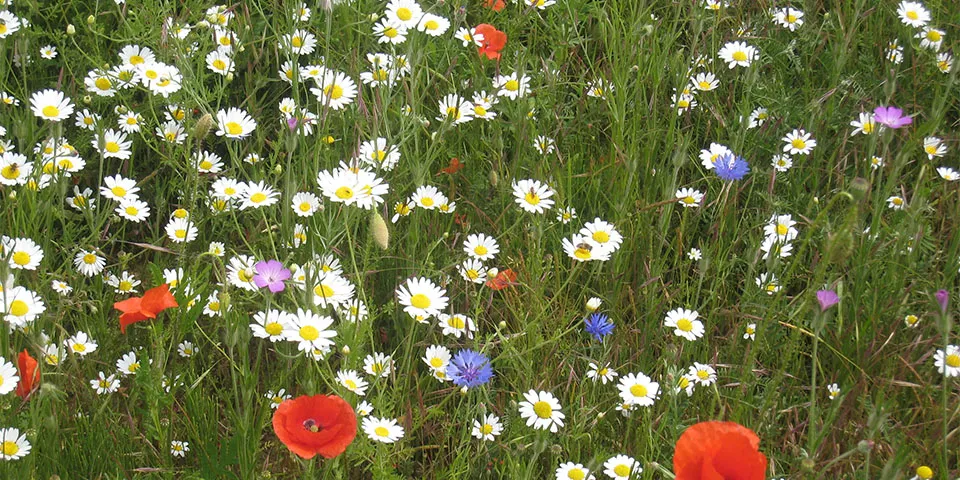
The principles of ecological gardening are being applied in an increasing number of private gardens and public green-space projects. An integral part of this is the use of native wild plant species. Ecoflora nursery in Halle has specialised for many years in growing these locally adapted, exceptionally resilient plants.
Ecoflora highlights the importance of native wild plants

Common poppy.
The right plant for every region
Native wild plants are plants that have grown in the wild in our country since the Ice Age. As a result, they are fully adapted to our climate and soil conditions. This group of plants includes a wide variety of species, including those best suited to specific regions.
Ecoflora, for example, offers plants that thrive in our coastal climate, with its often strong winds and high levels of salt in the air. Other plants do better in the sandy soils of the Kempen, or in the poor sandy and limestone soils of the Ardennes. Ecoflora’s specialists are happy to help you choose the right plant for the right location.
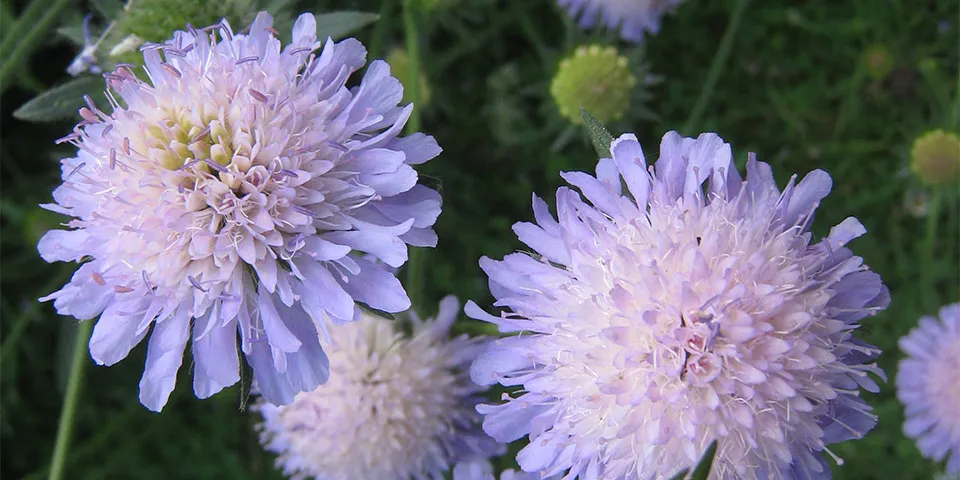
Field scabious in bloom.
Significantly greater resilience
The growing onslaught of diseases and pests, box tree moth and vine weevil among them, has painfully highlighted just how vulnerable exotic plants can be in our regions.
The benefits of native plants immediately come to the fore. They have had thousands of years to adapt to local soil conditions and climatic conditions. This has enabled them to develop exceptional resilience and vigour, making chemical pesticides unnecessary.
More biodiversity
One of the fundamental principles of ecological gardening is to work with nature, not against it. The aim is to create a habitat where biodiversity can flourish. For example, creating a pond or marsh habitat in the garden attracts animals such as frogs, newts and aquatic insects.
Ecoflora offers a carefully selected range of native wild plants that are particularly attractive to many specific animal species. The caterpillars of butterflies such as the orange-tip and green-veined white, for example, are irresistibly drawn to plants such as garlic mustard (Aliaria). Bees are also strongly attracted to it.
Monocultures are out of the question. A variety of plants encourages wildlife. More than that, nature is a chain in which every link matters. Breaking this chain can have disastrous consequences: removing a particular plant can cause a specific caterpillar to disappear, leaving birds with less food and preventing butterflies from emerging.
Native wild plants naturally give rise to a garden with optimal biodiversity. In other words, a spectacle that holds your interest in every season. It is therefore no surprise that so many Natuurpunt members are Ecoflora customers.

Welcome beneficial insects into the garden.
Tips and facts
Many native plants are threatened and/or protected, so do not simply take them from the wild. Nor should you disrupt natural ecosystems by sowing or planting wild plants in the wild. Wherever possible or appropriate, Ecoflora aims to offer plants of local origin. For example, it sells native shrubs bearing the ‘Plant van Hier’ label.
A common mistake in gardens is putting plants in the wrong place, which can lead to disease or poor growth. The Ecoflora plant list includes a number of important indications about suitable growing conditions.
Extensive range
Ecoflora’s catalogue of native and wild plants includes more than 600 species. Its wider range also includes climbers, shrubs and hedging plants, trees, native border plants and native hedge packs.
The range is rounded out with organic seeds, flower bulbs, wildflower meadows, pet products, ecological gardening products, tools and gifts. Also noteworthy is its range of beneficial insects for the natural control of harmful pests. These include lacewings, ladybirds, nematodes, predatory mites and parasitic wasps.
Ecoflora supplies private customers as well as professional landscapers, garden designers, green-space services and public authorities. Its products and in-depth expertise enable customers to create natural, wildlife-friendly gardens that put people and nature centre stage.
Question about this story? Ask your question
Keep following this
Get an email when a new story is published. No account needed.
- SubjectGeneral







