









The growing importance of green
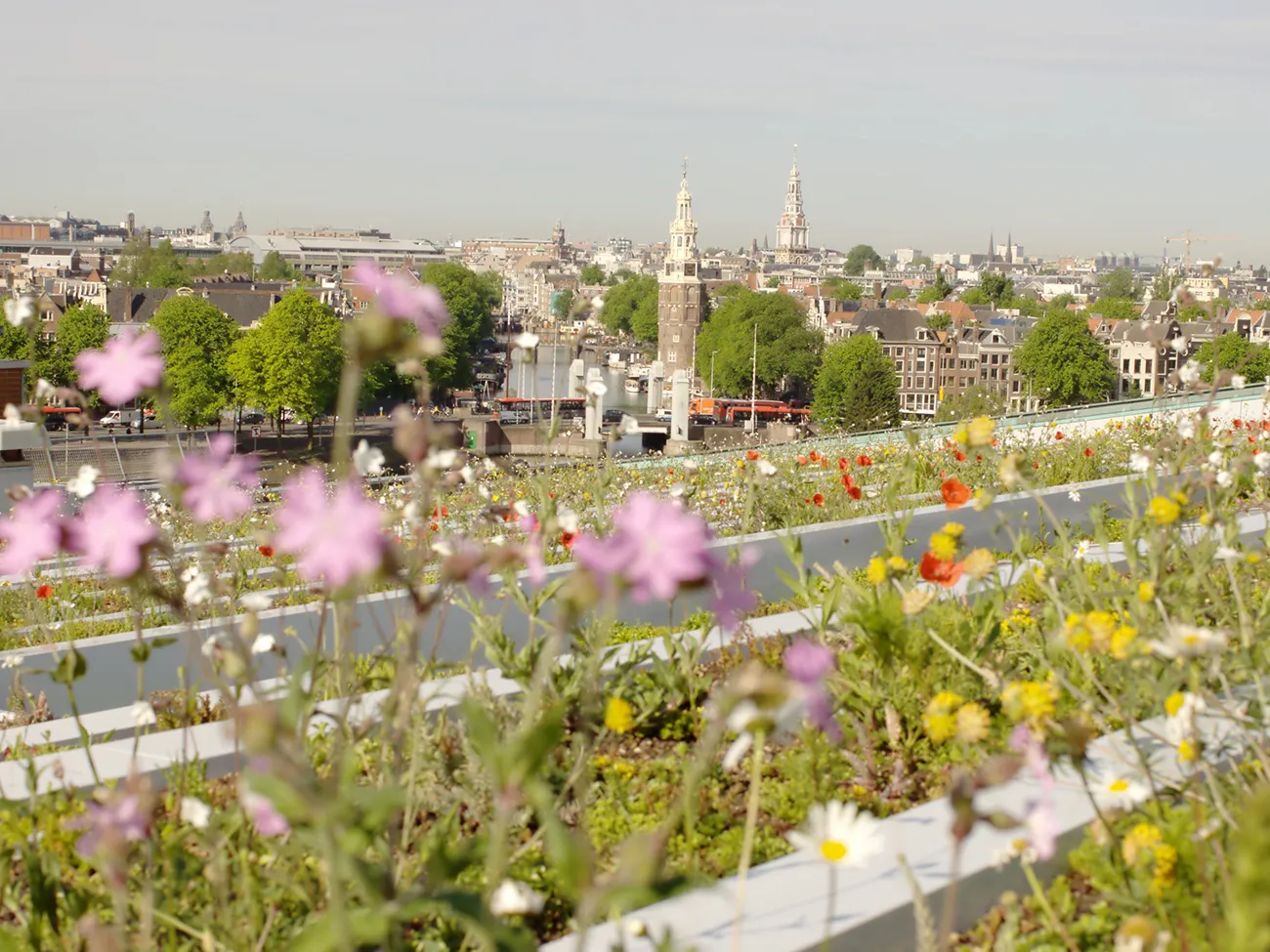
The word ‘green’ is increasingly used as a simple answer to complex social challenges. But this obscures the complexity and expertise needed to apply green solutions effectively. As pressure mounts to adapt to climate change, restore biodiversity and reduce resource consumption, the meaning of green continues to expand. This makes the task of our sector, giving living elements a place in the outdoor environment, more challenging and more rewarding. The Natuurpro network brings together landscape gardeners, ecological consultancies and landscape architects to deliver projects that meet the growing expectations of what ‘green’ means.
You can’t multiply without sharing
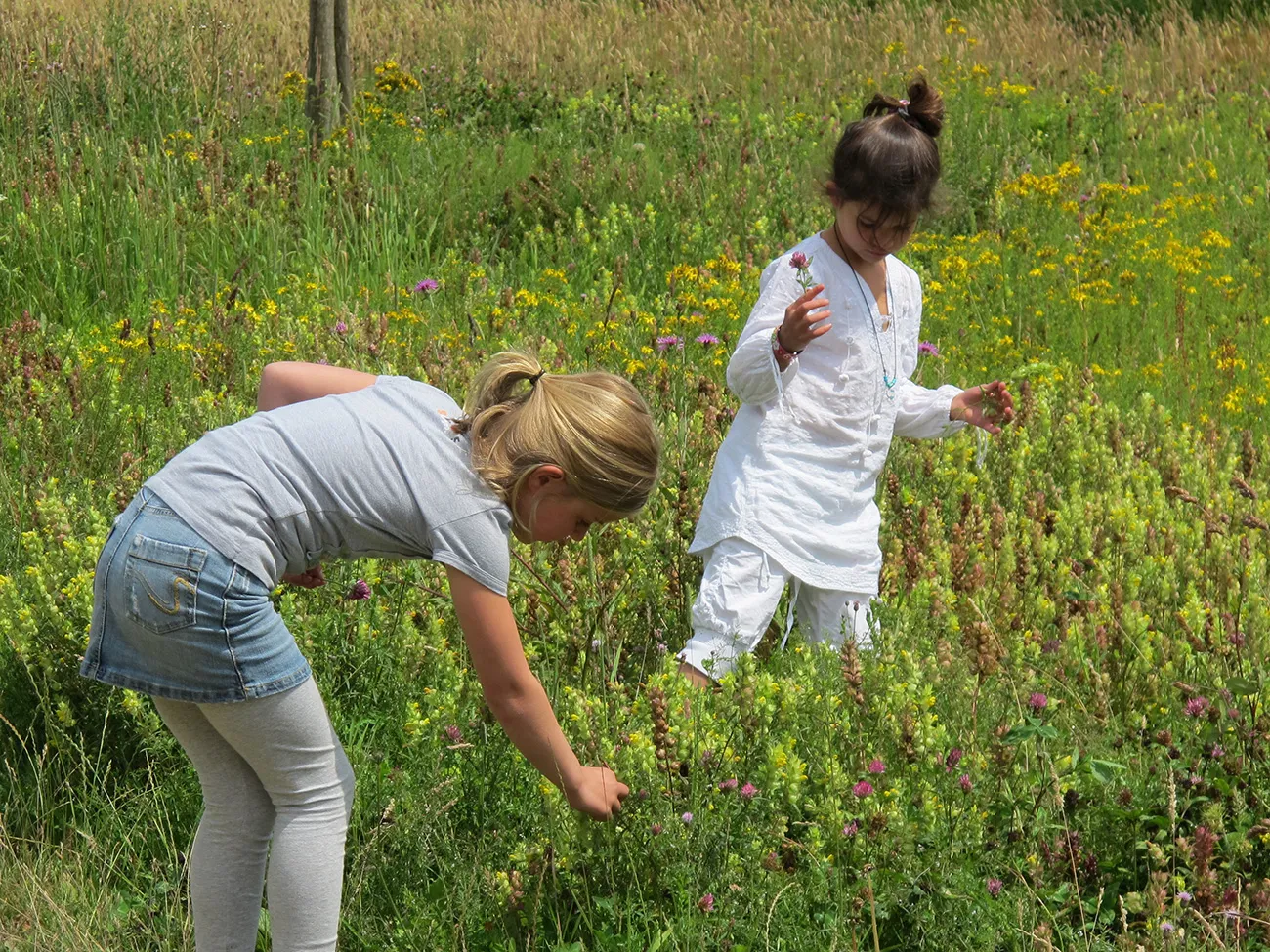
A social and economic shift is under way in the Netherlands, comparable to the growth of a plant. Scientific knowledge, successful businesses and projects, nature documentaries and social media are acting as pollinators, spreading greater awareness of nature. As a result, it is increasingly recognised that having and developing nature has not only ecological but also economic value. The roots of this idea are slowly taking hold across every foundation of the economy. Ideas are flourishing in a range of sectors. Landscape gardeners have been installing green roofs and façades with built-in climate adaptation and biodiversity measures for years. The construction and retail sectors are actively exploring the use of bio-based materials such as mycelium, elephant grass and cattail. Paper mills use roadside grass and sugar beet pulp as raw materials, while the 2021 Dutch Design Week in Eindhoven was full of ‘nature-based solutions’. In short, opportunities and developments abound. And yet, there is still plenty of room for improvement.
An integrated approach
Enthusiasm in the green sector is justified, but there is a greater need for an integrated approach. If green is applicable as a solution to a range of social challenges, why is it often used to tackle only one of them?

Healthy vegetation and healthy soil retain more water, which is essential given the expected increase in intense rainfall. But what plants should you choose for such vegetation, and why? Asking these questions opens the way to restoring biodiversity through the use of native herbaceous communities, woody plants and ecological management. And that is before considering the additional benefits of a natural living environment, such as improved mental health, encouraging physical activity and increasing property values. Finally, for an integrated approach to succeed, it is important to find a use for green waste streams. This means that ecosystem services are provided to people and animals at every stage of vegetation development.
Collaboration and competition
Meanwhile, many people are already familiar with the ideas described above. The real challenge lies in translating integrated thinking into an integrated approach. Acquiring all the knowledge and expertise needed to meet today’s demands for green space may be too much to ask of the average landscaping business. The Natuurpro network exists to recognise that collaboration and competition can coexist, just as they do in nature. Landscape architects, ecological consultancies and landscape gardeners pool their expertise to create outdoor spaces that meet requirements for climate resilience, biodiversity, sustainability and health. In this way, they are putting an integrated approach to green solutions into practice. After all, you can’t multiply without sharing.
Question about this story? Ask your question
Keep following this
Get an email when a new story is published. No account needed.
- SubjectGeneral







