









The quality mark for green professionals expands its assessment guidelines
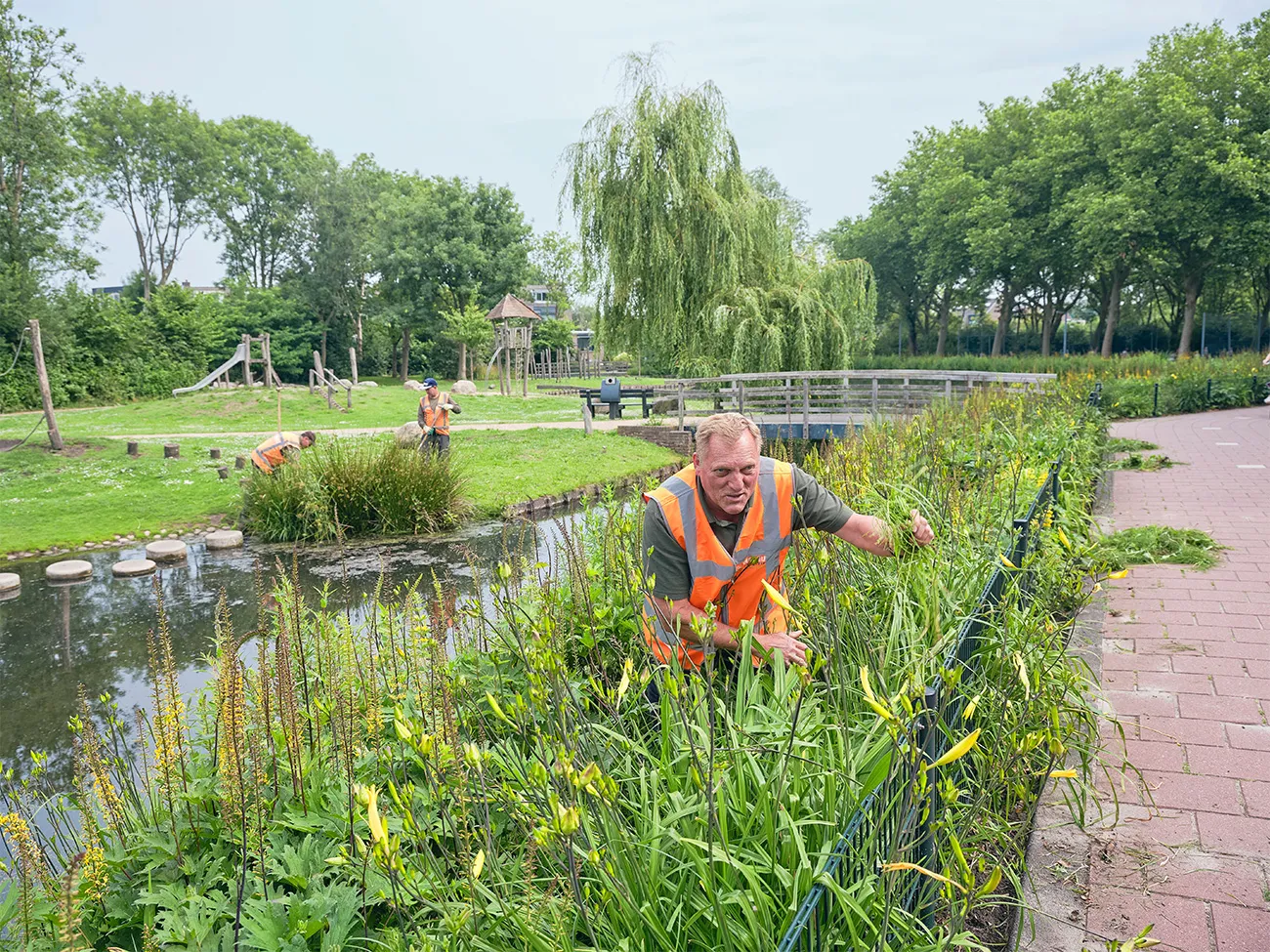
A Groenkeur certificate shows that a green professional meets an important standard for sustainability, quality and craftsmanship, both now and in the future. As the only independent quality mark for the green sector in the Netherlands, Groenkeur keeps up with the times, and the foundation is expanding its assessment guidelines for certification. Why is it doing this, and what does it mean for clients and contractors? Director Dick Oosthoek explains.
For 20 years, Stichting Groenkeur has been committed to improving quality in the green sector. A Groenkeur certificate benefits both clients and contractors, Dick explains. “Clients can rely on the quality of certified green professionals, while green businesses can stand out with a Groenkeur certificate. In recent years, sustainable and circular working practices have become increasingly important. It was time to respond to the market’s changing requirements for sustainable business practices.”
A Groenkeur certificate: how does it work?
Obtaining and retaining a Groenkeur certificate takes commitment. The administrative quality management system consists of standards and guidelines supported by the market and established by a board of experts. The quality marks are based on the international quality standard ISO9001, which focuses on customer satisfaction. “Participating companies meet clients’ requirements and are independently audited to verify this. As a company, you maintain a cycle of continuous quality improvement. You document processes and maintain staff records. Our auditors check that certified companies meet the requirements, including through unannounced inspections. A Groenkeur certificate creates structure, clarity and greater customer satisfaction. And ultimately, that’s what it’s all about.”
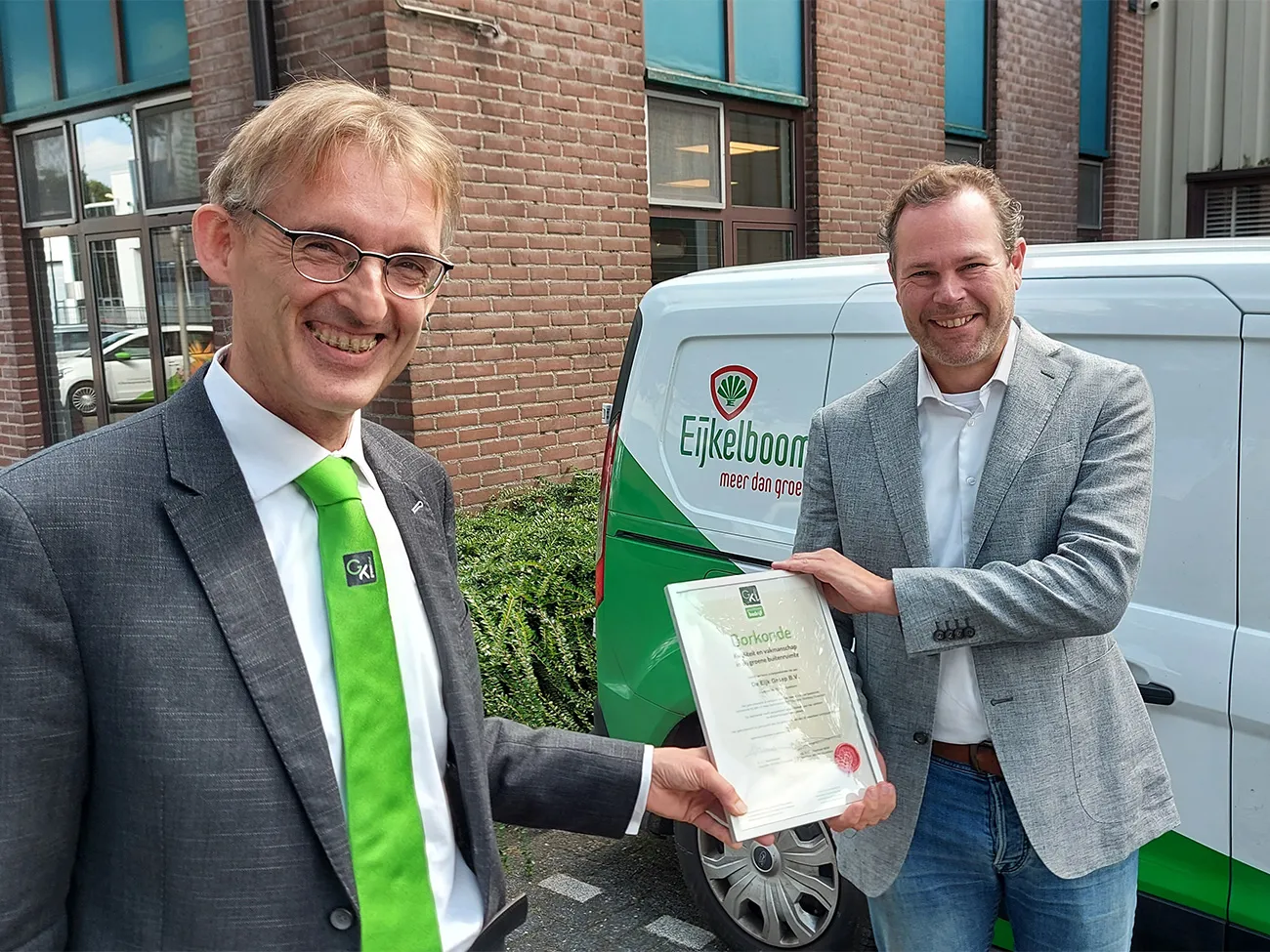
Sustainable business practices are increasingly important
In recent years, sustainable and circular working practices have received growing attention. Large companies and local authorities in particular have ambitious goals in this area. “The municipality of Amsterdam, for example, reuses paving bricks within the city and aims to work entirely electrically,” says Dick. “Another example is reusing wood from felled trees. Clients are also facing increasingly stringent requirements, including socially responsible procurement. We want to incorporate these new market requirements into the existing guidelines. The current guidelines already require every company to have a sustainability ambition, for example, but they do not specify how that ambition should be put into practice.”
Developing the new guidelines
By incorporating the market’s new requirements into the existing guidelines, companies will need to obtain fewer certificates. The new guidelines will apply to all participants, and Groenkeur is taking a careful approach. Groenkeur’s technical committees have now met to discuss the main principles of the new set of standards. The standards will align with the themes of climate, environment (including biodiversity) and circularity in the Dutch government’s National Plan for Socially Responsible Procurement 2021-2025. “Climate measures might include reducing CO2 emissions and adapting to climate change. The environment theme focuses on preventing pollution, while circular business practices place importance on retaining the value of raw materials.” In addition to climate, the environment, biodiversity, water and the efficient use of raw materials, there will certainly also be a focus on the sustainable deployment of the company’s own staff and social return.”
“We are working hard to develop the new guidelines over the coming year, helping to make greater awareness and knowledge of sustainable business practices the new standard.”
Question about this story? Ask your question
Keep following this
Get an email when a new story is published. No account needed.
- SubjectGeneral







