









‘The Register for a Sustainable Living Environment is a game changer’
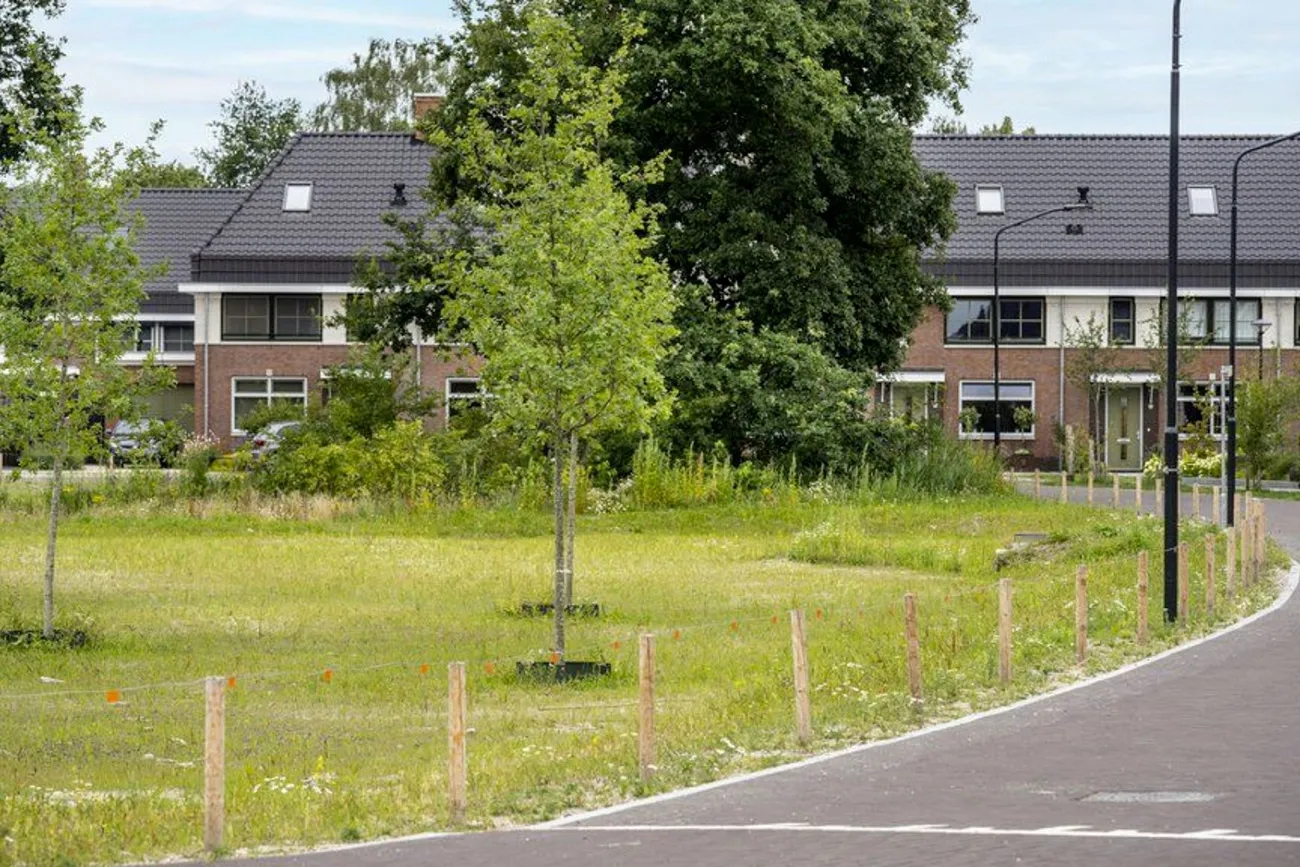
Since its founding in 2012, NL Greenlabel has already made a significant contribution to making the outdoor environment more sustainable. But there is still plenty to do, with NL Greenlabel’s mission in mind: to double the value of urban green space by 2030. Founders Nico Wissing and Lodewijk Hoekstra tell Greenpro that in 2023 they are going all in on the newly developed Register for a Sustainable Living Environment (RDL). Guus Wijfje, area developer at Heijmans, says: “The RDL system enables us to make the right choices at an early stage, leading to better designs.”
NL Greenlabel is going all in on the RDL system this year
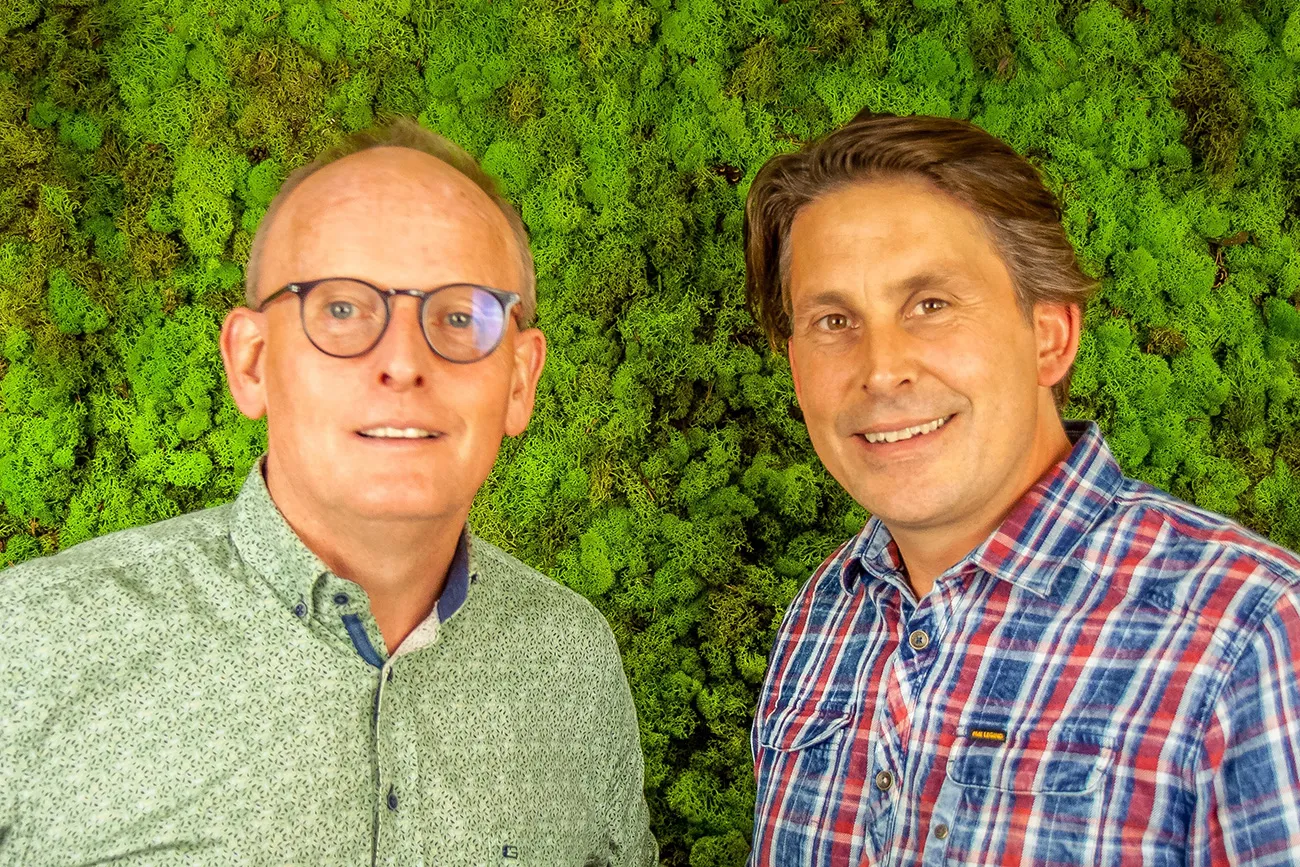
With its sustainability passports and labels for products, plants and materials, and its 180 partners, NL Greenlabel is an authority on enhancing the value of green space in the outdoor environment. The organisation is also a leader in its sustainability vision on nature-inclusive design and biodiversity, from design through to management and maintenance.
Sustainability from A to Z
Heijmans has been an NL Greenlabel partner for many years. Every level of the company is guided by an intrinsically motivated vision of sustainability. NL Greenlabel’s sustainability passports set the standard for Heijmans’ sustainability policy.
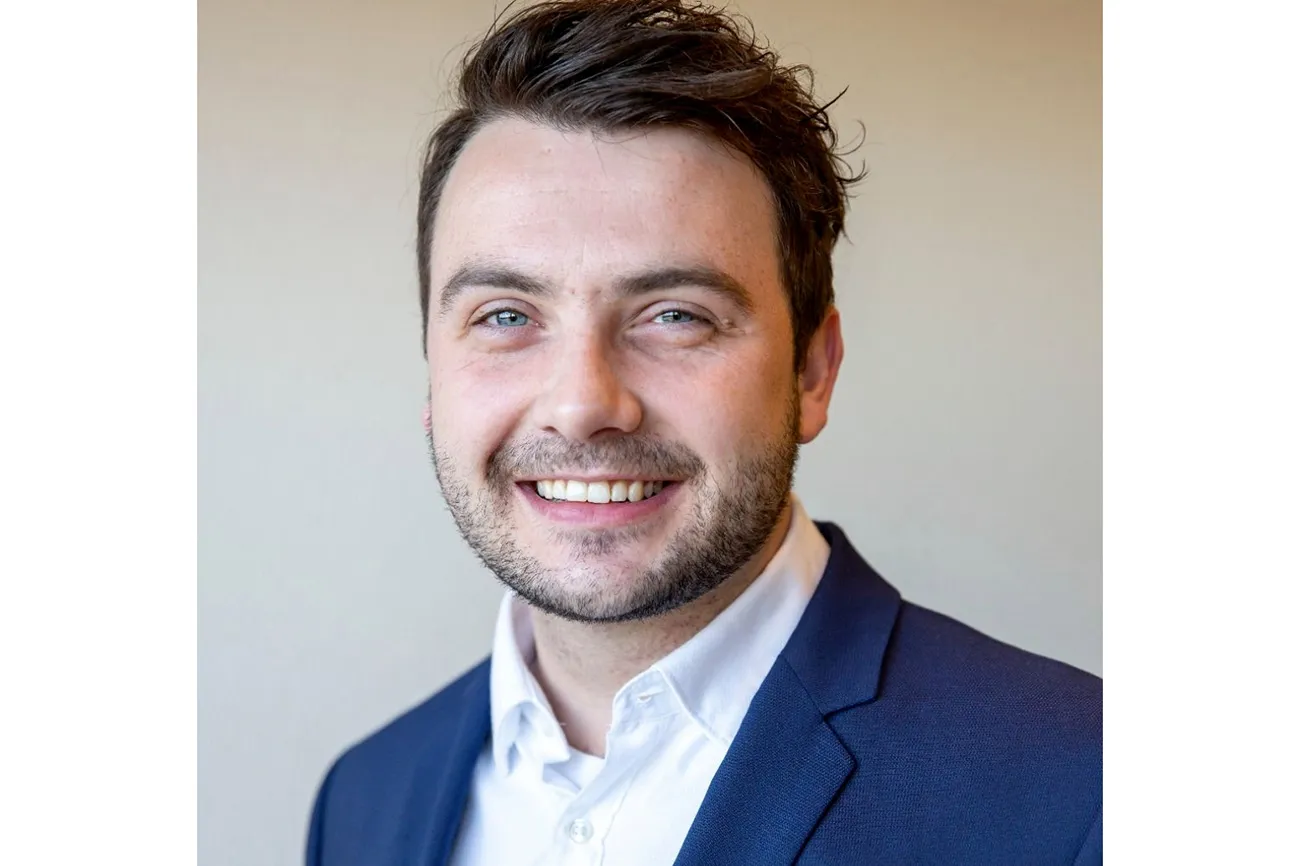
Guus Wijfje, an area developer and urban planner at Heijmans, specialises in climate-adaptive and nature-inclusive construction. ‘NL Greenlabel’s sustainability passports and labels are more than just tick-boxes for project handover: the NL Greenlabel system provides insight into the entire sustainability process,’ he says. ‘The system not only requires sustainability to be considered from A to Z, it also brings suppliers and project partners into the sustainability ambition. This makes NL Greenlabel genuinely distinctive compared with other labelling and certification organisations.’
The need for legislation and clear standards
NL Greenlabel founders Wissing and Hoekstra are proud of the impact NL Greenlabel has made on sustainability in the outdoor environment so far. At the same time, they are looking ahead.
‘Together with its partners, and often against the tide, NL Greenlabel has already achieved a great deal,’ says Hoekstra. ‘That deserves a huge amount of credit, because our work is challenging, to say the least. Yet as our sustainability mission progresses, we also see how many opportunities remain to be seized, despite the green momentum in a society that is becoming more environmentally conscious.’
Wissing agrees: ‘The urgency remains undiminished when it comes to biodiversity, climate, the environment and health. The quality of the living environment continues to decline. We have no choice but to become more sustainable if we are to live, work and make our homes in greater balance with nature. But this needs to be driven forward, for example through standards.’
Hoekstra adds: ‘Instead of doing “less harm”, companies should start doing “demonstrable good”, with maximum impact. That changes the whole dynamic of everything we do. NL Greenlabel sees that landowners already need clear norms and standards for making the outdoor environment more sustainable. But for now, these are lacking in the Netherlands!’
EU Taxonomy
At European level, sustainability standards are already being developed for larger entities such as banks, insurers and asset managers. These are set out in the EU Taxonomy assessment framework. Since last year, the EU has required large companies (more than 500 employees) to disclose information on their environmental performance. They must state what proportion of their turnover and investments is aligned with the EU Taxonomy.
Wissing explains: ‘The EU Taxonomy indicates whether investments are sustainable. Through this system, the EU aims to encourage companies to align their investments, production and services with the environmentally friendly economy (low-carbon, less harmful to the environment and richer in biodiversity) and climate-adaptive economy set out as objectives in the 2019 Green Deal.’
Some companies and institutions apply the EU Taxonomy voluntarily, but for sectors such as SMEs, the administrative burden is often still too high in proportion. In recent years, Wissing and Hoekstra had hoped that the Dutch government would respond to market demand by establishing norms and standards for sustainability in the outdoor environment. Hoekstra, clearly disappointed, says: ‘So far, the Dutch government has failed to grasp the nettle.’
Register for a Sustainable Living Environment
As a sustainability expert, NL Greenlabel has already taken up the challenge on behalf of landowners with sustainability ambitions. To this end, it launched the Register for a Sustainable Living Environment platform (RDL) on 31 October.
Wissing says: ‘Using the so-called NL Omgevingsscan, the RDL platform maps out the opportunities and risks of an outdoor site in terms of biodiversity, climate (adaptation) and health. These sites can be gardens and business parks, but also plots in public spaces. Landowners can include public authorities, as well as private individuals and companies, including property developers, banks, insurers and asset managers.’
NL Omgevingsscan: an inventory of opportunities and risks
Until now, calculating the environmental and financial costs and benefits of outdoor sites has been difficult. The NL Omgevingsscan makes this possible. NL Greenlabel developed the NL Omgevingsscan on the Tygron Platform, supplemented with in-depth tree data from Cobra Groeninzicht. Hoekstra explains: ‘The NL Omgevingsscan carries out a baseline assessment of biodiversity, heat stress, air quality and, among other things, water drainage into the ground. At the same time, this 3D scan analyses the site’s potential in these areas. The RDL links the analysis to recommendations. The NL Omgevingsscan enables landowners to take targeted action and monitor the quality of the outdoor environment.’
Data are vital to area development processes
NL Greenlabel partner Heijmans has welcomed the RDL platform with open arms. ‘Area development is a complex process. Data are essential for substantiating our sustainability ambitions and choices, both internally and with stakeholders,’ explains Guus Wijfje, area developer and urban planner. ‘That is why we are very pleased with NL Greenlabel’s development of the RDL system.’
Wijfje continues: ‘The great advantage of the RDL platform is that all the data are brought together in one place. Everyone with access to the RDL is therefore aware of a site’s key considerations and potential. As a result, fewer rounds of interpretation are needed in the design process, making it possible to develop a good design at an early stage.’
The digitalisation also excites Heijmans from an organisational perspective: ‘We are very hopeful that the RDL system will speed up the administrative process involved in obtaining sustainability passports.’ However, Wijfje emphasises that improving quality comes first. ‘Time and money matter, but the main benefit of the RDL system is that it leads to better plans.’
Taking the burden off the client
This spring, NL Greenlabel plans to expand the service further. The focus in 2023 is very much on seeking collaboration with other parties. Hoekstra and Wissing are fully committed. ‘The lack of norms and standards from the government gives NL Greenlabel the opportunity to set the standard itself,’ Hoekstra concludes. ‘We have a feeling the RDL is going to be big, and that a lot
will happen with it this year.’
They both conclude: ‘We will do everything we can to make things easier for ambitious landowners, especially with NL Greenlabel’s mission in mind: to double the value of urban green space by 2030.’
A business enquiry for NL Greenlabel? Get in touch
Companies in this story
Keep following this
Get an email when a new story is published. No account needed.
- SubjectGeneral
- CompanyNL Greenlabel







