









Tree diseases: avoid overreacting, but act with care
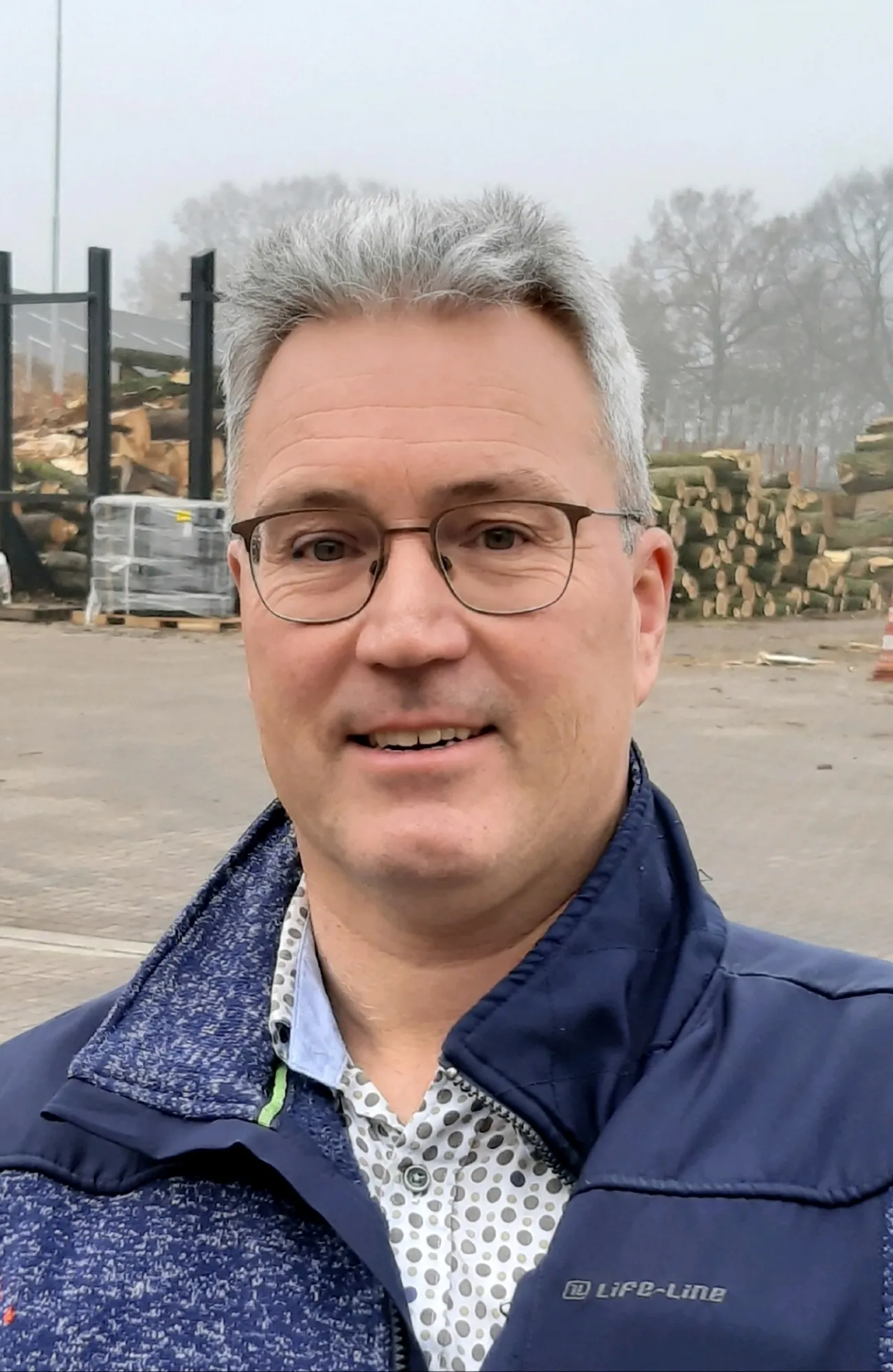
Seven years of plenty, seven years of famine. Kees Weijtmans of Boomrooierij Weijtmans takes inspiration from this biblical expression about the cycles of nature to stay calm when it comes to tree diseases. “Tree diseases will always be with us. Sometimes they rage fiercely, but after a while the pressure subsides. The main thing is not to panic and immediately decimate your tree stock. Think carefully about which trees to retain and which to remove. And if you do remove them, do so with the utmost care. This is particularly important for certain tree diseases, such as Dutch elm disease and sooty bark disease.”
Kees Weijtmans: ‘Quality and diversity prevent a lot of disease-related problems’
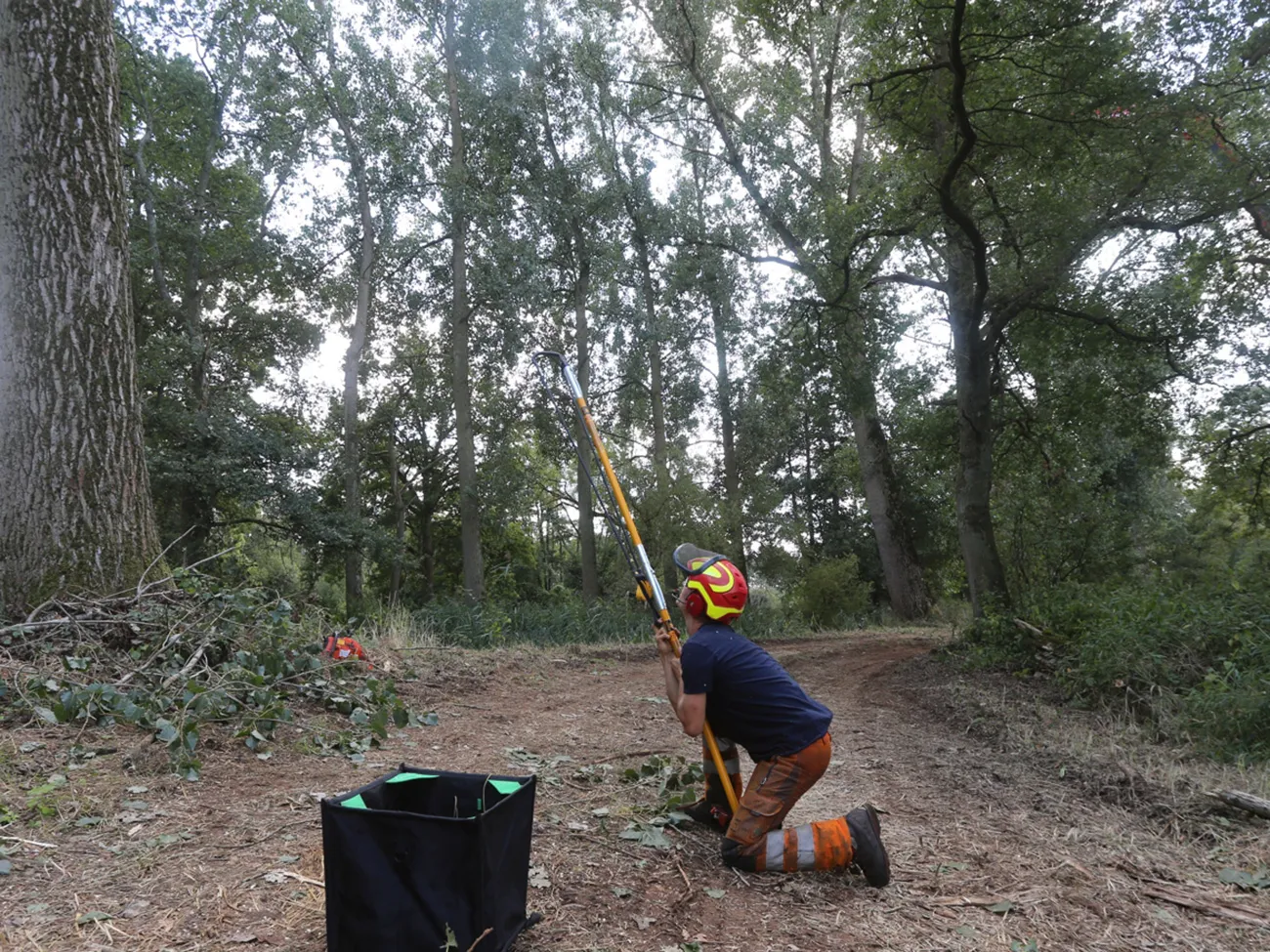
Boomrooierij Weijtmans removes trees, but never indiscriminately. Sometimes trees can be retained through pruning, and in woodland they can often simply be left standing. They only need to be removed when diseased trees pose a risk to their surroundings, for example because of falling branches, when they deteriorate so badly due to disease that they cannot be retained, or when they threaten other trees of the same species. The company’s European Tree Technicians assess each situation carefully.
Removing diseased trees as a specialist service
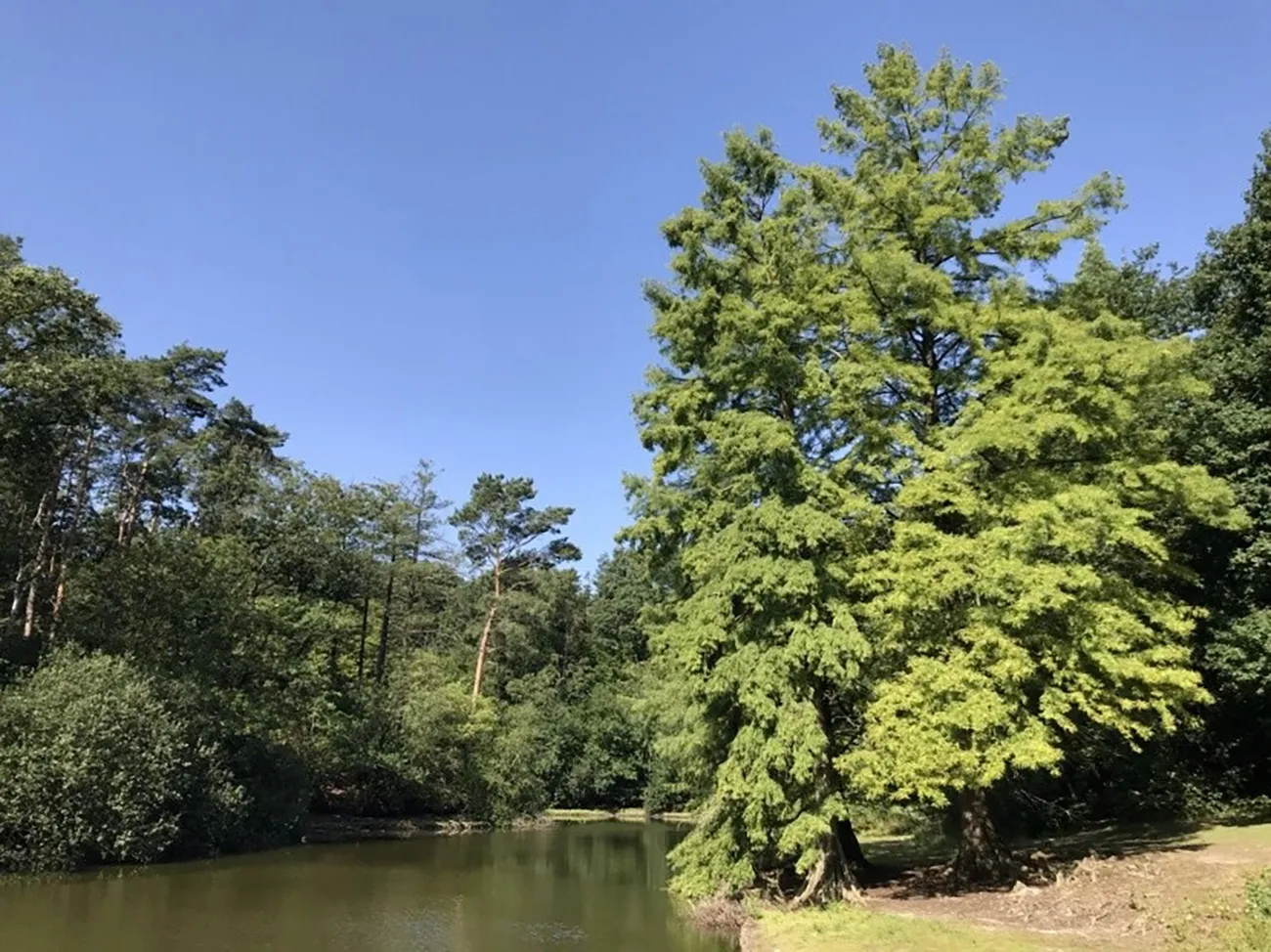
Removing diseased trees is often no easy task and must be done with care. As a certified Dutch elm disease removal contractor, Boomrooierij Weijtmans follows a strict protocol for removing and disposing of wood infected with Dutch elm disease. The company also specialises in removing trees affected by sooty bark disease, a tree disease originating in North America that was first identified in the United Kingdom in 1945 and is known scientifically as Cryptostroma corticale. Sooty bark disease was first recorded in the Netherlands in 2014.
The spores of sooty bark disease are harmful to both trees and people. The tree is therefore removed using an electric crane with a pressurised cab. The ground crew wear personal protective equipment and use a wood chipper fitted with a water hose. Using water prevents the spores from becoming airborne. Boomrooierij Weijtmans works with Nationale Bomenbank on sooty bark disease. Bomenrooibedrijf Kuijpers is brought in to ensure the chips infected with sooty bark disease are disposed of legally.
The cycles of nature
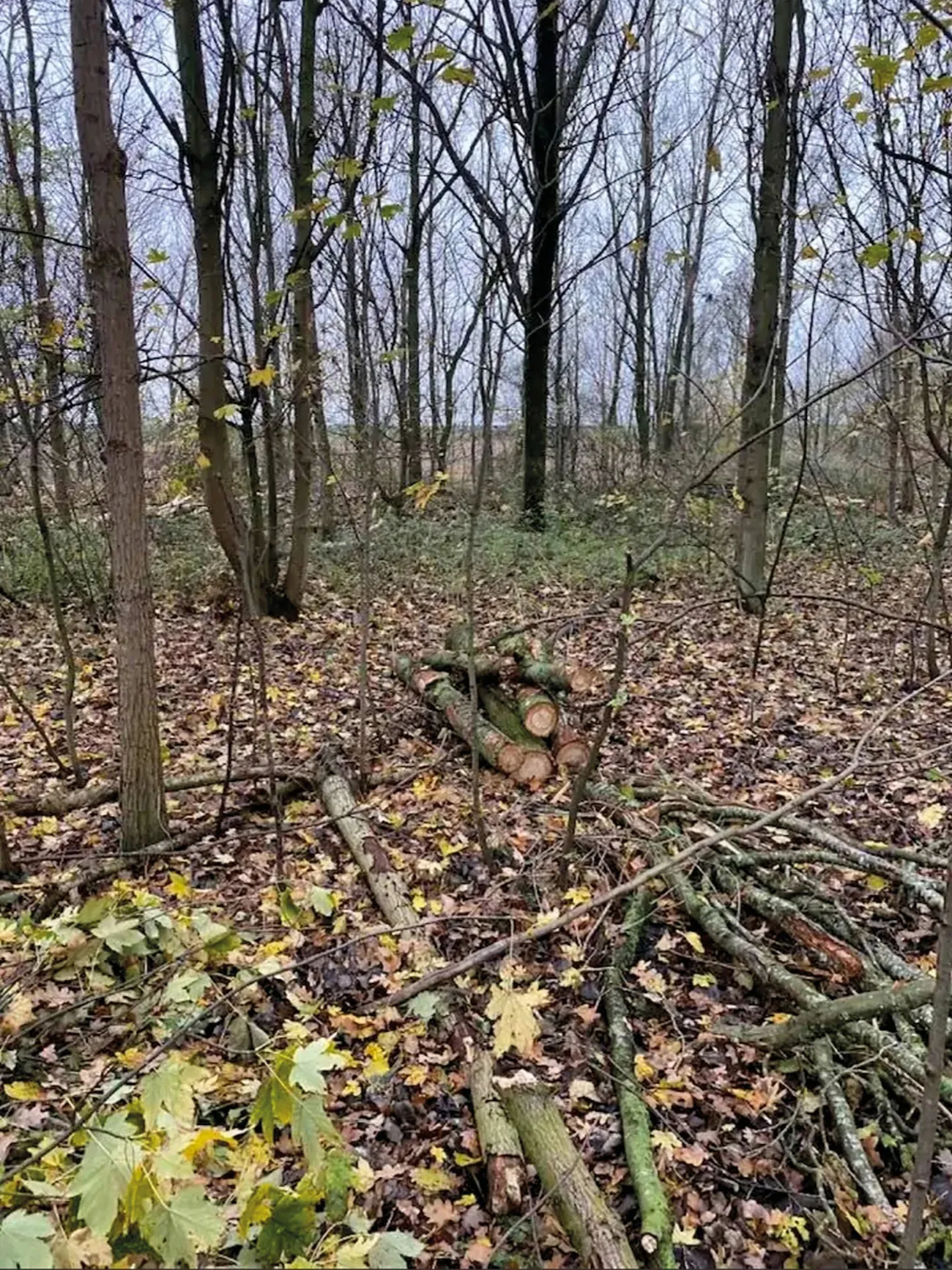
Managing director and owner Kees Weijtmans takes a pragmatic view of tree diseases: “Tree diseases, and pests too, follow cycles. We have seen this with Dutch elm disease, ash dieback, Massaria disease and bleeding canker of horse chestnut. They were all widespread for a number of years, after which disease pressure declined. We also see that some trees can recover from disease. It is therefore always important to assess carefully which trees to remove and which to retain. We will see how sooty bark disease develops over the coming years.”
Healthy tree populations come first
Boomrooierij Weijtmans aims to play an important role in creating healthy tree populations in woodlands, the landscape and public spaces. Where trees are removed, there is an opportunity to develop a good planting plan. Weijtmans: “It’s about quality, not quantity. Why should there be 60 trees in a street if there is really only room for 40 to grow to maturity? Less is more: it benefits the condition and vitality of the trees, making them better equipped to withstand disease and pests. Diversity in the range of species planted prevents diseases and pests from gaining easy routes to spread.”
Question about this story? Ask your question
Companies in this story
Keep following this
Get an email when a new story is published. No account needed.
- ThemeTrees and plants for tomorrow
- SubjectGeneral
- CompanyBoomrooierij Weijtmans B.V.







