









VHG and Coöperatie De Bloeimeesters ‘talk trees’ about current professional horticultural knowledge
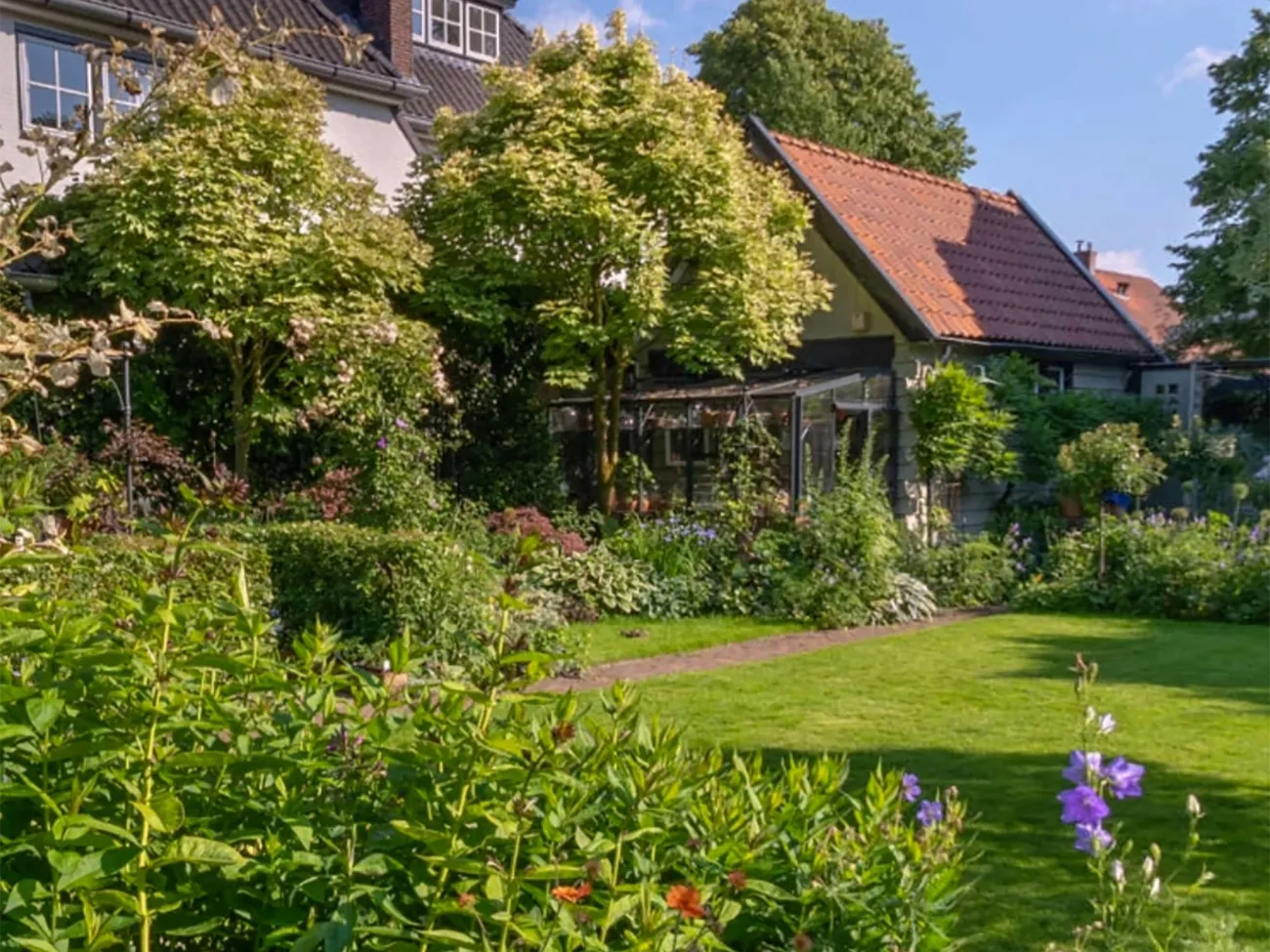
Across the sector, there are complaints about the availability of green-fingered workers. And when they are available, people often say that the knowledge levels of gardeners and green-space professionals have been declining over the years. In this debate, colleges in turn point to the companies providing work placements. The key question is: does the knowledge level of gardeners really need to be raised? Two people with a stake in the issue give their views.
Today, gardening is a broad profession. Alongside working with plants, it now encompasses timber and steel construction, paving, electrical work and lighting. Planting expert Cor van Gelderen owns nursery Planten Tuin Esveld and also works with De Bloeimeesters, a partnership between a group of green professionals. He believes that gardeners should first and foremost be planting experts, but says that this expertise has rapidly eroded within the profession over recent decades. Jeroen Zijlmans, Policy Officer for Labour Market and Education at VHG, is more optimistic.

A decline in professional standing?
Van Gelderen openly questions the quality of horticultural education and states bluntly that the gardening profession has been devalued. ‘Anyone can register with the Chamber of Commerce as a gardener nowadays, whereas in the past gardeners first had to earn their qualification, and until 2007 they also had to meet the requirements of the Establishment Act before they could practise the profession.’ In Van Gelderen’s view, this devaluation is not limited to gardeners, but is part of a wider trend across skilled trades.

Taking the lead in the ‘green wave’
The plant expert, who has written several books on plants and sells internationally to private customers, including collectors, through his nursery, speaks of a ‘green wave’. He sees this period as an opportunity for gardeners and wants to convey a positive message: ‘Green has never been as fashionable and popular as it is now, among consumers and governments alike. More and more places are facing the challenge of working in a nature- and climate-adaptive way. Gardeners are ideally placed to take the lead in this green wave. But they need to know their plants. And that is often where the problem lies,’ says Van Gelderen.
The past wasn’t all better
Zijlmans explains how strongly VHG champions a solid grounding in plant and soil knowledge in training curricula. ‘Soil, whether on the ground, on roofs or on façades, planting and craftsmanship are at the heart of the gardening and green-space professions. VHG is fully behind that. Plant knowledge is part of the curriculum on every green course. It is also examined, as a requirement in the qualification dossier for green-sector colleges. However, these colleges do focus more on the overall landscaping process.’ Zijlmans strongly disagrees with the idea that everything was better in the past, pointing to the frequent nostalgic references to “Frederiksoord”, once the pinnacle of plant collections. He says: ‘I’ve just come from Helicon in Nijmegen. Thanks to its focus on plant and soil knowledge, the gardening course at this college can easily hold its own against the renowned forestry and horticultural colleges of the past.’ Zijlmans does add that the amount of attention given to plant varieties and soil differs from one college to another.
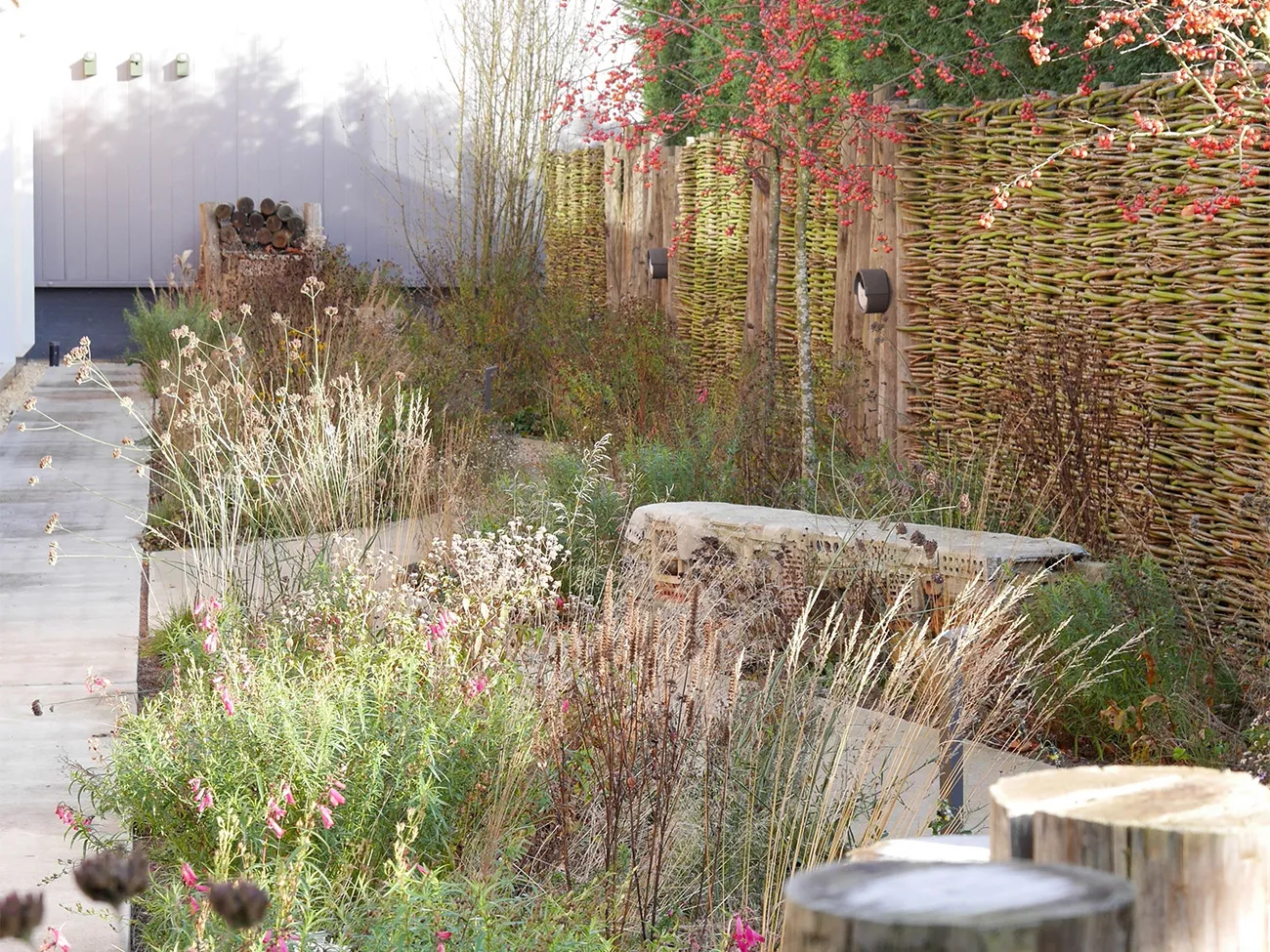
What inspires young people to enter the green sector
Van Gelderen stresses that his criticism is aimed not at students, but at the courses. ‘In their drive to offer a very broad curriculum, they risk forgetting that aspiring gardeners also need to have an affinity with plants if they are to stand out from a paver or a carpenter. The attention given to plant knowledge really isn’t as good as it once was. We have had more than thirty years’ experience with trainees, and standards have definitely fallen. The casual approach taken by some colleges, with a few notable exceptions, is sometimes disappointing. But I believe there is strong public support for a growing appreciation of green-sector knowledge, and that this will lead to the gardening profession gaining greater recognition!’
Zijlmans responds: ‘Colleges need to provide a grounding in green skills, but we must be careful not to put students off with high expectations, such as knowing thousands of plants. There’s more to the profession than that. We see that young people are mainly attracted to the green sector by the variety of work it offers, and by working with both living and non-living materials.’ Among career changers, Zijlmans does see people with a passion for planting.
‘This is a time to keep as many young people and career changers on board as possible, so that we can get all the work done,’ says Zijlmans, presumably referring to the large-scale nature-inclusive construction task and the surge in gardening work driven by the ‘green wave’. Van Gelderen, however, is not at all concerned that qualification requirements will put young people off. On the contrary: ‘Students are underestimated. Colleges can set high standards for their knowledge. They will only benefit from that: they need to be inspired, not just at college, but at their work placement too.
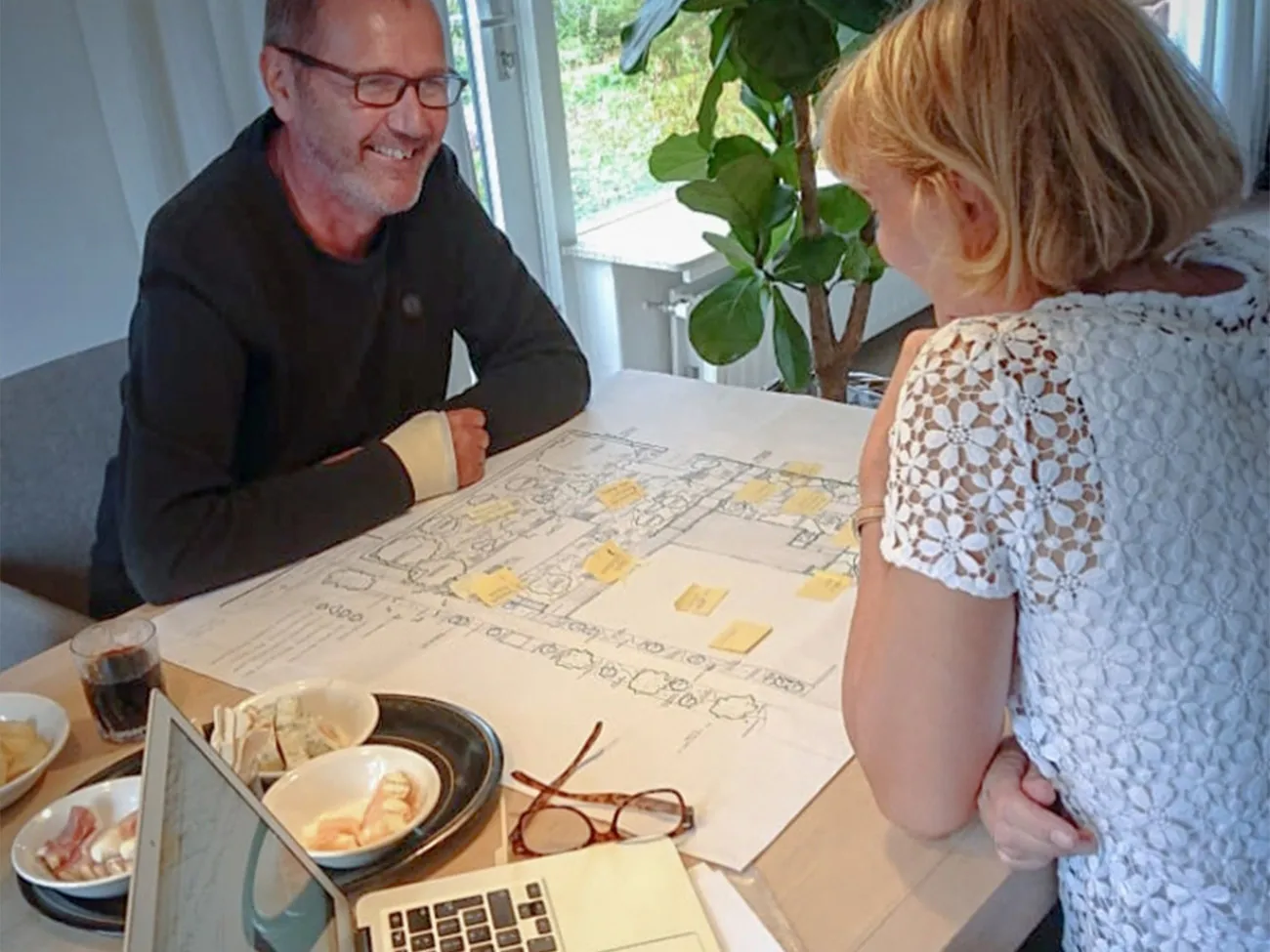
Students should not simply be used as cheap labour for weeding and barrowing. That is precisely what puts young people and career changers off the profession, and means you never see them again.’
Zijlmans adds: ‘Businesses are showing increasing commitment. VHG brings together vmbo and mbo colleges and businesses to encourage them to work together as much as possible. The aim is not to create company schools, because then students would learn a set routine for the one company they are going to work for after their course. But when businesses share responsibility for the curriculum, education stays relevant to the realities of work, helping students develop a passion for their profession.’
VHG has helped establish nine ‘hotspots’ in the Netherlands, or collaborative hubs. Examples include vocational training provider Helicon Nijmegen, which keeps its courses relevant in partnership with a number of businesses. Another is vocational training provider Curio, which works with local businesses and Breda City Council through a public-private partnership. ‘This cross-pollination creates high-quality work-placement companies and teaching materials that reflect real-world practice,’ says Zijlmans.
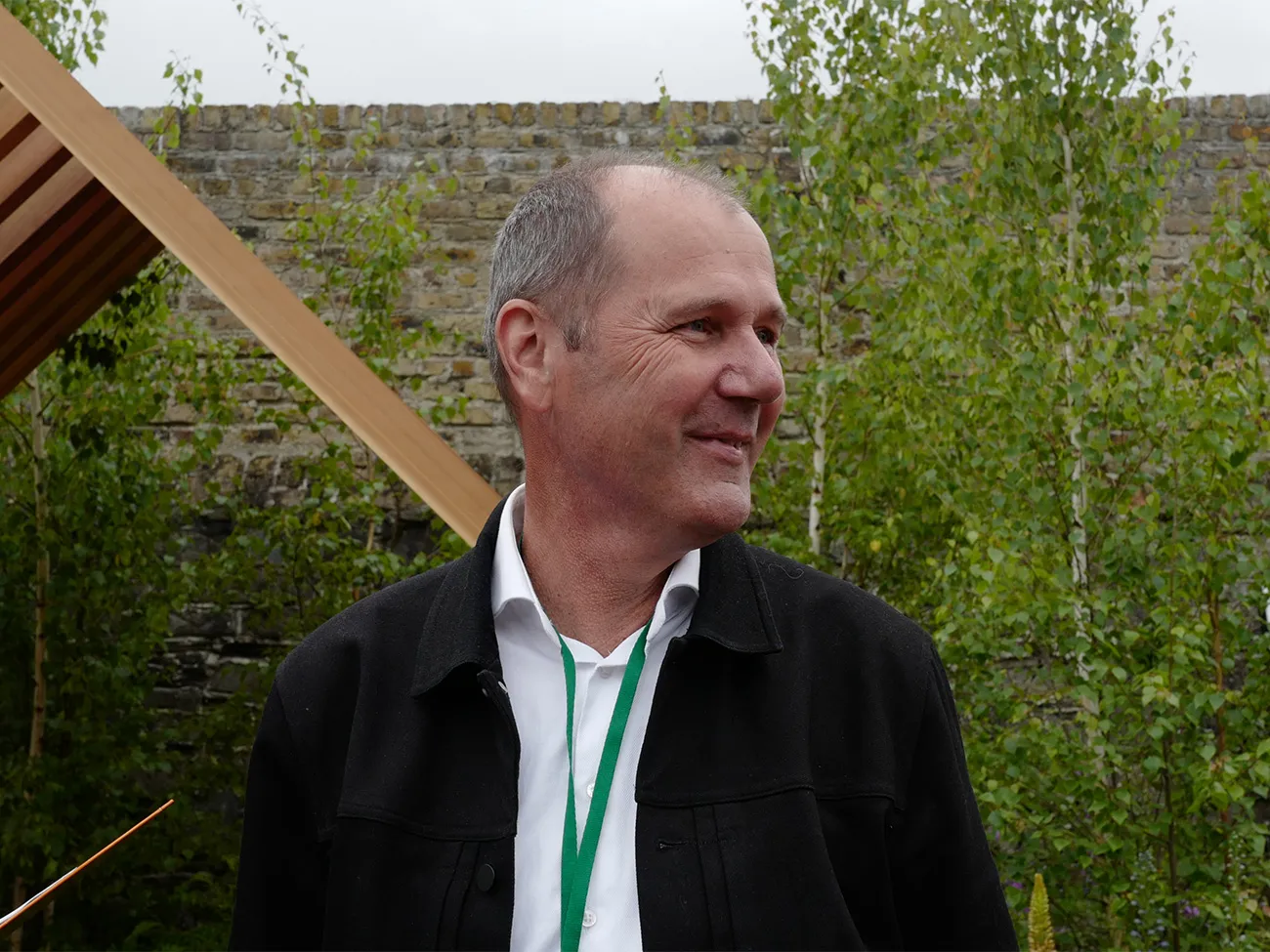
Professional pride versus market forces
‘Plant knowledge must always be the starting point, both at colleges and at work-placement companies,’ concludes Van Gelderen firmly. ‘Everything begins with nature. Gardeners can influence it by creating as much green space as possible.’ But in practice, isn’t it really a case of ‘the customer asks, the gardener delivers’, with the average customer asking for lavender and hydrangeas and going for the lowest price? At the same time, gardeners need to become increasingly skilled in construction work, given the boom in covered areas, garden rooms and swimming ponds in the high-end market. Van Gelderen shakes his head. ‘I see customers actively seeking information about plants from gardeners these days. But ultimately, it doesn’t matter what the customer asks for: gardeners simply need to have a green heart. I too often miss that passion when I look around. You can be a good businessperson as a gardener, but your competitive edge and professional pride don’t lie in being better at bookkeeping than your competitors! They lie in your knowledge of soil and planting.’
Fortunately, Zijlmans still sees plenty of passion among gardeners, including those just entering the profession. ‘The National Garden Landscaping Skills Competition took place last weekend. The standard among all the participants was extremely high. I think there are plenty of gardeners who show what they can do with their green fingers and professional skills.’
Question about this story? Ask your question
Keep following this
Get an email when a new story is published. No account needed.
- ThemeGardens from design to maintenance
- SubjectGeneral







