









VHG director Egbert Roozen on opportunities and challenges in the green sector
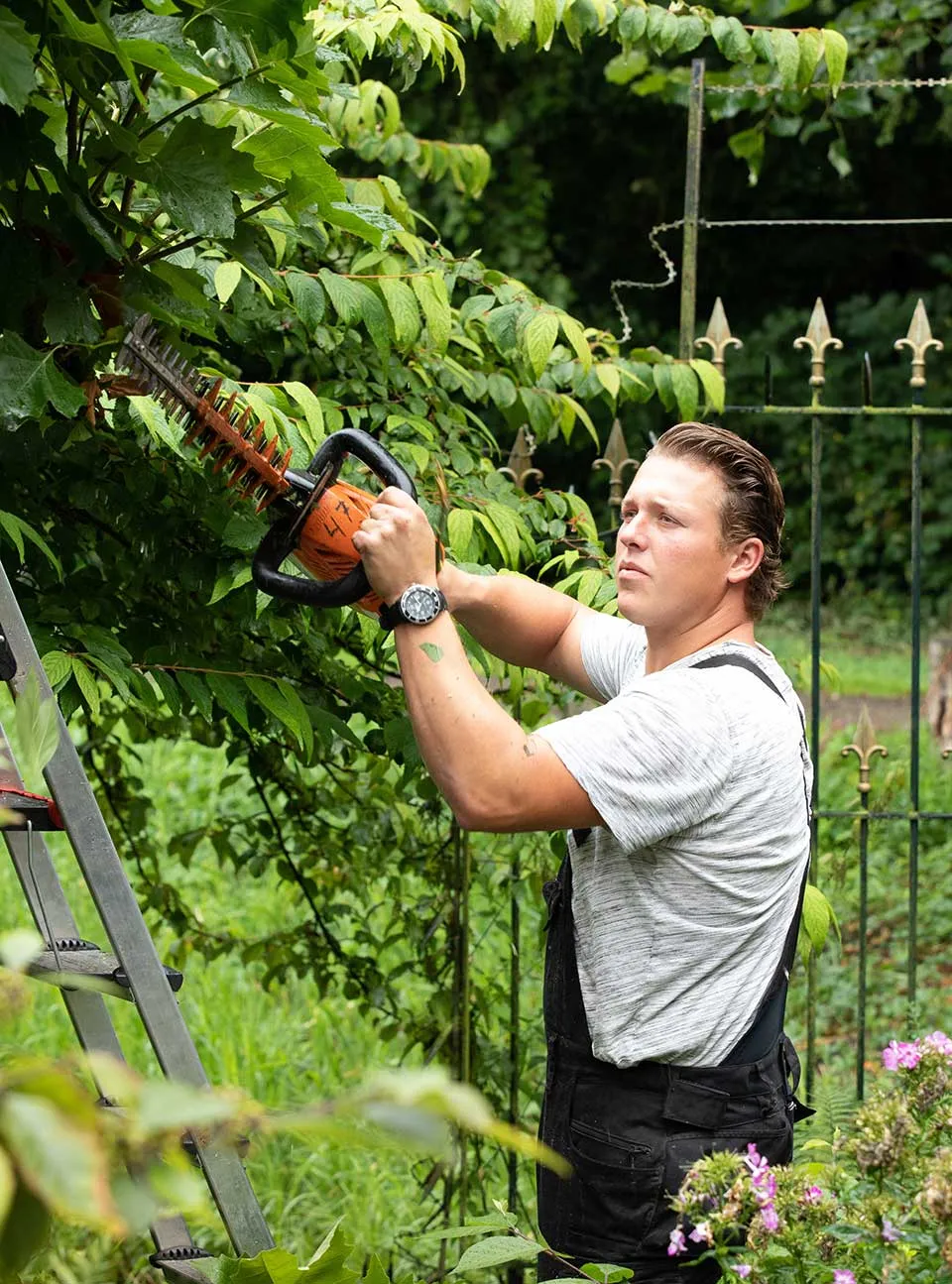
Appreciation of green space has increased enormously.
How can we make the Netherlands greener? VHG director Egbert Roozen has a few ideas and sees opportunities for green professionals. “If the Netherlands wants more green space, we will need to seek integrated and innovative solutions. Our sector can devise, install and maintain these green solutions.”
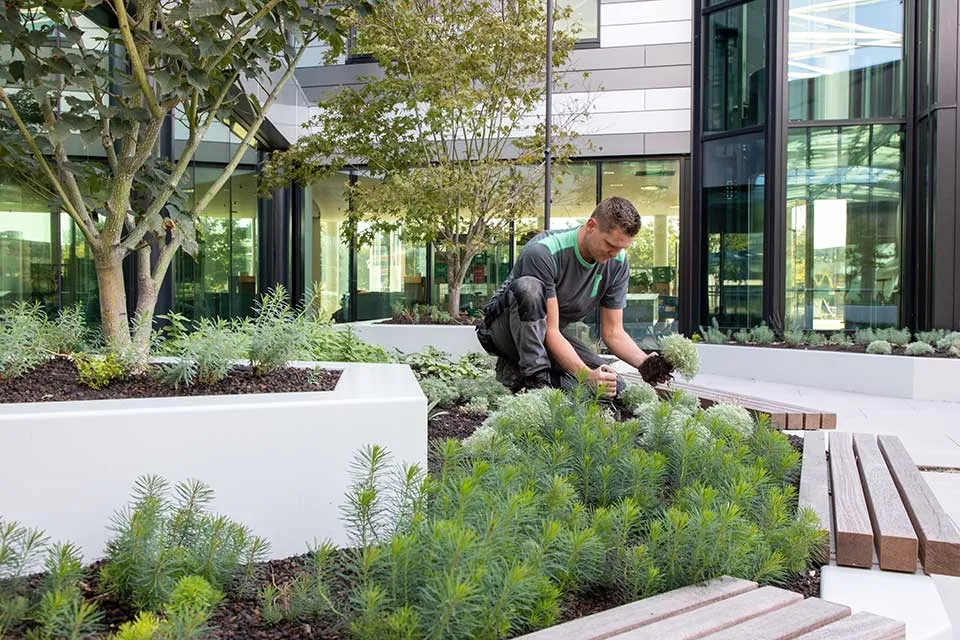
The Royal Association of Garden and Landscape Contractors in the Netherlands (VHG) and its members focus on all green space in urban areas. Divided into the domains of Gardens, Public Green Space and The Living Building, VHG supports the sector in running their businesses as successfully as possible. Director Egbert Roozen says the green sector is certainly not standing still.
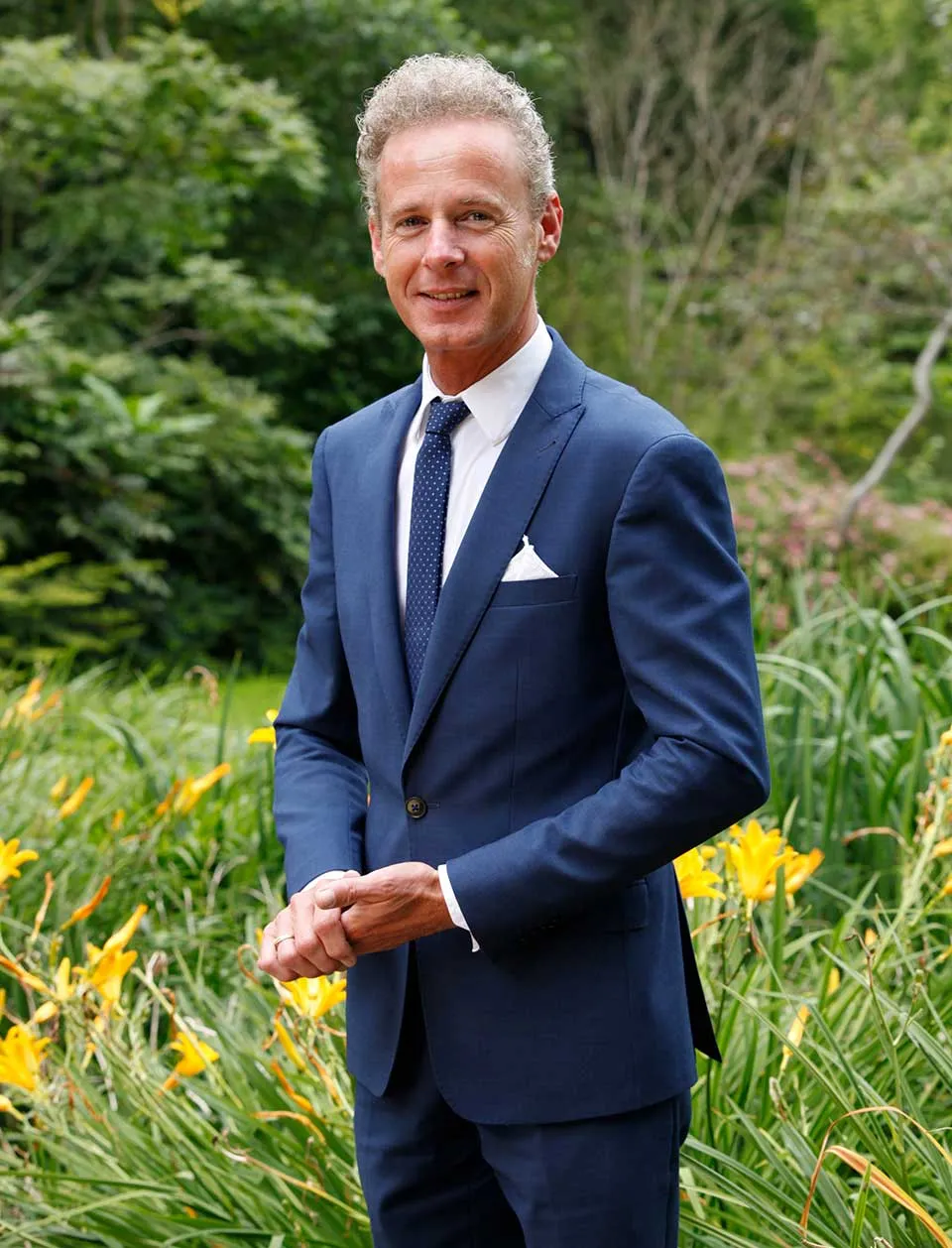
Appreciation of green space has risen sharply over the past year.
“Absolutely. A great deal is happening in the sector at the moment. During the coronavirus pandemic, people in the Netherlands rediscovered green space, and garden contractors in particular have seen rising demand for garden renovation and maintenance. In the ‘The Living Building’ domain, we are seeing the market increasingly move towards innovative green buildings, such as the Trudo Toren in Eindhoven, where a Bosco Verticale is being created. The pandemic has further highlighted the value of green space, but that trend was already under way.”
Is there now, more than in the past, a focus on integrating green space into the living environment?
“Fortunately, yes. When I started in this job 12 years ago, public green space was one of the first things to be cut. Green space was seen as decoration and a cost. But it has great value for the living environment, the climate, biodiversity and our own health. In 2011, the European Commission launched the Nature Based Solutions initiative to bring nature back into cities. Increasingly, green space is seen as a solution to torrential rain, heat stress and a lack of biodiversity. There is a growing realisation that green space delivers more than it costs.”
How is VHG responding to this trend?
“In all kinds of ways. We started with the ‘The Living Garden’ concept, which aims to raise awareness of what green space can do for the living environment, biodiversity and health. Green space also has economic value. This was followed by ‘The Living Building’ and, last year, ‘The Living Public Space’, which develops different forms of sustainability through green space into concepts that professionals can use to drive further innovation.”
How can green space be used more effectively?
“We need to take a more integrated approach to green space. It should not come at the end of the chain, but at the beginning. When drawing up a building plan, work with green professionals from the outset to look at how green space can help tackle heat, noise pollution or whatever the issue may be. And include maintenance in the plan, so that the benefits can be realised. Contracting authorities are increasingly asking green professionals to contribute ideas or join construction teams, but this needs to happen much more often, because that is where green professionals belong.”
Is the green sector ready to take on this new role?
“Our people are passionate about green space and contribute their professional expertise to discussions about the benefits it brings. But we face staff shortages and need young people entering the sector, as well as skilled professionals who can put the value of green space into practice and maintain it. That is why education is an extremely important priority for VHG.”
How does VHG ensure that education meets the needs of the market?
“We bring businesses and schools together in green hubs and, for example, have business owners give guest lectures. We need skilled professionals at all levels, and links must be established with other courses, such as the HBO Building Engineering programme. That will allow us to combine technical and nature-based solutions. Solar panels, for example, last longer on a green roof. By working together to provide green-sector education, we can ensure we have the right people to deliver on the wider social role of green space. The biggest challenge is ensuring that we have enough well-trained people. We need to show people that this is a wonderful profession with excellent prospects, including for those changing careers. In partnership with licensed schools, the VHG sector training programme offers career changers a good vocational qualification. I often hear from people who have changed careers that working in the green sector gives them a sense of purpose.
“In the years ahead, the green sector will play an increasingly important role in finding climate solutions. As a sector, we must continue to come up with green answers and solutions. I have enormous respect for our members and the wonderful projects they deliver every day. The future is green, as far as I’m concerned!”
Question about this story? Ask your question
Keep following this
Get an email when a new story is published. No account needed.
- SubjectGeneral







