









Welcome more nature into the city
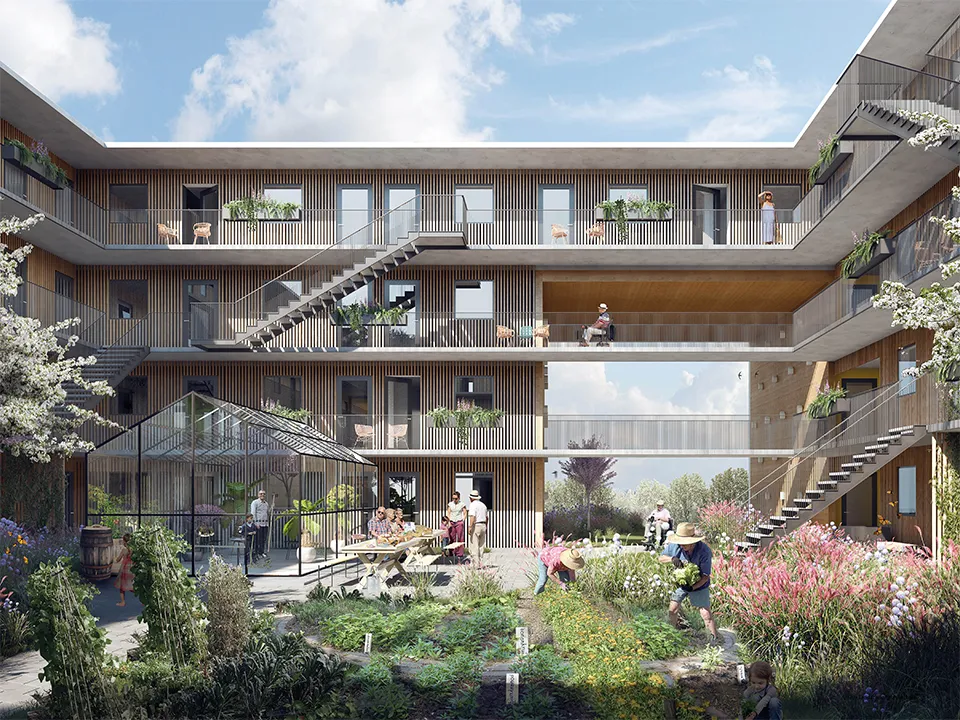
It can feel as though building is going on everywhere, often at the expense of green space. How can we give greenery a lasting place in our cities, and who will maintain it? Anja Guinée has many years’ experience as a landscape architect and is a member of the Dutch Association of Garden and Landscape Architecture (NVTL). She once carried out research with a colleague into the work of garden and landscape architects. She sees opportunities for innovative thinking and citizen initiatives.
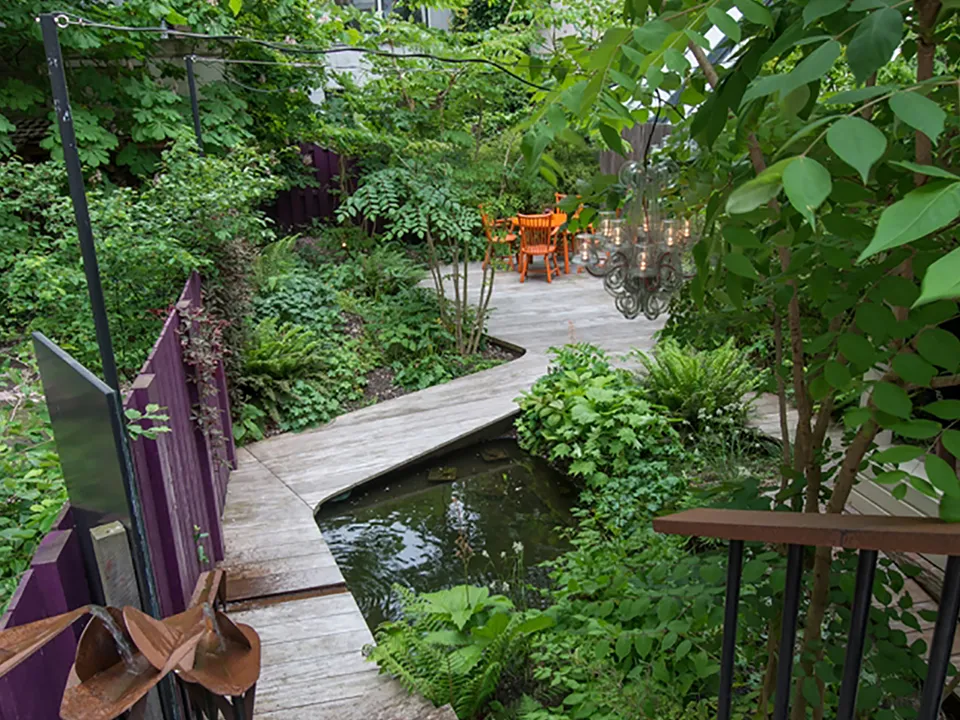
First of all, why do we actually need more greenery in public spaces?
Guinée: “For so many reasons. Naturally, to tackle the effects of the climate crisis, such as heat stress and flooding. But people simply need greenery too. It brings people together and invites them to relax. Having a picnic together in the park. Seeing spring arrive in flower-filled verges. But budgets for greenery in public spaces have been under pressure for years. We also need to build homes, because households are getting smaller and everyone needs their own space, preferably with a garden. Those gardens are often paved over because it seems easier.
How can we make sure the space that remains is put to good use?
“There are two sides to it: gardens need to be greener, and in public spaces, quality matters more than quantity. An old, gnarled tree with a bench beside it can sometimes do more than a large lawn. Look carefully at which spaces can be used intensively and which should have a more ecological function, then design them accordingly. And don’t be afraid of innovation or thinking differently.”
What innovative solutions do you have in mind?
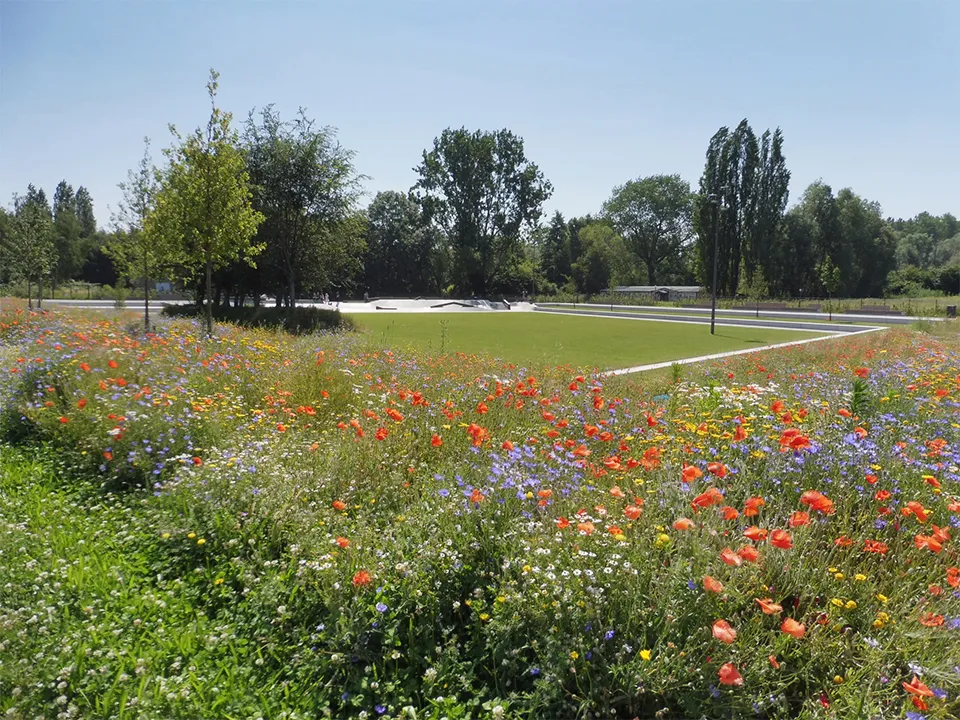
“There are so many possibilities. Green roofs, for example, help combat heat stress and make use of unused space. But think of wildflower verges too. You see them everywhere in the countryside, so why not have more of them in the city?”
Should these solutions come from the government or from citizens?
“It has to come from both, with the government playing a major enabling role. In Rotterdam, for example, people can create a façade garden without a permit. You remove a few paving slabs from the pavement and plant it up. It can transform a whole street, and residents maintain the gardens themselves.”
What challenges remain?
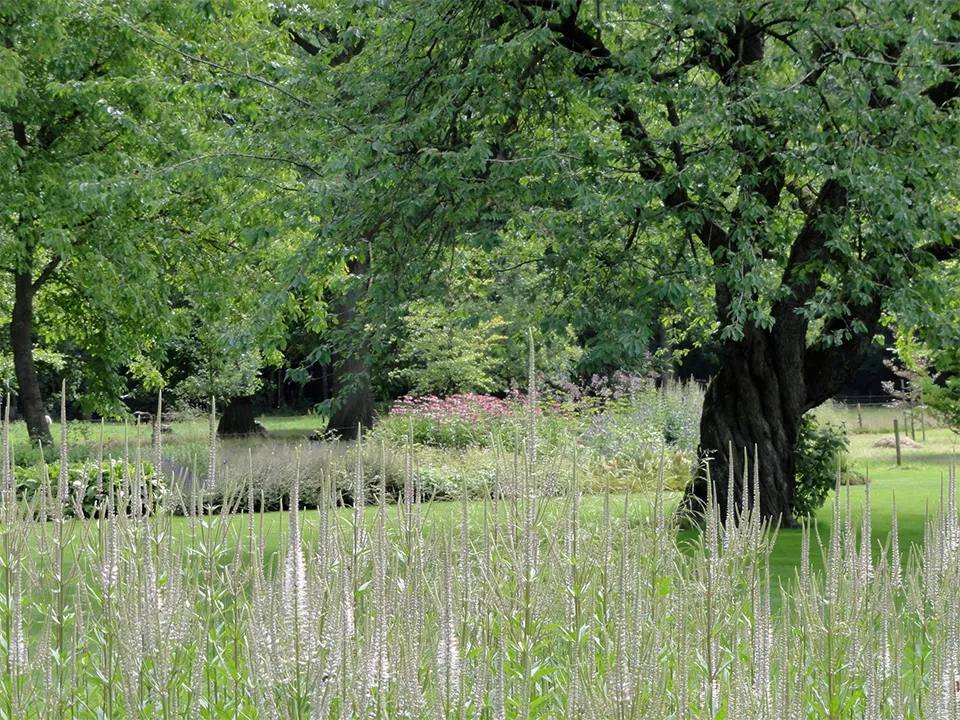
“We need more continuity. Ambitious plans often still have teething problems, after which the whole idea is rejected. Have the courage to develop the same basic idea further. But I also think we need to dare to depart from the norm. In the Netherlands, it is still important for a garden to look ‘neat’, with right angles and all the greenery kept under control. That can mean a lot of maintenance, leading people to pave over their gardens instead. But low-maintenance doesn’t necessarily mean paved. Let greenery be itself too. It doesn’t all have to look so neat.”
That sounds easier said than done.
“Perhaps, but if we want more greenery, we also have to be willing to accept more of it. That sometimes means a few leaves in the gutter or bird droppings on the garden furniture. And why not bring in a garden or landscape architect? They know how to combine different requirements, even if you want to keep maintenance to a minimum or have only a small city garden. They can advise on suitable plants and those that will also encourage nature in the garden. Here too, quality is key. If we make conscious choices about greenery, we all benefit.”
Question about this story? Ask your question
Keep following this
Get an email when a new story is published. No account needed.
- SubjectGeneral







