









When is something a tree?
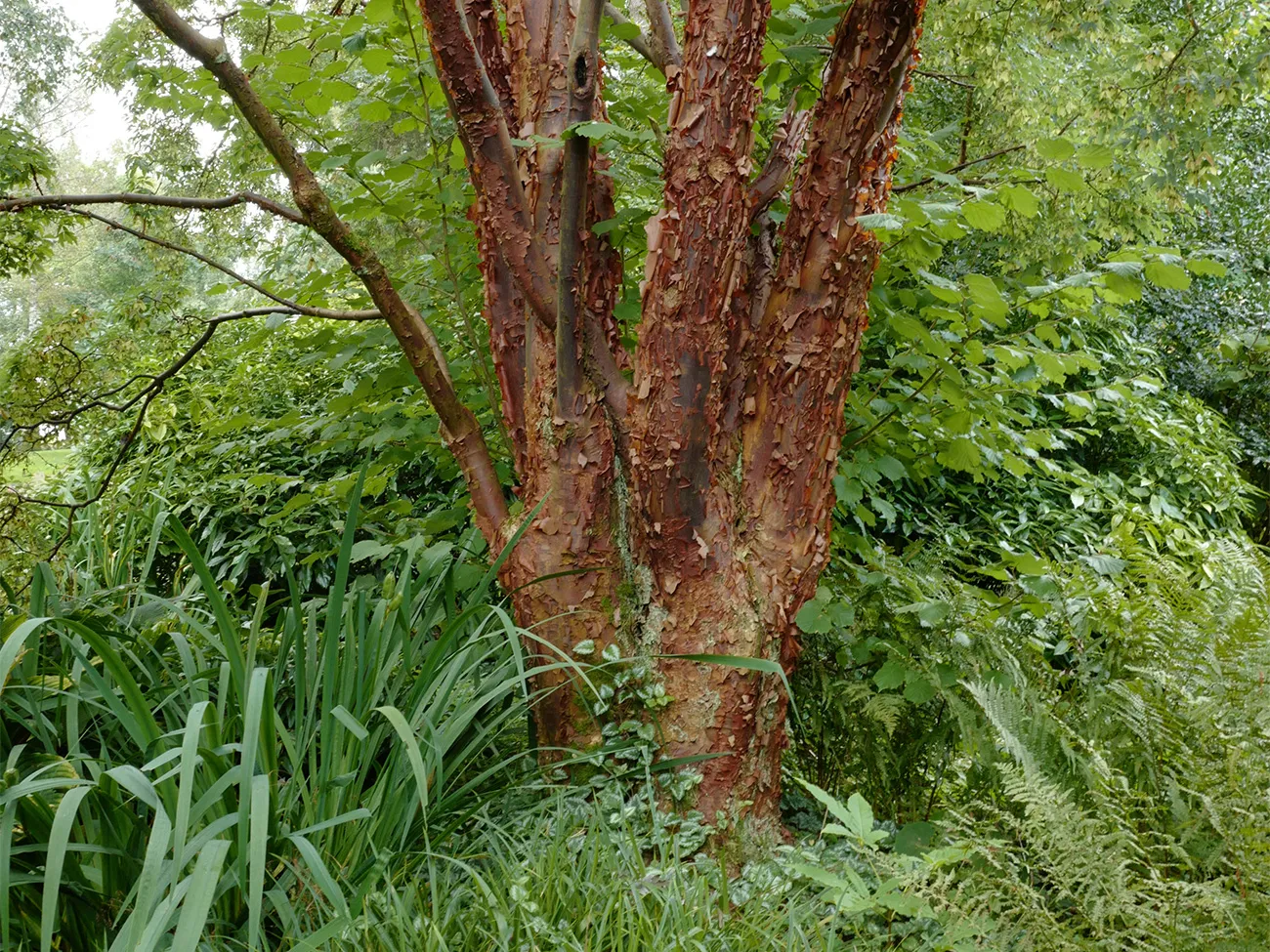
Nature often makes a right mess of things
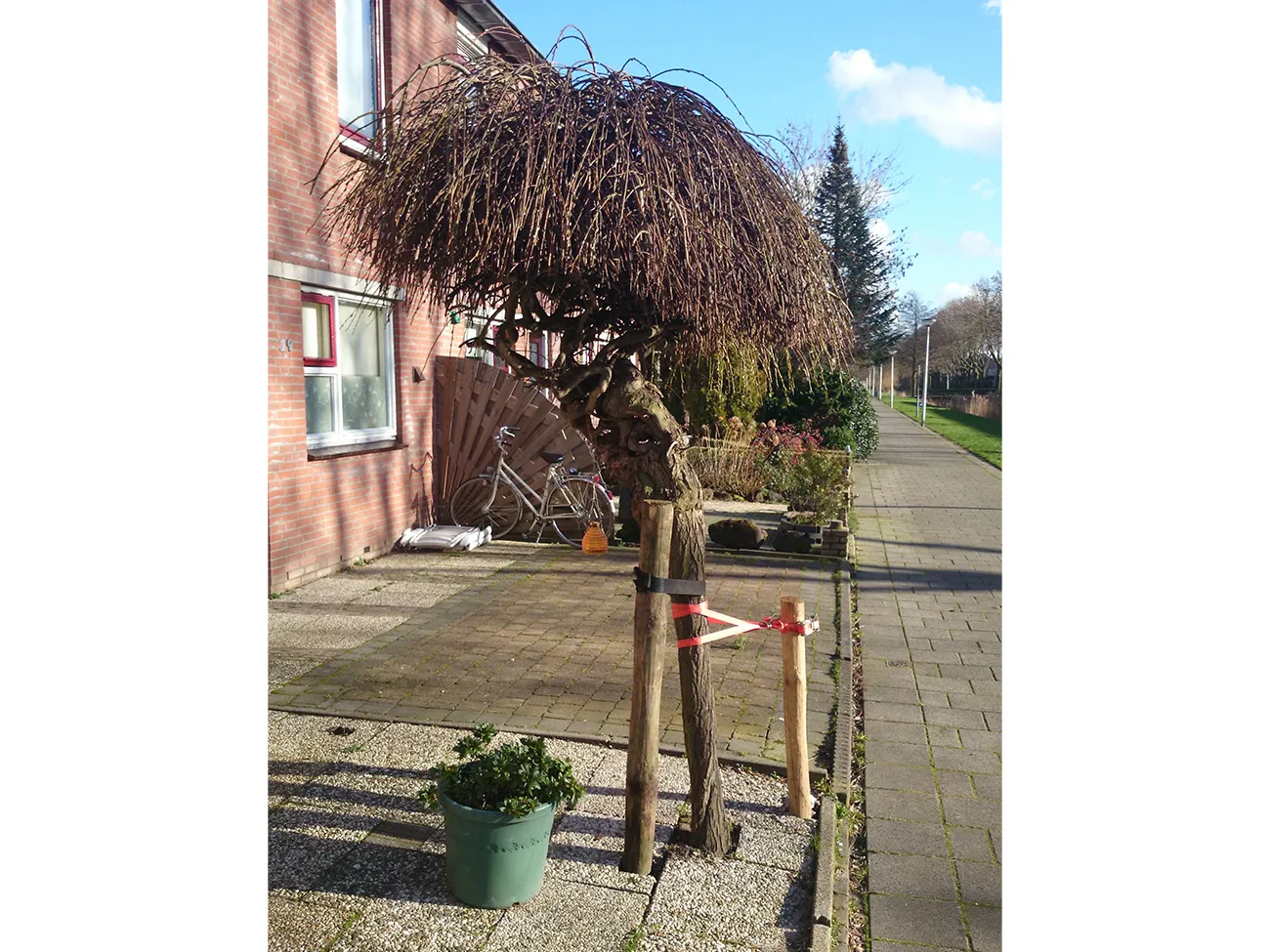
“So what is a tree, then?” A client recently asked me that after I tried to explain that, in my view, a dwarf willow grafted onto an 80-centimetre stem was not a real tree, but more of a shrub on a stick. Boskoop tree growers may call everything a tree, even a sorry-looking cutting, but that is professional deformation. I then widened the discussion and began airing my frustrations as a designer about failed “trees”.
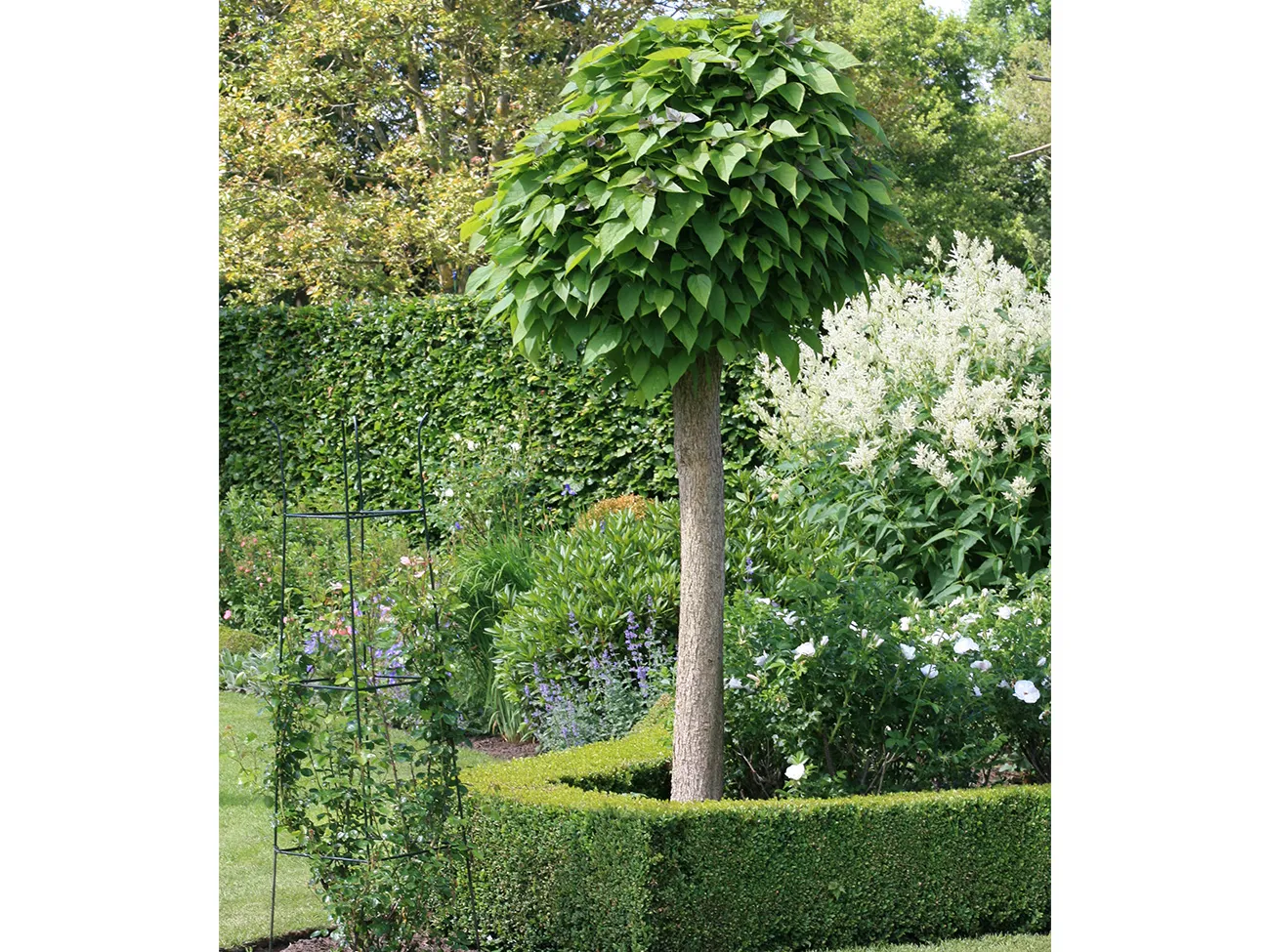
First, there is the globe catalpa, which I may consider the most boring tree ever, with no flowers, autumn colour or elegant growth habit. Then there is cherry laurel trained as an espalier. It has an irrepressible tendency to turn back into a shrub, constantly producing shoots from the base. Next comes red tip photinia, which never seems to produce a good trunk and often ends up as a sorry, lopsided little tree with a crown like a hydrocephalic head perched on a far-too-wobbly stem. All three, incidentally, are widely used as ‘trees’.
Multi-stemmed
But what is a tree, then? The various definitions clearly serve different purposes. In law, for example, the tree’s form is irrelevant: what matters is the circumference of the main stem, measured at a height of 1 metre. In short, even what we would usually call a shrub can legally be a tree, as long as it has a thick branch somewhere. Cherry laurels can soon meet this criterion, for instance. But from a user’s perspective, we often consider something a tree only if it has a trunk just under two metres tall, with the crown above it. Much like a child’s drawing of a tree. Many garden designers, on the other hand, have a strong preference for so-called multi-stemmed trees, even when the species in question do not naturally tend to grow with multiple stems.
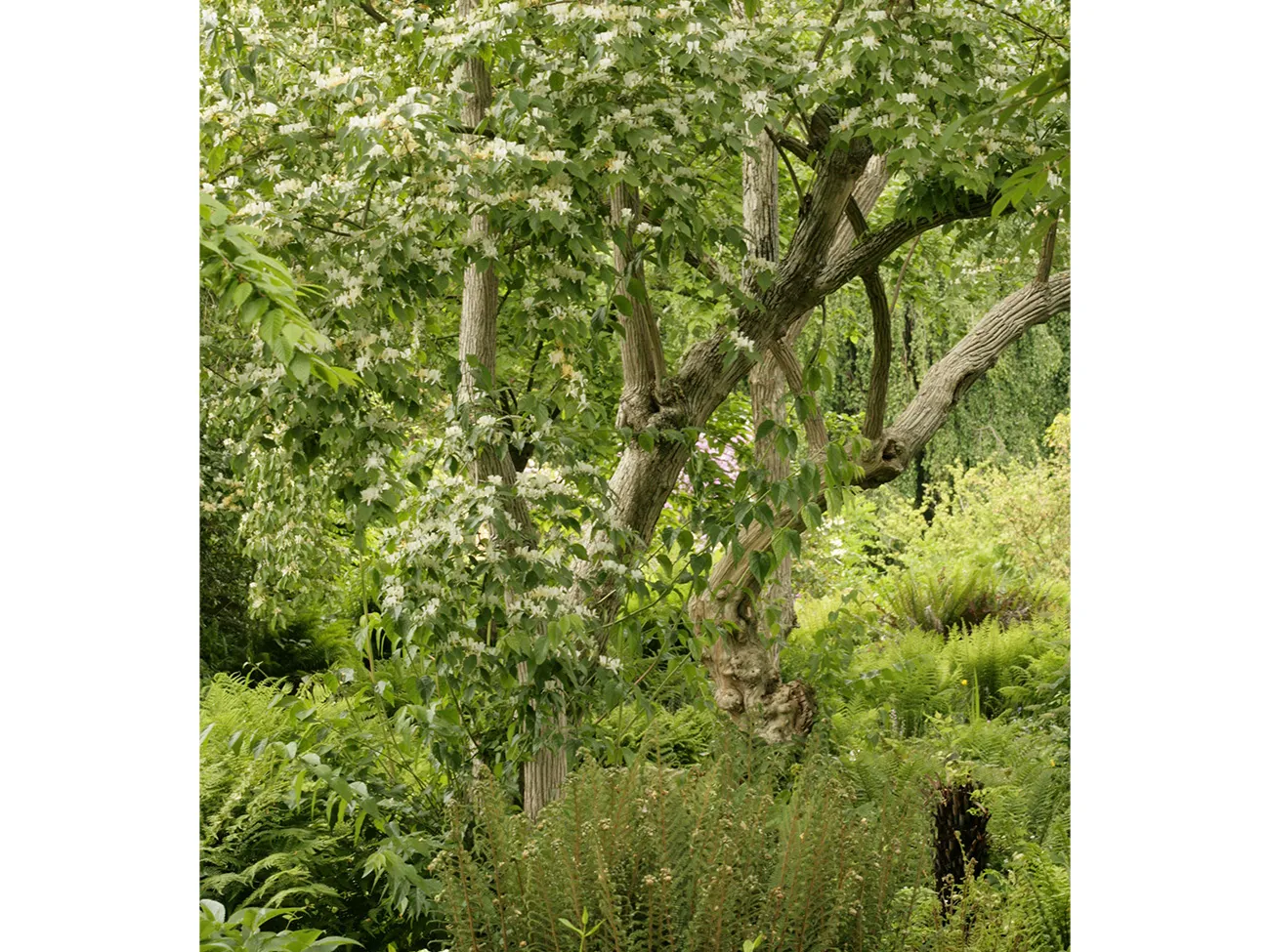
Nature takes no notice of such definitions. An oak growing in the open has side branches almost down to the ground; the same oak in a wood develops a substantial trunk as the lower branches die off for lack of light. Birches, which we often see as multi-stemmed trees, are usually a cluster of seeds that have been swept together and germinated at the same time on the uneven woodland floor, then grown up together as a clump. Neat, straight trunks, the dream of many tree growers and road managers, are the exception rather than the rule in nature. In short, nature often makes a right mess of things.
Palms in the polder
And that is exactly what I, as a designer at the Bloeimeesters cooperative, like to see. A mess. In a neatly raked garden, with the trees lined up perfectly and their little globes clipped and trimmed, I often feel a little unhappy. As if I had arrived at the crematorium just a little too early. The gardens designed by Bloeimeesters draw inspiration from nature, but in the broadest sense: we are not limited to our own native flora, but use images and plant combinations from all over the world, as long as they suit the context. No heather moorland on heavy marine clay, no palms in the polder.
The choice of trees is, of course, crucial when drawing up a planting plan. They have a major influence on the finished picture, and the decision is a long-term one. The complexity of these choices lies not only in obvious considerations such as site conditions and context, which are often challenging enough, but also in how things develop over time. That plane tree which delivers quick results so nicely may eventually become an overly dominant giant. At the same time, that appealing, airy little tree that will still suit the garden in the long term can take an annoyingly long time to make its mark. You can solve this by buying time from a tree nursery and choosing a more mature specimen, but you could also try to find a middle ground. Better still, the design can anticipate that some of the trees will need to be removed after about ten years, allowing the slower-growing ones to take over the scene. But that requires the user to think long term and management to be consistent.
But since a garden without trees is no garden at all, we should not be discouraged by the complexity, but inspired by the endless beauty nature offers us.
Question about this story? Ask your question
Keep following this
Get an email when a new story is published. No account needed.
- ThemeTrees and plants for tomorrow
- SubjectGeneral







