









With the right expertise, sensors make green space management easier and more efficient
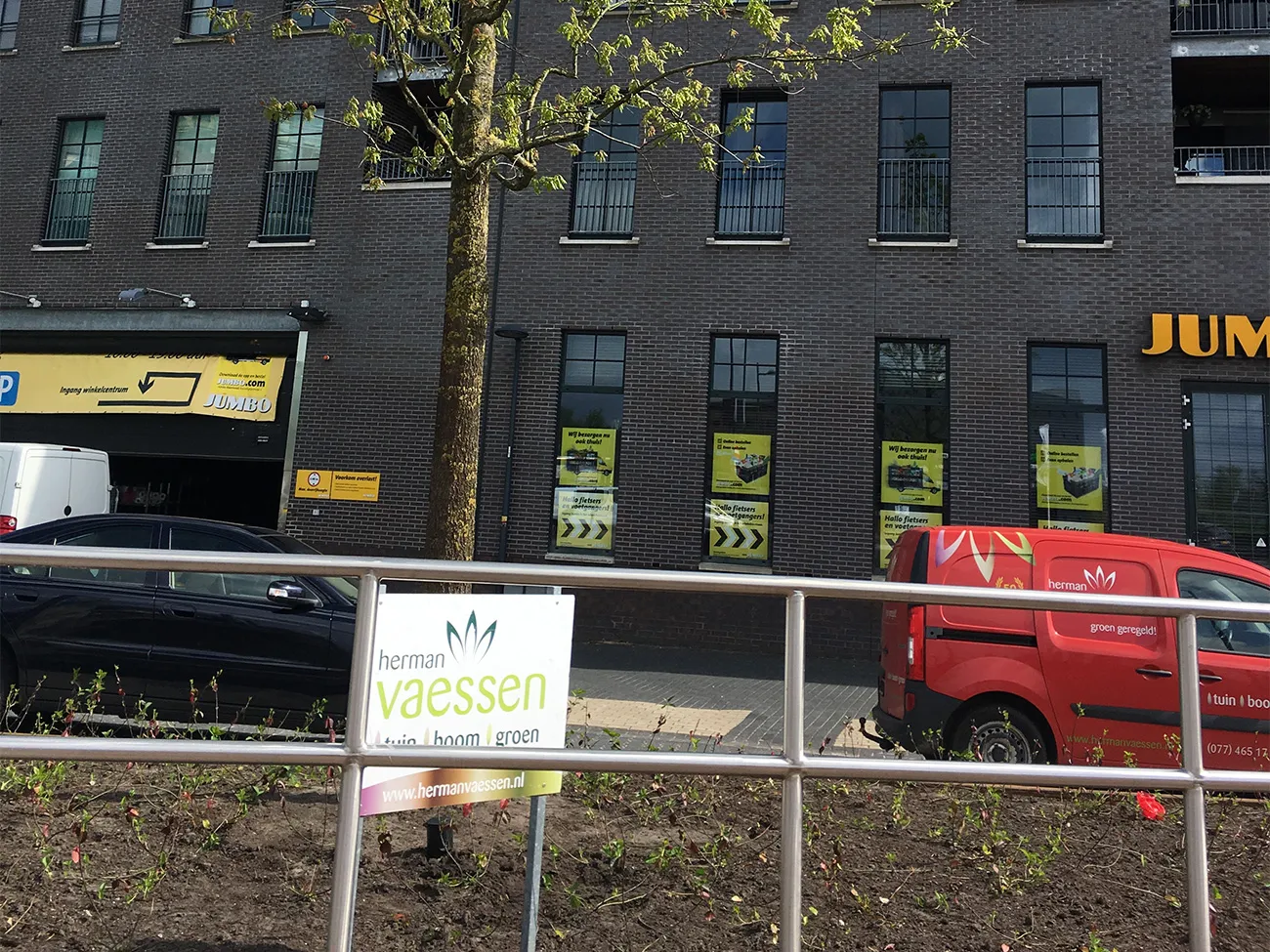
Using soil sensors intelligently and efficiently, combining them with data collection in the cloud and adding domain expertise helps local authorities and landscaping companies save water and CO2, reduce the number of site visits and prevent tree losses. René Voogt of ConnectedGreen in Houten: “When a project is finished, our sensors are easy to move to another location. They do need to be configured correctly again.”
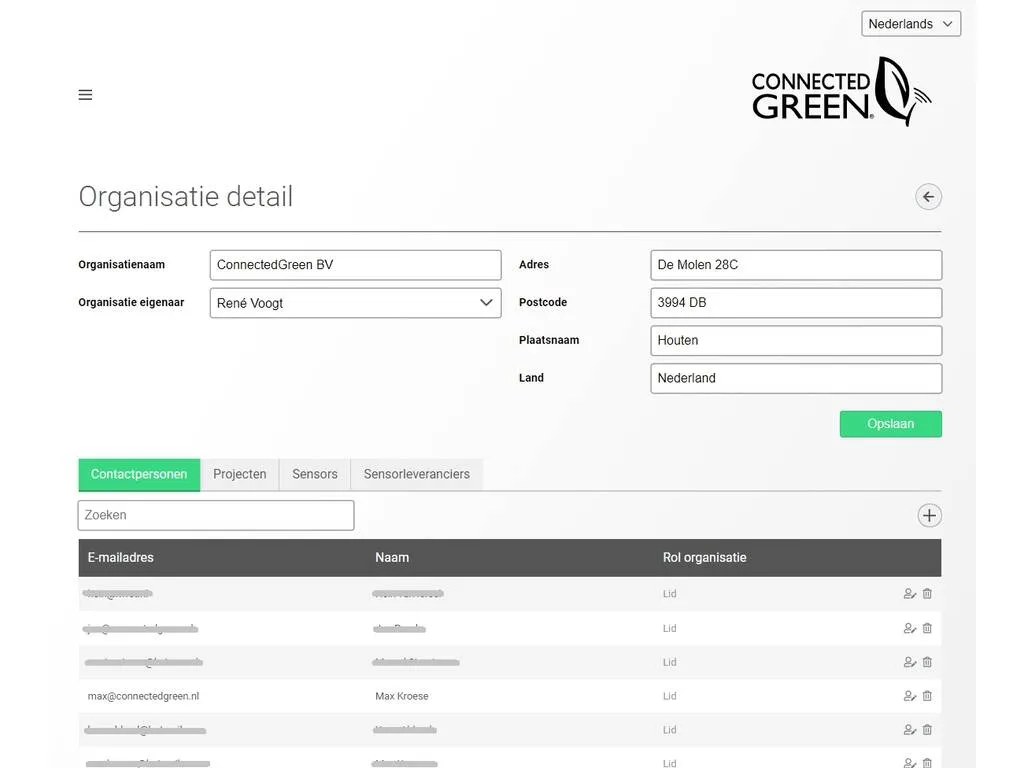
According to Voogt, the sensors are designed to be used flexibly. “When you buy a sensor, we configure it with the right settings. Some users can do this themselves, but we help most of them: we give the sensors names and link them to the right soil type. It really is plug and play. Once the project is finished and the trees and plants have established themselves, the sensors are removed from the project. They are designed to be easy to move to another location. But they do need to be configured again. We call this sensor management, and we see companies training sensor or data managers for this purpose.”
ConnectedGreen developed its own training course and has since run pilots at two organisations. Voogt: “Five years ago, we highlighted the benefits of sensors. Now we are helping site managers manage them. We do this with a one-day course, in which we provide them with basic knowledge by having them work through documentation and instructional videos, before getting to grips with the system. This basic knowledge is essential for understanding what sensors need to work optimally: they must be properly installed in the ground, communicate seamlessly via KPN’s Lora network, and the project must be set up correctly, with data shared with third parties such as the landscaping company.”
Climate streets
The course is intended for those responsible for managing the sensors, such as data managers at landscaping companies or local authorities. “They also learn about the different soil types, how they behave and how they handle moisture, as well as how the Lora signal works. Because we are a sensor-independent platform, we can link different types of sensors together. It is about more than just watering; there is much more to it. We also see them being used for a range of purposes, such as measuring heat stress, the effects of greening and conducting analyses. It is important to know what to expect from the sensors, so setting them up correctly is essential: the location, soil type, depth and length of the sensor.”
At De Groene Sector Vakbeurs trade fair in Hardenberg, ConnectedGreen invites visitors to try things out for themselves in a demo environment. “It is important to interpret sensor data using expert knowledge, bearing in mind that no two square metres in the Netherlands are the same. Put ten sensors in a row and you will get ten different readings. The variables across a site play an important role, because something will have been done to the soil everywhere. With the right expertise, sensors make green space management easier and more efficient.”
Question about this story? Ask your question
Keep following this
Get an email when a new story is published. No account needed.
- ThemeDigital tools for green space management
- SubjectGeneral







