









‘Without bees, we lose our beautiful gardens’
The Bijenstichting was founded in 2010 following the Stop de Bijensterfte petition the previous year. Jaap Molenaar, the foundation’s founder and director of the Bijen Educatiecentrum, saw that it was time to sound the alarm. “It’s not just honeybees that are in trouble, but wild bees too. We need to do something about it.”
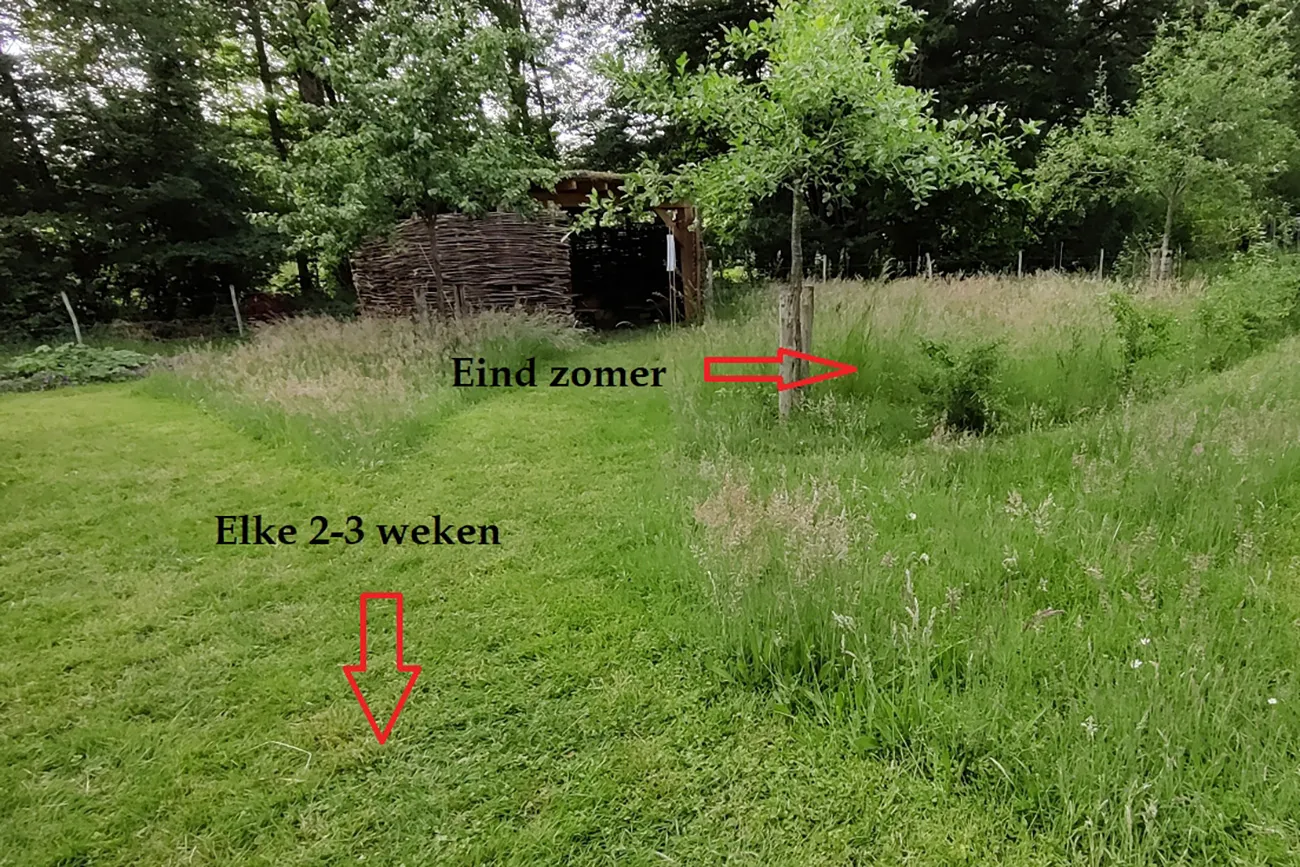
Mowing less and more selectively helps bee populations
The Stop de Bijensterfte petition in 2009 brought bee deaths to the attention of the Dutch House of Representatives, but Molenaar wanted to see concrete action. That is why he founded the Bijenstichting. “We essentially do two things. On the one hand, we influence policy by campaigning against harmful pesticides and supporting greenery that benefits bees, for example along roadsides. But we also provide a lot of information about bees to private individuals, and we are now seeing a shift in that.”
In its early years, the foundation mainly explained that bees are important for our food and biodiversity. “We are now shifting towards telling people how they can help bees,” says Molenaar. “That means honeybees and wild bees alike. It can still be quite difficult to find the right information online, so we are taking on that task. We inform and mobilise people, for example through our campaigns.”
Bees in the spotlight
Thanks to the Bijenstichting, three key neonicotinoids have been banned for outdoor crops throughout Europe because these pesticides are harmful to bees. Bees are also now firmly in the spotlight. “The reason the foundation exists is obviously not a good one, but the results we are seeing are. People are now taking action to help bees, and we are proud of that.”
The foundation’s next step is to influence European agricultural policy, to secure pesticide-free farming and horticulture. “That would make a real difference. I hope that in ten years’ time, public green spaces and roadside verges will be full of greenery and flowers that benefit bees. Then there will be enough food for bees throughout the Netherlands. Hopefully, by then we will be able to close down our foundation, but I’m afraid that won’t be the case. New threats to bees keep emerging, such as drought caused by climate change.”
No Mow May
One of the campaigns organised by the Bijenstichting is Maai Mei Niet. Participants leave their lawns unmown during May. The idea comes from England. “In Belgium, the initiative was rolled out by Knack magazine, and we have been doing it in the Netherlands since last year. Last year, the campaign provided food for 900,000 bees. With all the new partners this year, such as EW magazine and Velt, we hope to reach even more people,” says Molenaar.
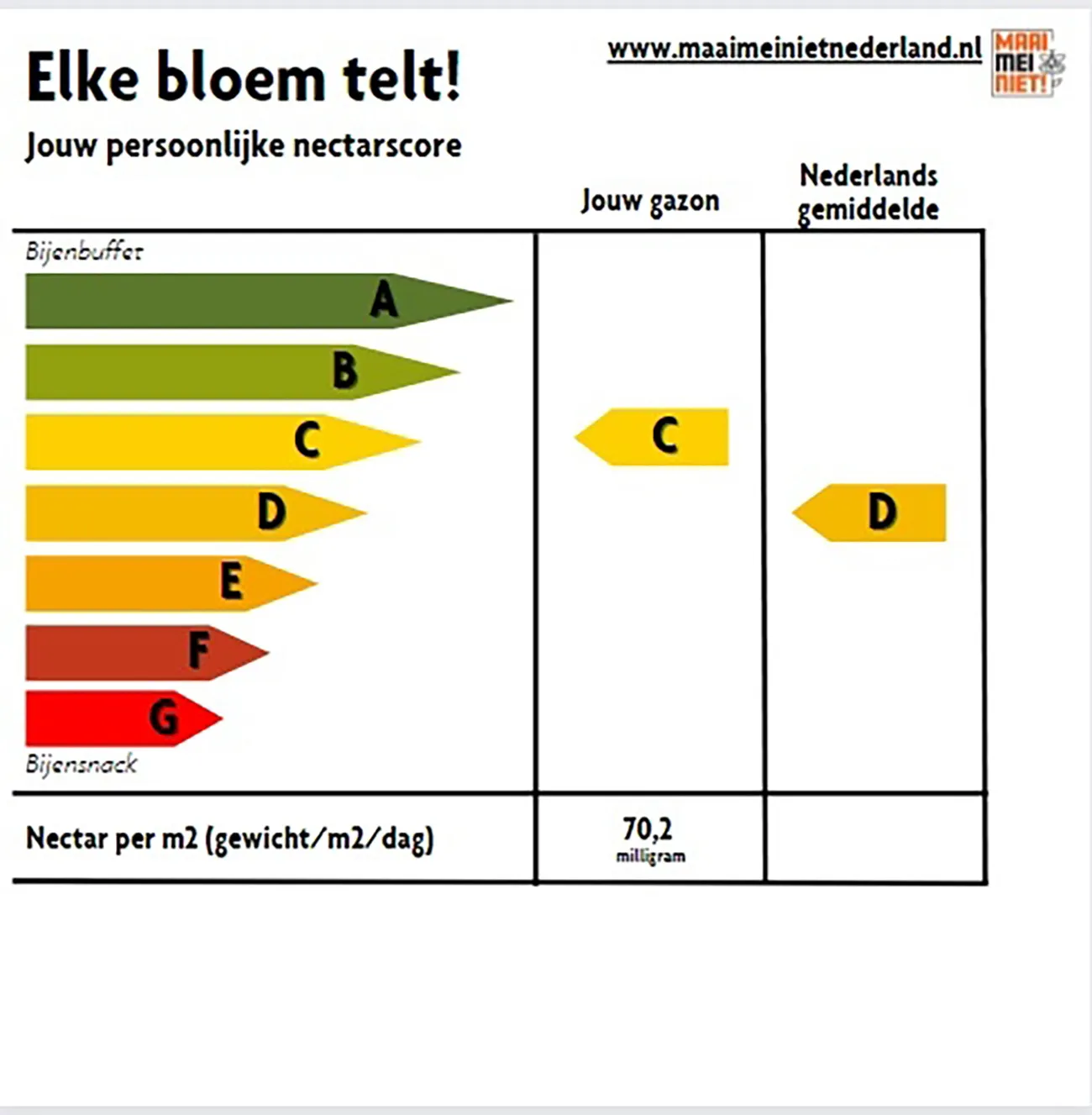
Everyone taking part in the campaign receives their own nectar score. “It is essentially a kind of energy label, but based on the amount of nectar your lawn produces. Together with the University of Leuven, we are looking at the figures for the Netherlands as a whole. This campaign not only provides a huge amount of food for bees, it is also fantastic for raising awareness. A garden that is left unmown for a while looks different straight away. People often have no idea how many beautiful flowering plants they miss out on by mowing all the time. Our advice? Save yourself the time and effort, and enjoy the flowers, butterflies and bees.”
Question about this story? Ask your question
Keep following this
Get an email when a new story is published. No account needed.
- SubjectGeneral







