









You choose paving for projects for sustainability and innovation
The trend described in this article has been evident in the private market for some time: people are increasingly choosing ceramic alternatives over traditional natural stone. However, this structural development is also taking place in the market for project paving, in several respects. We speak to Mirjam Rosman, Marketing & Communications Manager at MBI De Steenmeesters, about this change and what is driving it. What are the causes, and what are the benefits?
The Netherlands is a land of rivers, a country by the water, so it is hardly surprising that there has long been a preference for using clay pavers to surface streets and squares. After all, there is plenty of clay available. Choosing clay pavers is therefore a matter of tradition, with aesthetics often cited as an argument too. But if you look at the times we live in and the factors that should play a more prominent role when choosing paving for projects, there are alternatives in terms of sustainability, innovation, safety and even appearance. An added benefit is that availability is also better at a time of exceptionally high demand.
Concrete pavers with a rustic appearance
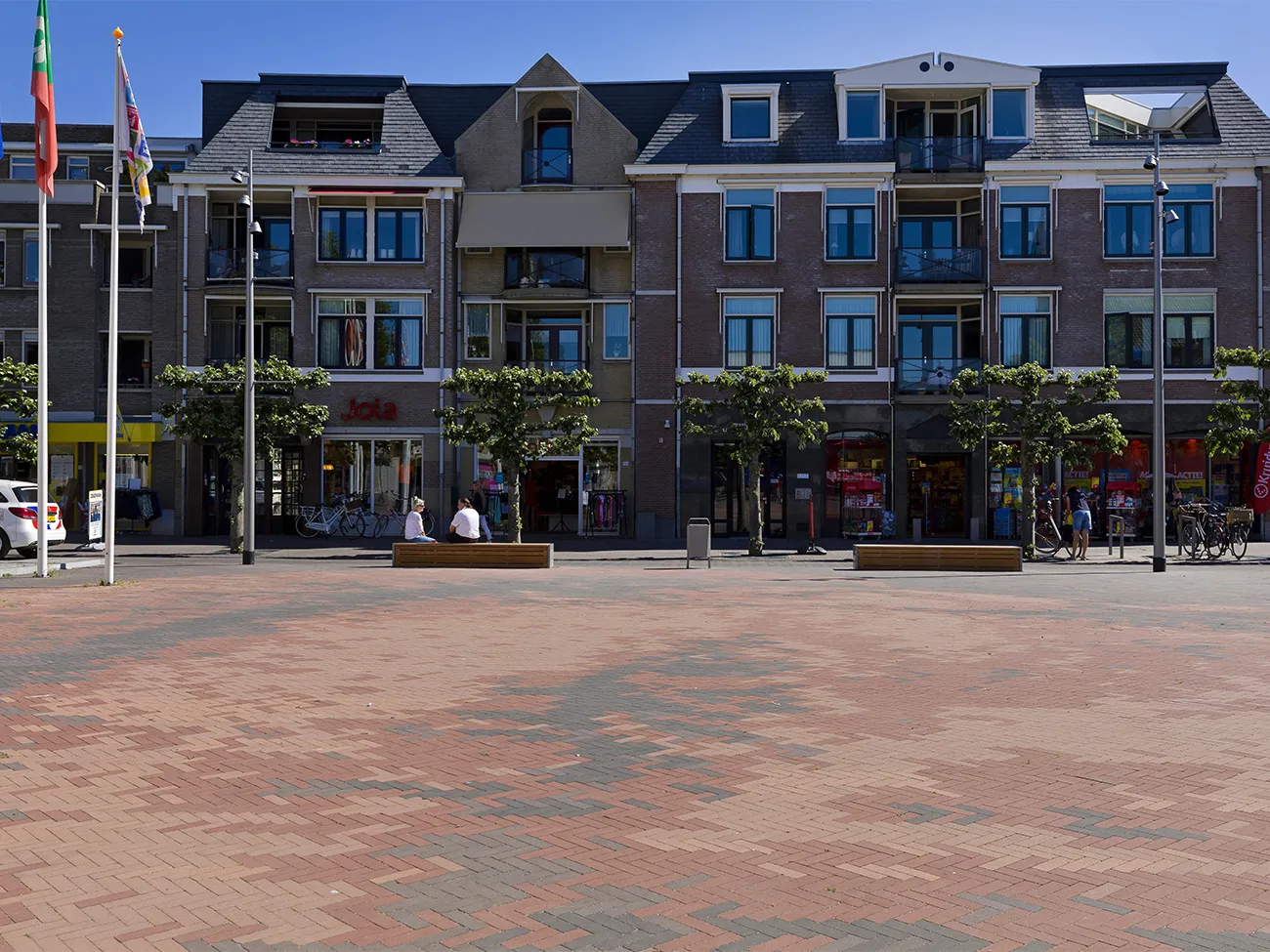
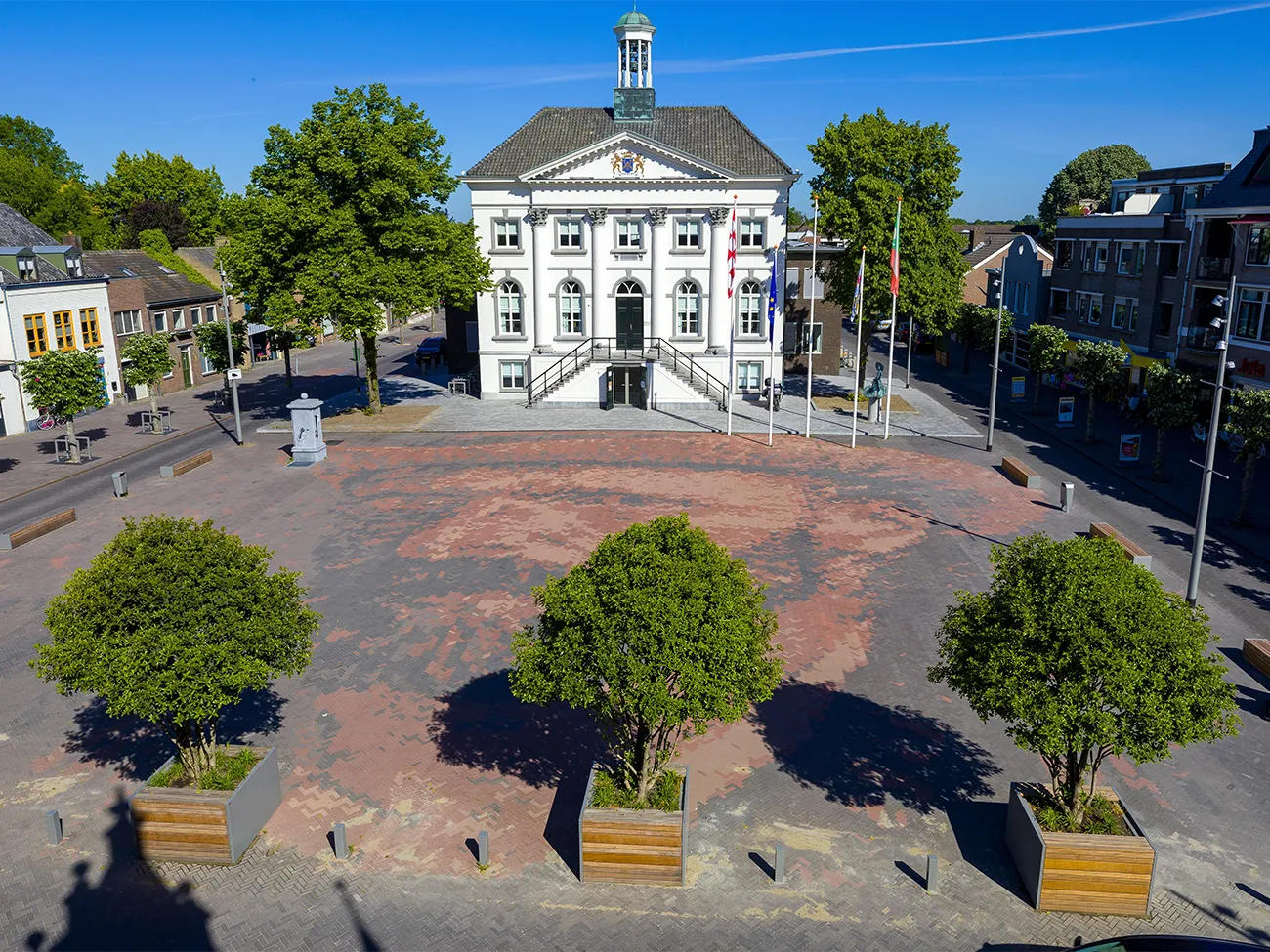
One of the most obvious alternatives to clay pavers is MBI’s GeoRetron® range. Mirjam Rosman explains: “Sustainability does play a part when private customers buy paving, but in the project market, where local authorities, contractors and landscaping companies design public spaces and other sites, this criterion is far less dominant. Concrete is a highly innovative material, and development is continuing to bring its environmental cost down. A major advantage over clay pavers is that production does not require prolonged heating or energy use, and a high proportion of recycled materials can be used. Based on the figures, the Environmental Cost Indicator (MKI), we dare say that GeoRetron® concrete pavers are more sustainable than clay pavers. GeoRetron® pavers look like classic setts, without the drawbacks. Their surface remains more slip-resistant, also helping to improve road safety.” A project in Zundert demonstrates that MBI’s concrete pavers can also deliver stunning results: a square was paved in a herringbone pattern. A mosaic of different colours was used to create Vincent van Gogh’s famous self-portrait. A true work of art!
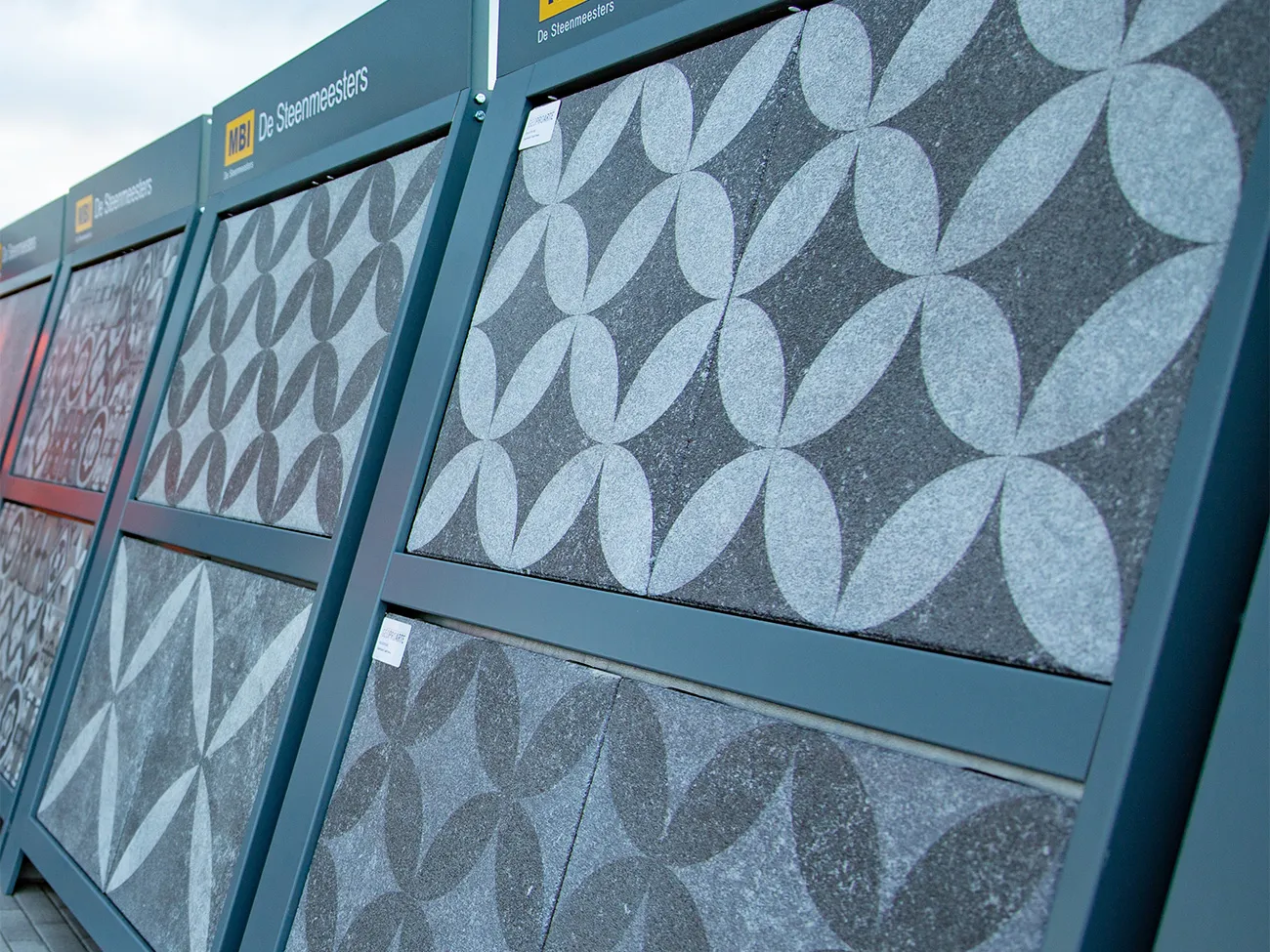
Concrete with a ceramic design
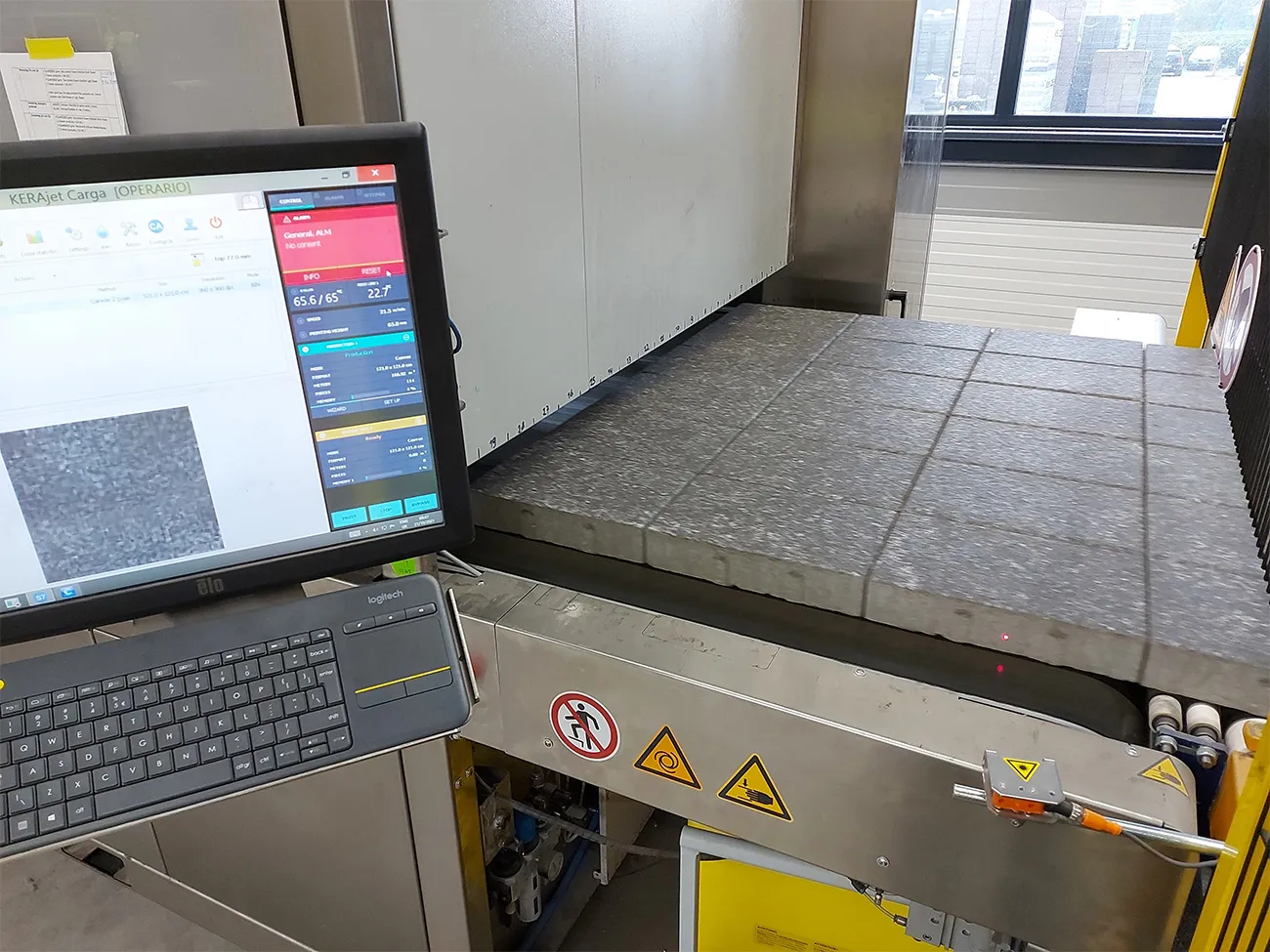
Natural stone is still an option for paving projects. But that choice is also under pressure from the arrival of more sustainable alternatives. A first glimpse of one of these alternatives will be offered at the ‘Groene Sector Vakbeurs’. MBI has developed its GeoProArte® range, applying an innovative ceramic design to a concrete slab. This state-of-the-art design technique enables MBI to match the beauty of natural stone, wood and other materials with a concrete slab. This makes this sustainable, innovative slab THE alternative to natural stone, including for projects by local authorities and contractors. GeoProArte® will be launched during 2022, but if you want to find out now what the future of paving will look like, visit MBI at the Groene Sector Vakbeurs.
Question about this story? Ask your question
Companies in this story

Keep following this
Get an email when a new story is published. No account needed.
- ThemeGardens from design to maintenance
- SubjectGeneral
- CompanyMBI De Steenmeesters







