Soil improvement using the Japanese fermentation method
Text Carolien KleesImage Gemeente Hellendoorn
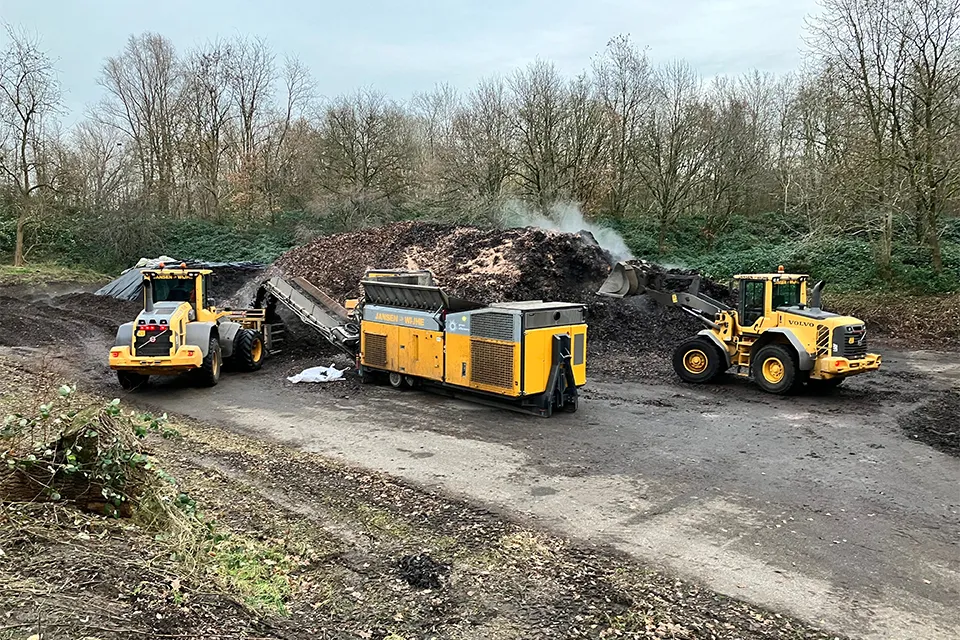
Bokashi has delivered good results in Hellendoorn
Some see it as the holy grail of soil improvers. Mannes Konijnenbelt takes a more nuanced view, but has certainly achieved good results with bokashi and believes it offers a wonderful, environmentally friendly solution in certain situations. Konijnenbelt recently retired, but worked for the municipality of Hellendoorn for fifty years, including as foreman of the nursery and tree crew. Bokashi helped the municipality reduce tree losses.
A passionate tree enthusiast, Konijnenbelt has a wealth of knowledge and is a valued member of the Dutch Dendrological Society. “My love of trees began in childhood. I went to horticultural college, then did a placement in Hellendoorn and was able to start working there as soon as I had completed my training.”
Sandy soil
Most of the Hellendoorn area consists of light, nutrient-poor sandy soil. “If you plant a tree there and do nothing else, it will struggle, especially in summer when evaporation is very high. To prevent tree losses, which are costly, the municipality decided to use bokashi.” Bokashi means ‘well-fermented organic material’. It is a Japanese technique in which green waste is fermented in airtight conditions to create a nutrient-rich substrate that promotes overall soil health. “The layer of bokashi acts like a blanket, protecting the soil from wind and sun so that soil life functions much better. It also prevents soil compaction.”
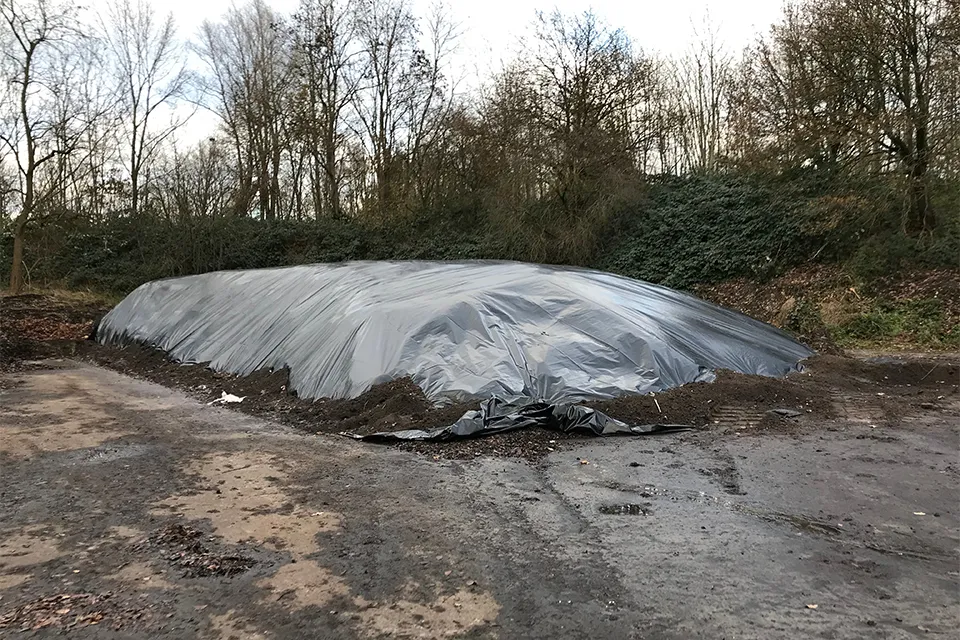
The municipality makes bokashi from leaf waste collected in autumn. “Mixing it with a preparation of micro-organisms and crushed seashells gets the fermentation process under way. After around six to eight weeks, it is ready to use. We saw that both younger and older trees did well with it.
Planting beds
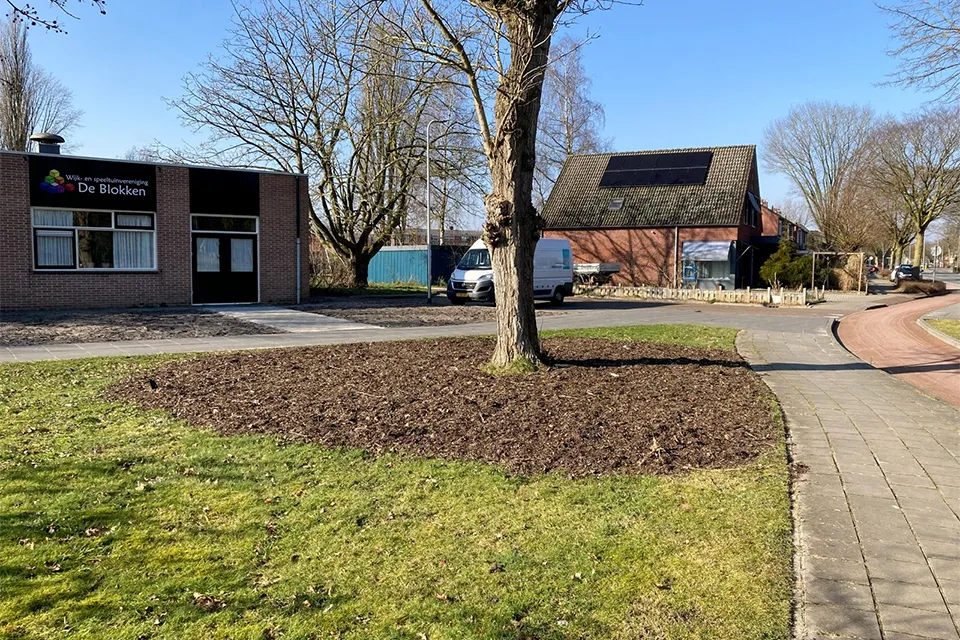
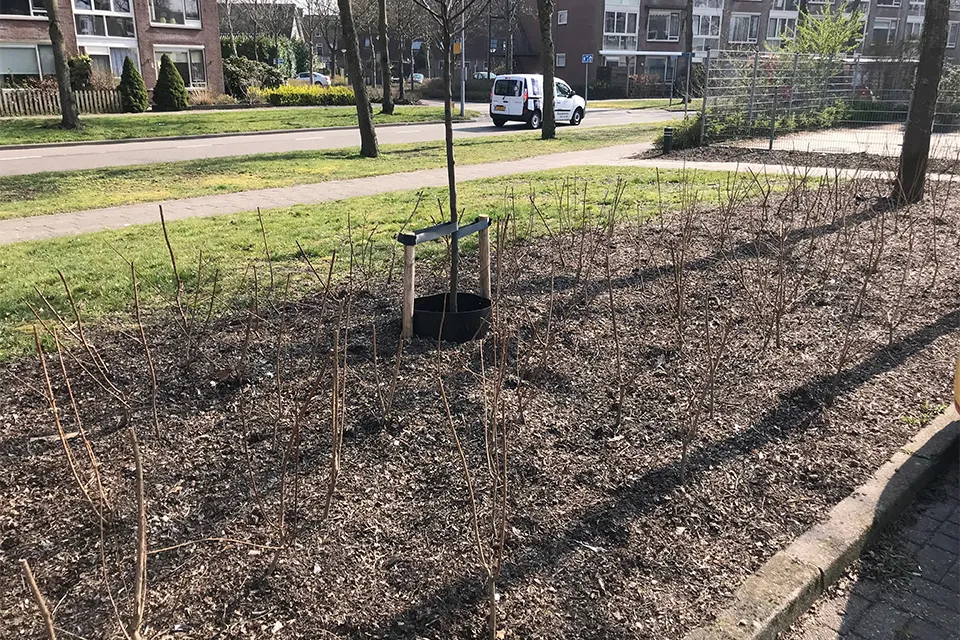
“My former colleague also started using it in planting beds to cover bare patches. As a result, they need to hoe less than before. The downside, however, is that if weeds do appear, they have to be pulled rather than hoed. On the other hand, bokashi gives borders a neat appearance thanks to its attractive dark black colour. I used bokashi on the poor soil in my own garden, and the result? It was like night and day! I would advise against using too much, though, as it takes quite a lot of oxygen from the roots.”
Limitations
It is not all praise, however: “We also used bokashi around several old oaks, and they did not respond well. Oaks need a certain level of soil acidity. Sandy soil and bokashi have a low pH, so we probably disrupted the balance. A thinner layer might have helped, though. An old beech in the cemetery, on the other hand, responded very well. But I have had a bad experience with ornamental apples. In autumn, we applied a thick layer of bokashi, which turned out to attract field voles. The result was considerable feeding damage. The problem probably would not have arisen in spring, when the mice can eat grass again. So it takes a bit of trial and error to find out what works and what does not. And learn from other users,” is Konijnenbelt’s final tip.
Japanese for fermentation
Bokashi (from Japanese) is the name for the process, or its end product, in which food waste and similar organic matter are converted into a soil improver through anaerobic fermentation. Other terms used to describe this process include bokashi composting, bokashi fermentation and fermented composting. The process can be used for food waste from households, workplaces and catering establishments: this type of waste normally contains a large proportion of carbohydrates. It can also be used for other organic waste by adding carbohydrates to start lactic acid production.
Since 2020, several pilot projects have been under way in the Netherlands in which the use of Bokashi is being trialled. Water authorities and nature organisations are working with agricultural businesses on Bokashi projects. Many local initiatives have also been launched by livestock farmers, arable farmers, field vegetable growers and bulb growers.
Question about this story? Ask your question
Keep following this
Get an email when a new story is published. No account needed.
- ThemeSoil and water in balance
- SubjectMachinery & equipment