‘Green must be more than a box-ticking exercise’
Text Armand LandmanImage TU Delft, ECHO Urban Design en Bureau B+B
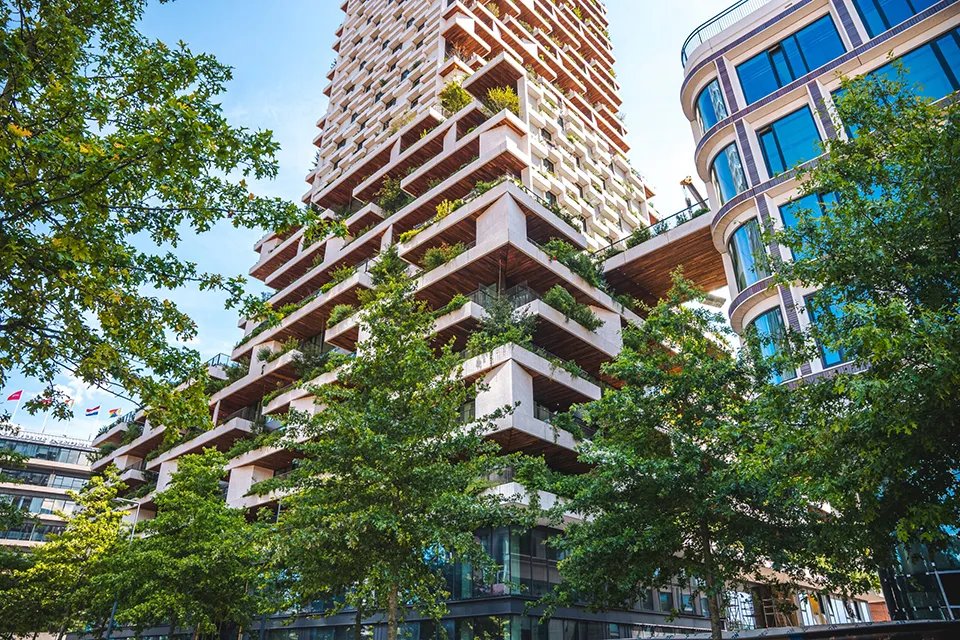
A conversation about the need for green in an urban environment
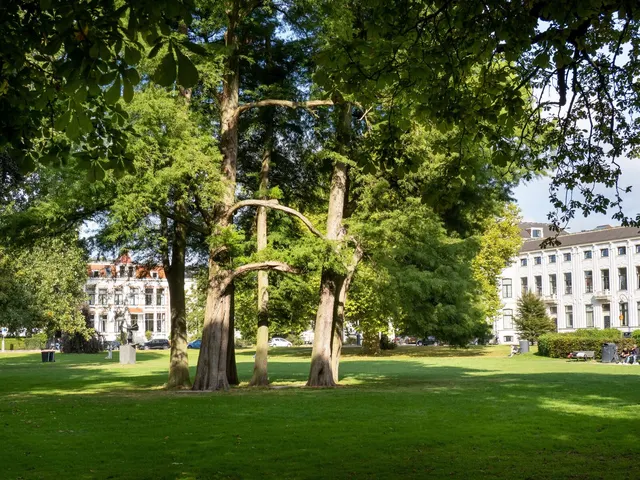
Green is not simply an addition to the city; it is at the heart of a healthy, liveable urban environment. This is the firm belief of Steffen Nijhuis, professor of landscape urbanism at Delft University of Technology, Robbert Jan van der Veen, founder of ECHO Urban Design, and Tomas Degenaar, director at Bureau B+B. In a conversation about the role of high-quality green space in urban planning and landscape architecture, it becomes clear that green space must be more than an aesthetic addition. It is crucial to ensuring the liveability, biodiversity and climate resilience of urban areas.
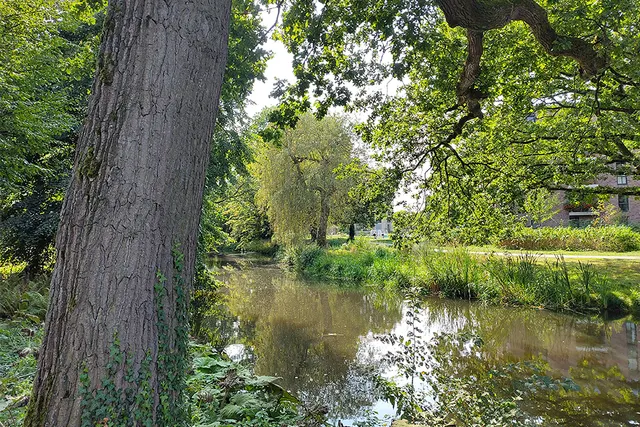
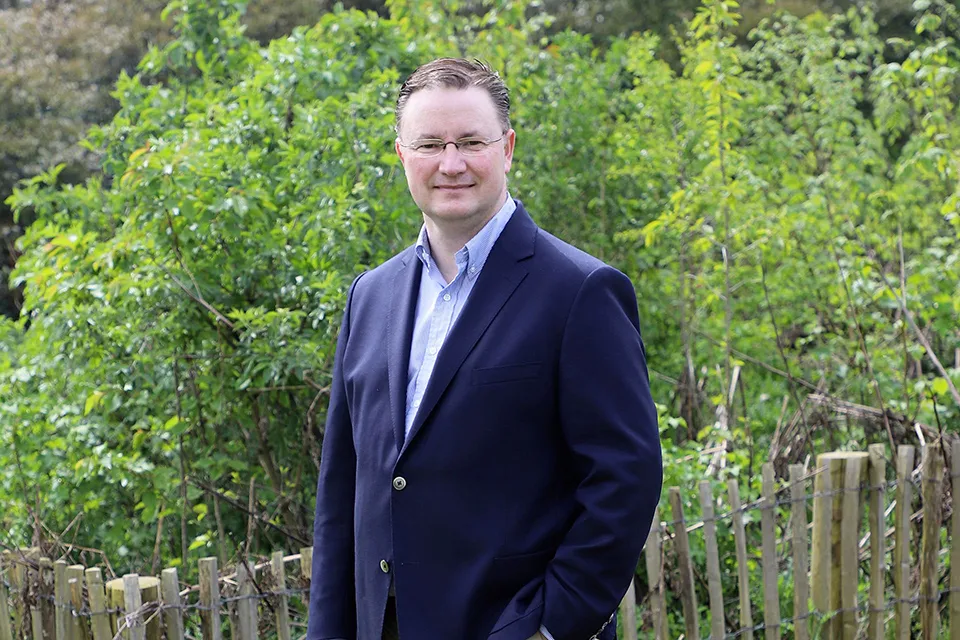
According to the three experts, green space is not just about planting trees or creating parks, but about carefully integrating natural elements into the urban landscape. “Landscape should be the starting point for developing our cities,” says Nijhuis. “That means nature, people and history should form the basis for designing green spaces in the city, building on landscape structures and systems.”
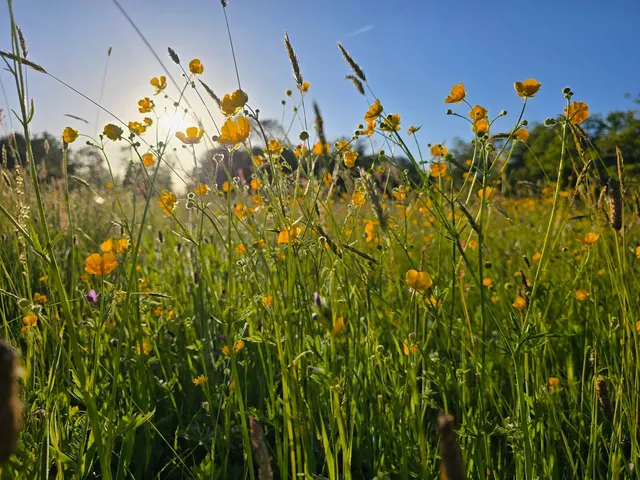
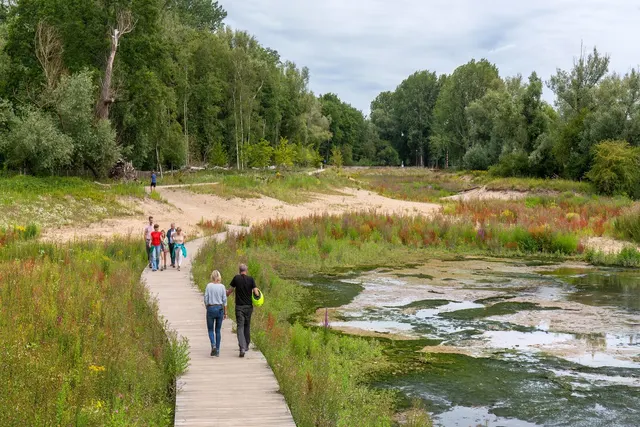
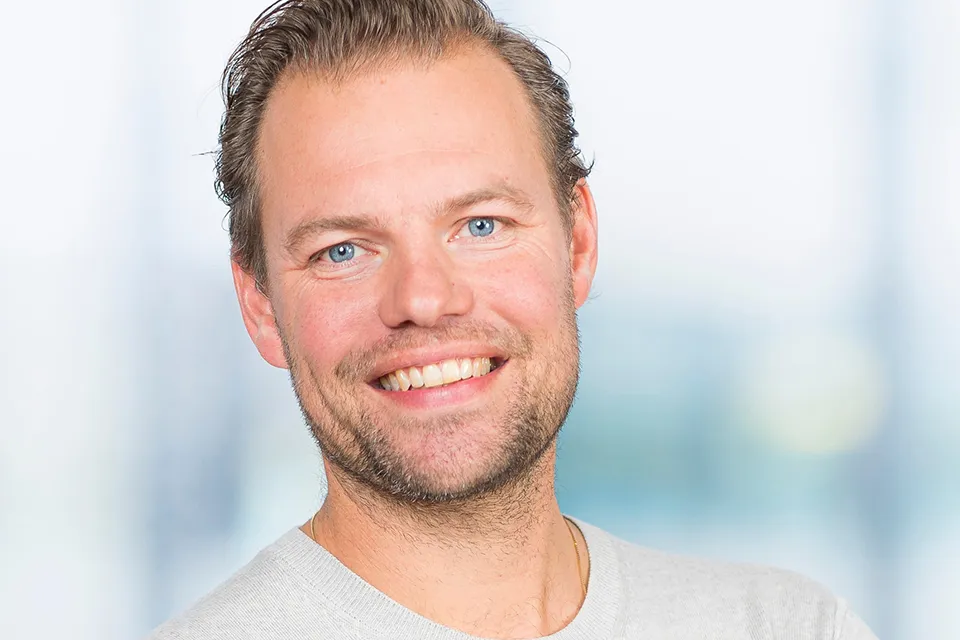
Degenaar adds that it is about more than making urban spaces greener for aesthetic reasons. “The historic character of a place, water management and biodiversity should all play a part in its development,” he stresses. He says the role of the landscape architect must not be reduced to ticking off a ‘checklist’ for green space. “Green space must be functional and contribute to a sustainable urban ecosystem,” says Degenaar. “It is not just about planting trees, but about creating a robust system in which flora and fauna can thrive.”
Close collaboration
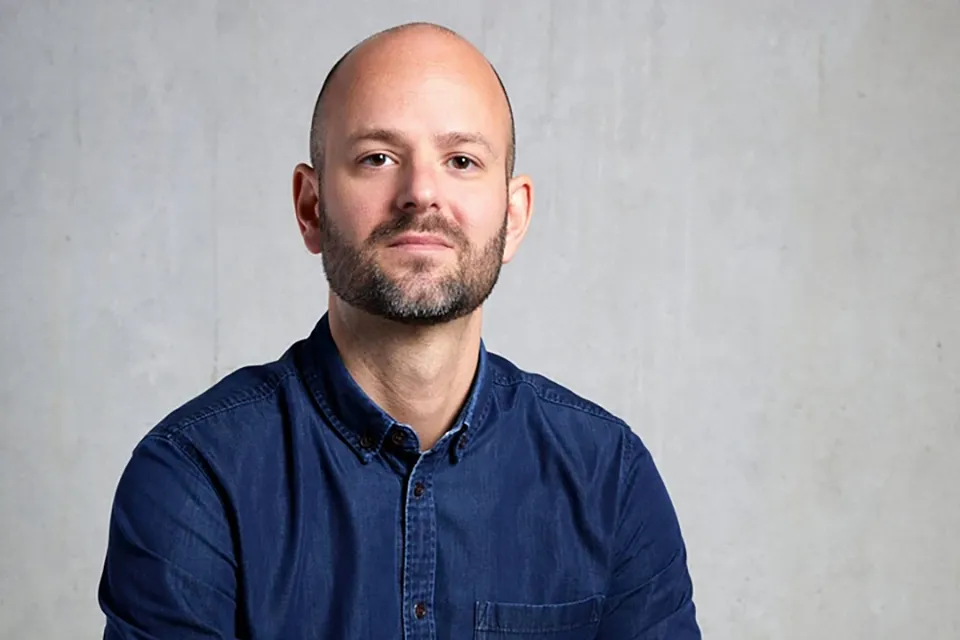
Urban planner Van der Veen describes how he works across both the landscape and the built environment, always in close collaboration with landscape architects to strengthen the interaction between buildings and their natural surroundings. He says it is essential for landscape architecture to take the lead in the design and development process. “Many developers still see landscape as something that can be added later, but we try to convince them that landscape and nature development must be an integral, fundamental part of every urban project,” says Van der Veen.
A recurring theme in the conversation on the TU Delft campus was the tension between the short-term outlook of many clients and the need to take a long-term view of green space development. Nijhuis stresses the importance of looking beyond the four-year political cycle. “Green space brings benefits not only in the short term, but also contributes to liveability in the long term,” he says. “We need to move away from the idea that green space is a luxury and recognise that it is a necessity.”
Degenaar adds: “That is the only way we can persuade clients to invest properly in high-quality green space.” He points out that well-designed and maintained green space in cities contributes to a healthier living environment and should support robust ecological connections. “We all want to live in neighbourhoods with attractive, sustainable green networks, and the promise of our profession, to use these networks as an integral way of tackling problems, must be central to both designers and clients.”
A fundamental component
Van der Veen underlines the point: “When landscape is part of the planning process from the outset, we can not only improve liveability, but also tackle problems such as flooding and heat stress effectively.” He adds that collaboration between different disciplines is key to the success of such green urban projects. “It is not enough just to design; we also need to take joint responsibility for the entire process, from idea to implementation.”
Nijhuis adds: “It requires a cultural shift. We need to move away from a focus on quick gains towards a broader vision that recognises the value of a liveable, resilient city. That means investing in the future, even if the benefits are not visible for years.” Degenaar adds that it is not just about large green structures, but also about making use of smaller opportunities within the city.
“Every small green intervention should contribute to the bigger picture. Whether it is green façades, roof gardens or pocket parks, all these elements can enhance biodiversity and improve the wellbeing of the urban population,” says Degenaar. “With this approach, we can create a fine-grained network of green space that is not only functional, but also has a direct, positive impact on residents’ quality of life.”
Management and maintenance
According to the three experts, collaboration and awareness are key to success. Building strong alliances between urban planners, architects, landscape architects and green-space companies is crucial.
An important aspect of high-quality green space is its management and maintenance. Degenaar stresses that without proper maintenance, the value of green space can quickly be lost: “Creating high-quality green space is only the first step. Just as important is safeguarding that quality over the long term through sound management and maintenance.” He points out that this is often underestimated or seen purely as a cost, whereas good maintenance helps ensure the longevity of green infrastructure in the city and, in turn, the sustainability of the city as a whole.
Van der Veen adds: “The management of our urban landscape should be seen as an integral part of urban development. Many designers and developers focus too much on installation, whereas maintenance is the key to lasting success.” He notes that many cities allocate too little funding for long-term maintenance, causing green spaces to quickly fall into disrepair and no longer feel pleasant to use. This also creates a risk of socially unsafe places emerging. “We should strive for a system in which management and maintenance are secured from the outset in the design plan, for example through collaboration with local communities or private parties that can share responsibility.”
Nijhuis advocates training more professionals who specialise in designing, planning and managing urban green space. “It is essential to invest in people with the knowledge and skills to shape urban green spaces well and place green projects within a broader landscape context. That is the only way we can safeguard the sustainability and quality of our urban green spaces.” “Landscape must take a leading role in the design process, not as an addition, but as an integral part of the landscape-based city of the future,” concludes Van der Veen. “That is the only way we can develop cities that are liveable, climate-resilient and visually attractive,” Nijhuis concludes.
KuiperCompagnons
“At KuiperCompagnons, we do not simply design a physical space. We want to create a place where people truly feel at home,” says Michael de Beer, who works as an urban designer and architect at the oldest design firm in the Netherlands. For more than a century, KuiperCompagnons has helped shape the living environment of millions of people. According to De Beer, modern urban planning is about finding a balance between aesthetics, sustainability and residents’ wellbeing. “You always need to consider several layers in your design. Spatial quality is important, but so is how people can relate to a place. Think of accessibility, biodiversity and, above all, the future-proofing of a design.”
Wouter Vos, programme director of Liveable Cities at KuiperCompagnons, stresses that liveability goes far beyond creating an attractive street or planting trees. “It is about the overall experience,” says Wouter. “The combination of mobility, infrastructure, sustainability and social integration determines how pleasant a city is to live in.”
Hélène van Dooremolen, public realm designer at KuiperCompagnons, emphasises the power of green space. “Public green space is more than a decorative feature; it is fundamental to the wellbeing of a community,” she says. “Residents are becoming increasingly aware of the need for green space in the city. Climate change is forcing us to rethink how we design public spaces.” Van Dooremolen explains how she works with residents and local organisations on recent projects to ensure that neighbourhood green space meets the community’s needs. “This participatory process gives residents a genuine sense of ownership, which in turn strengthens social cohesion,” she explains.
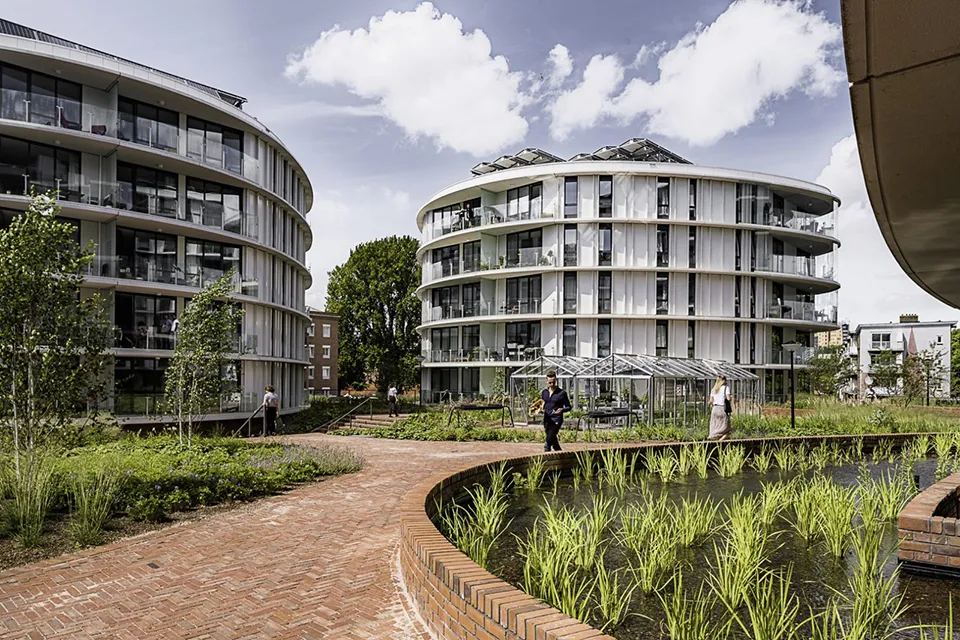
According to Vos, the climate transition is working in the designers’ favour. “The climate debate is a huge help, because we can now scientifically demonstrate that more green space contributes to a better living environment.”
That scientific evidence has led KuiperCompagnons to use nature as the starting point for urban design more and more often. In the new Skoatterwâld neighbourhood in Heerenveen, for example, landscape development came before urban construction. “We developed the green structure first,” says Vos. “It was a relatively small investment in the overall project, but it has enormous value for the living environment that was ultimately created.”
Tangram Architekten, de Architekten Cie. and SBB
Builder and developer SBB, based in Beverwijk, is known in the Randstad for its green projects. It is no surprise that leading architectural practices are keen to work with the company. Not least because SBB understands that green space is not something to cut back on during the years-long development and construction process.
Bart Mispelblom Beyer, architect and partner at Tangram Architekten, worked with SBB from the outset on the much-praised Rhapsody in West, a publicly accessible urban oasis with a park-like character in the capital. At Rhapsody, green space and water were successfully integrated into the design from the very beginning. Often, things are done differently, with too little thought given to how nature can truly be given a place where it can thrive. Mispelblom Beyer calls this ‘wishful drawing’, designs that are overly optimistic and fail to take practical feasibility into account. “We too often see beautiful sketches that ultimately prove impossible to realise because of technical or budgetary constraints. That often leads to disappointment.”
“If green space is not integrated into the design from the outset, it often becomes an expensive addition or is cut in the final stages,” says Jeroen Marsman, managing director at SBB. He notes that green space can indeed add value to the sale price of homes, particularly in the long term, when residents are demonstrably healthier and happier. “However, in the current housing market, consumers do not yet seem willing to pay extra for it. But for investors seeking sustainability and low tenant turnover in their properties, green space can prove a profitable investment over time.”
Question about this story? Ask your question
Keep following this
Get an email when a new story is published. No account needed.
- SubjectPublic green spaces