‘There are great opportunities here for green-space professionals’
Text Carolien KleesImage Fos Fotografie/IVN
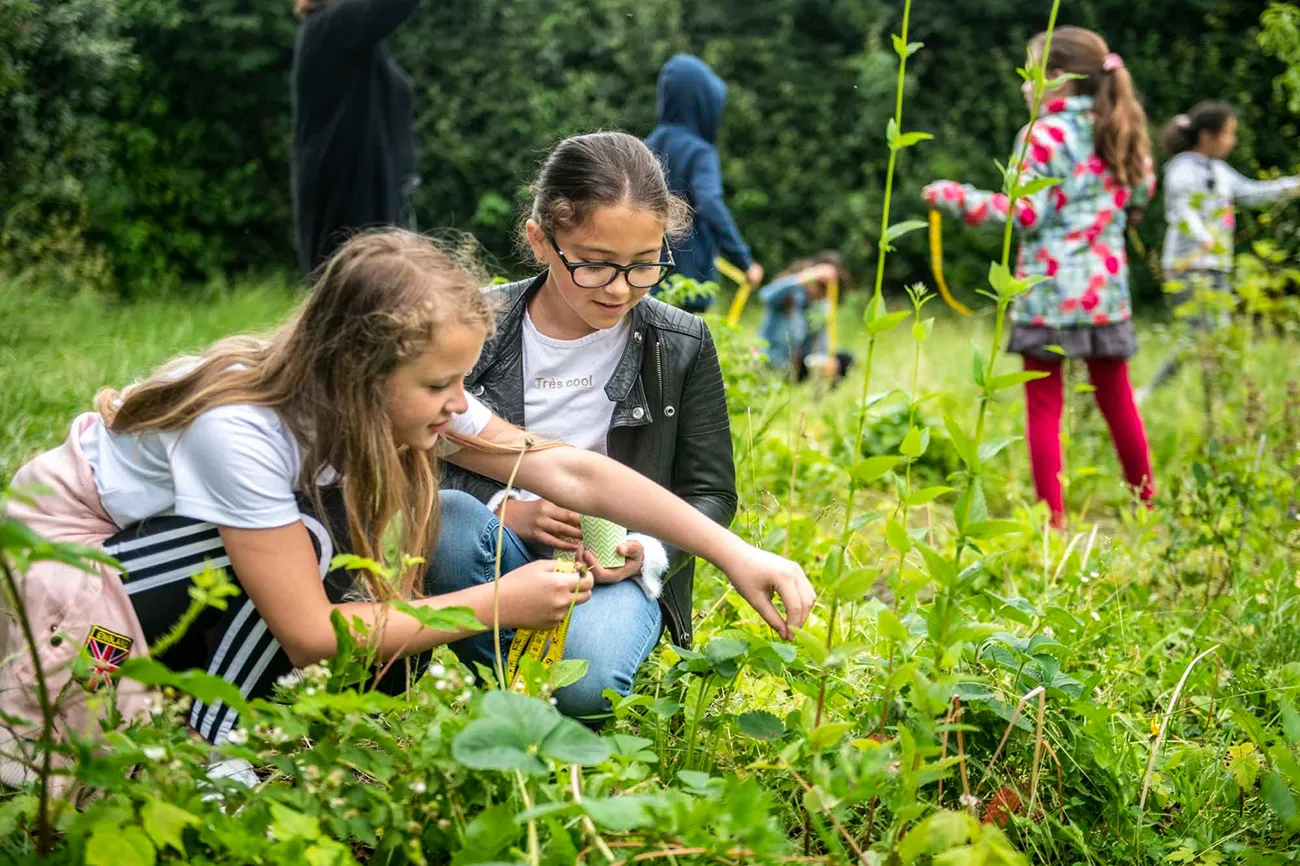
IVN is campaigning hard for green school grounds
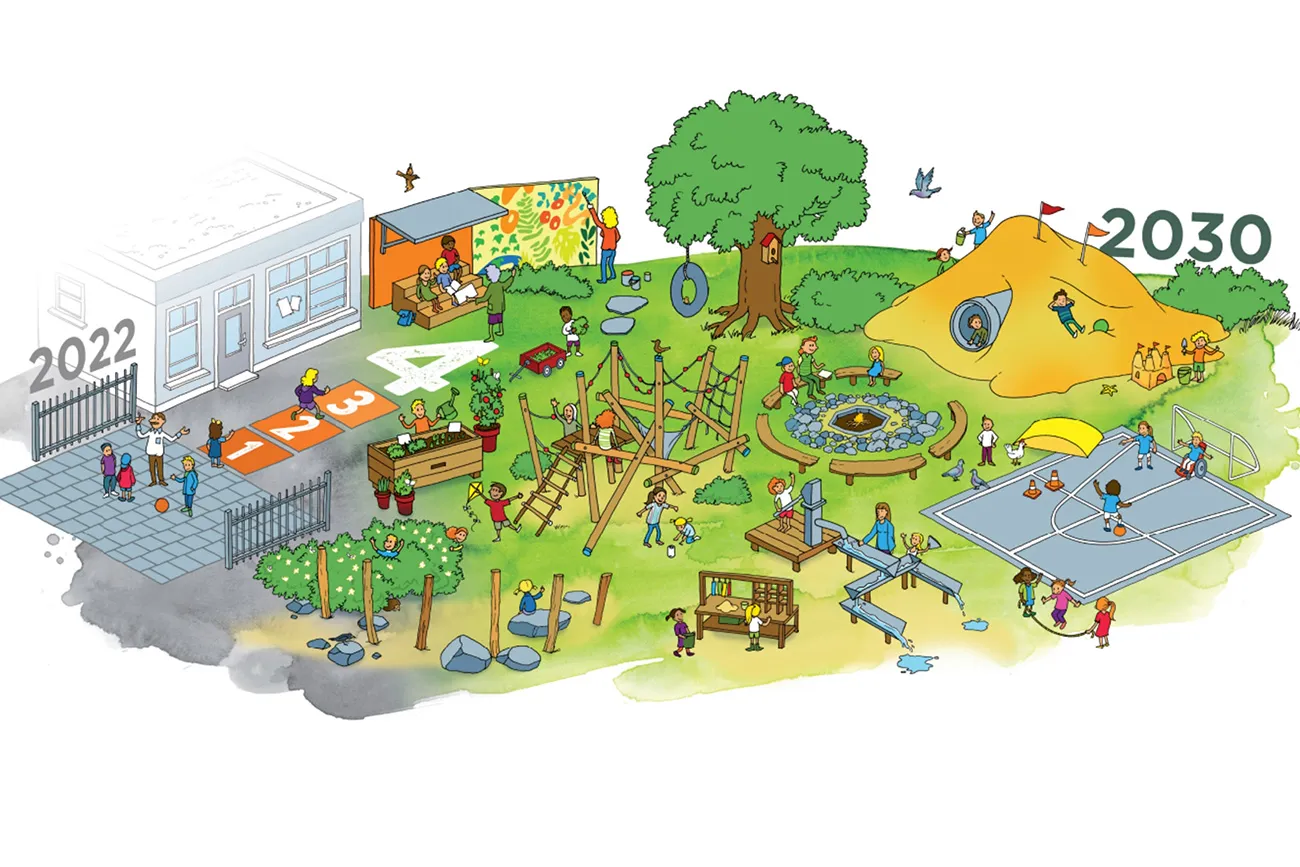
The green revolution began in 2018 at a primary school in Zeeland, where the school grounds were transformed and paving stones made way for greenery. At the time, no less than 80 per cent of all Dutch school grounds were paved. IVN Natuureducatie therefore launched the ‘Green Revolution in the School Grounds’ campaign. It has been a success: the number of green school grounds has doubled since then. But there is still a long way to go, and IVN is working hard to ensure that every primary school has a healthy, green outdoor space by 2030. This is a wonderful opportunity for green-space professionals!
Hundreds of thousands of pupils spend their break every day in school grounds that are entirely grey. On hot days, the paved surfaces often make it too hot to play. And when it rains, the many puddles leave little room for fun. “At present, 60 per cent of school grounds are grey. Our aim is to turn these paved deserts into green oases by 2030. Ambitions like these can only be achieved by working closely with others. That is why we work with every possible partner. Nine provinces now have a grant scheme,” says Vincent van der Veen, programme manager for Children and Nature at IVN.
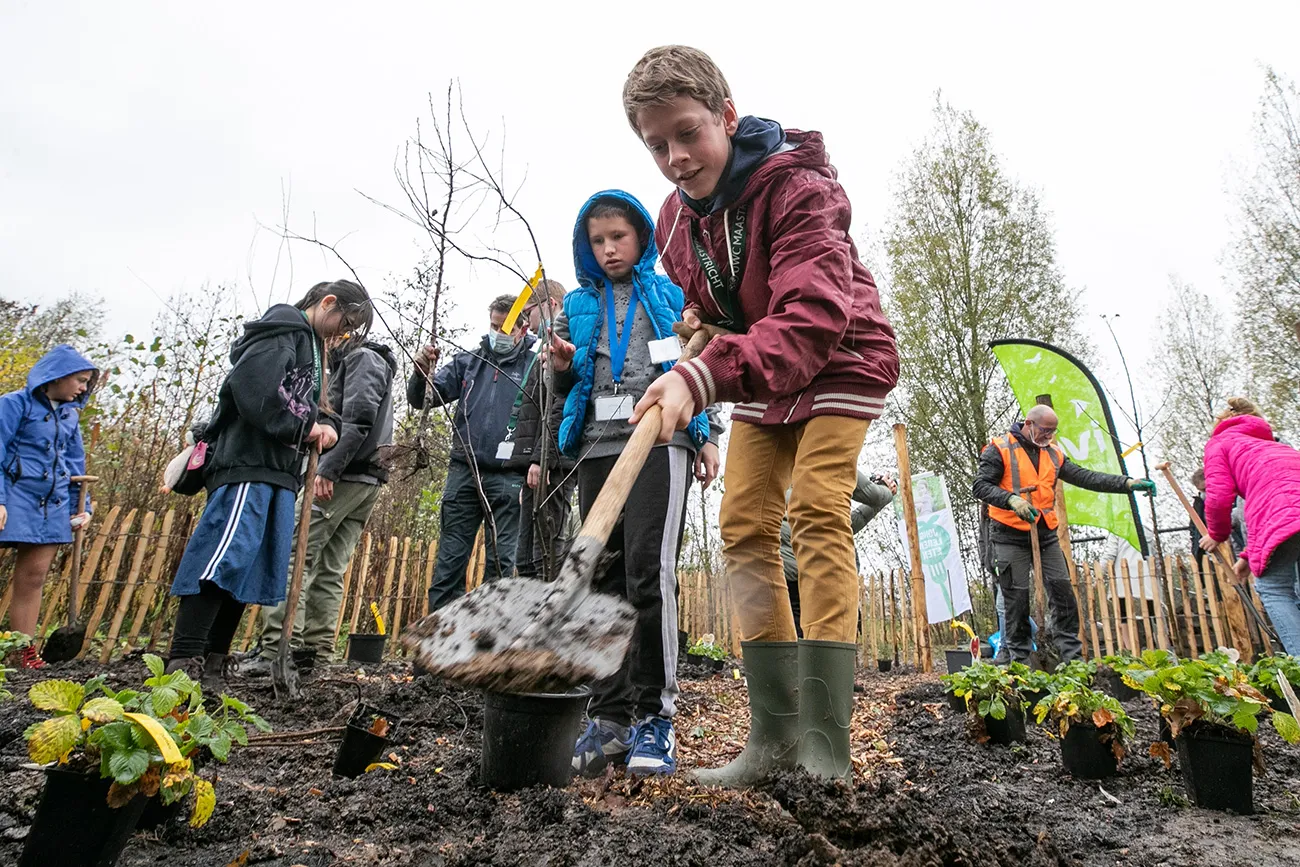
Why green school grounds matter
Several studies have shown that green school grounds are important for pupils’ healthy development. They make children happier and improve academic performance. Pupils also experience less stress, and there is even less bullying on green school grounds. Green spaces are also vital for biodiversity and climate adaptation. And their educational value should not be underestimated. Green school grounds can give nature education and physical education a more substantial role. “Here, we can lay an important foundation for a generation that will be confronted with issues such as biodiversity and climate adaptation throughout their lives. However, knowledge of nature is far more likely to stick when it is gained outdoors, surrounded by greenery. That is when nature ‘comes alive’ for children. This does not happen in a classroom with the help of a textbook. A well-designed outdoor space also offers plenty of opportunities for physical education, which often receives too little attention, partly because of a shortage of sports halls. It is also vital that playing and learning outdoors stimulates the imagination. This helps children develop creativity and resourcefulness, qualities that will matter later in life.”
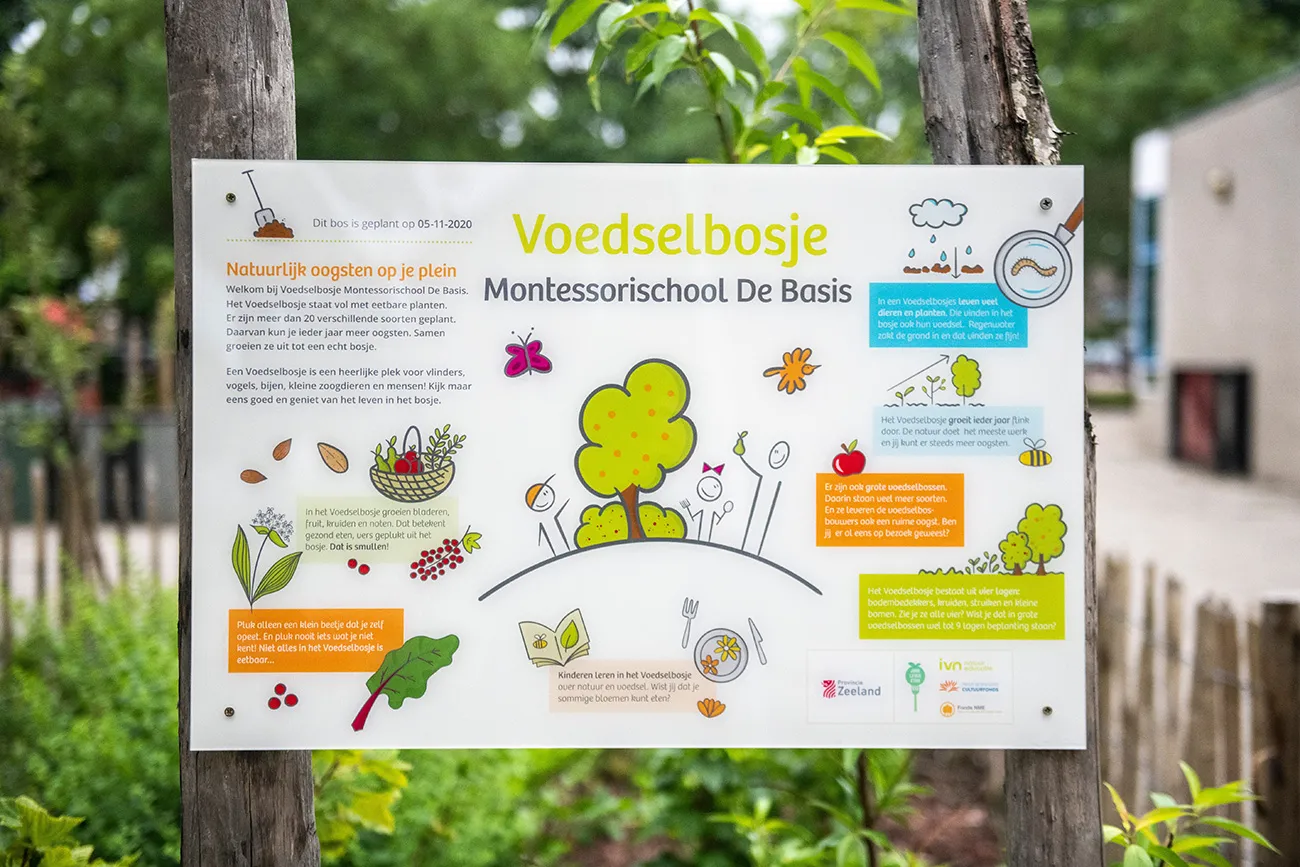
An opportunity for green-space professionals
To achieve its goal, IVN has invested heavily in providing schools with good support. It has, for example, produced a comprehensive step-by-step guide packed with useful information and tips. “Because it can be quite difficult to produce a good design, our guide recommends bringing in a professional. A skilled designer, such as a landscape gardener, knows which plants will thrive at a particular site. They also have expertise in areas such as biodiversity. Of course, green school grounds need to be maintained, and we encourage schools to agree maintenance arrangements with the landscape gardener from the outset. My message to green-space professionals is: invest in your knowledge and skills, because there is definitely a future in this. We have seen landscape gardeners successfully approach schools themselves on several occasions.
We have also put together supporting documentation for green-space professionals.”
A calling card
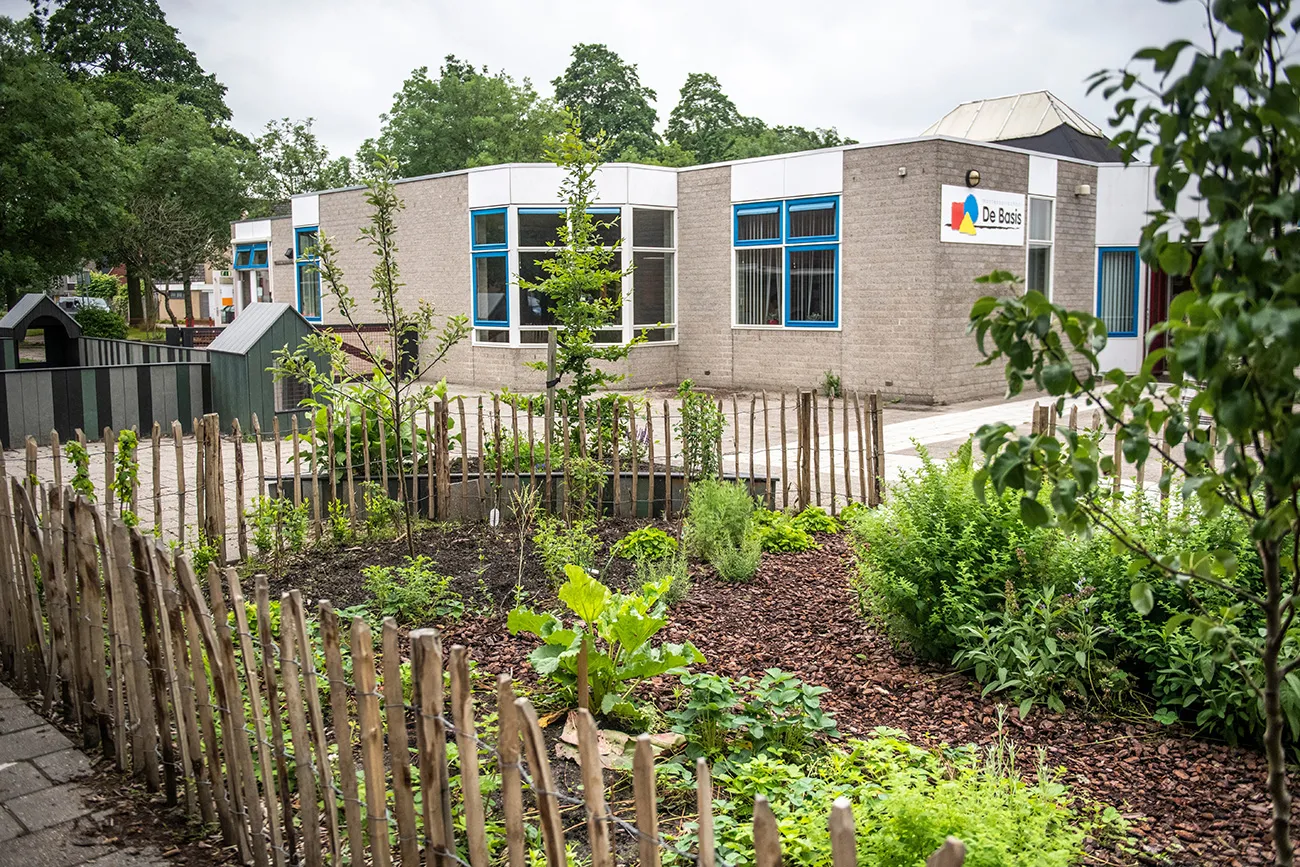
In recent years, more and more grants have become available to green school grounds, from provinces and local authorities to foundations, neighbourhood initiatives and GGD public health services. “There is also plenty of collaboration. For example, landscape gardeners offer discounts in return for publicity. This might take the form of a sign on the school gate saying: ‘These green school grounds were created in partnership with Hovenier Jansen.’ We also regularly put up banners at schools to let passers-by know that the school grounds are being greened. These banners display the logos of the organisations involved. Another tip I can offer green-space professionals is to transform the school grounds in stages, spreading the costs over time. In short, there are plenty of opportunities to make this a win-win situation. After all, green school grounds, or the provision of high-quality nature and physical education, are also a fantastic calling card for schools. Only 15 per cent of primary schools receive the maximum five stars from parents and teachers for nature on the school grounds, while a further 63 per cent receive no more than two stars.”
The wider community benefits too
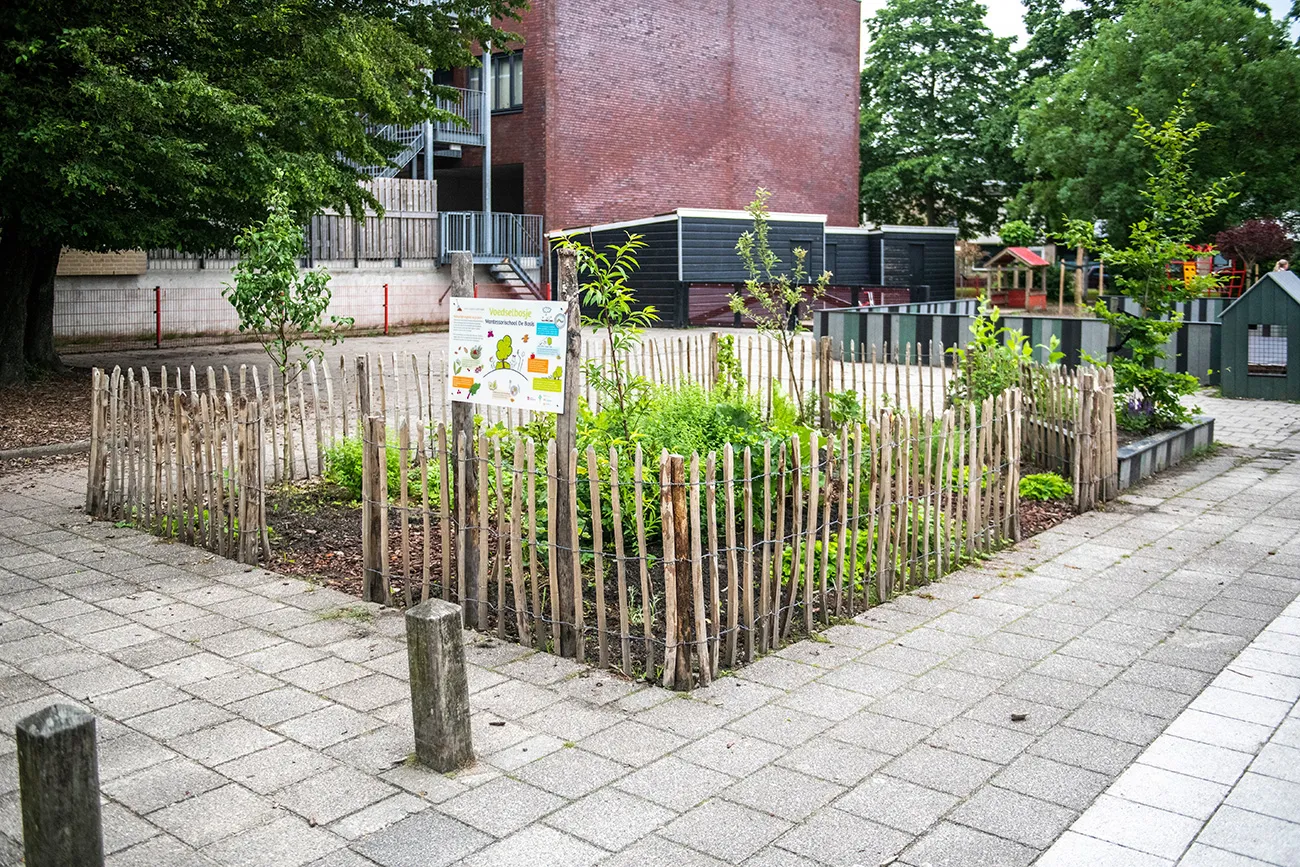
Van der Veen illustrates how greening school grounds benefits more than just teachers and pupils with two wonderful examples: “Basisschool De Meidoorn in Nisse is in a small village in Zeeland. The school had seen such a steep decline in enrolment that it was at risk of closure. In 2020, they decided to take a different approach and make the outdoor space central to their educational vision. They brought in a designer and involved the whole village in transforming the school grounds. It was such a success that they even received the Zeeuwse Onderwijsprijs. This strong profile prompted new pupils to enrol from across the surrounding area. Pupil numbers grew enormously, and closure was averted.” Van der Veen’s other example is basisschool De Vlinder, located in a so-called challenging neighbourhood in Rotterdam. It is a heavily paved area that faced many social problems. “In consultation with a designer and the local authority, the school was given responsibility for managing the outdoor space. It was then completely transformed and has since become the neighbourhood’s living room, where parents meet and children from across the neighbourhood come to play. The area has flourished, and most of its problems have now disappeared. These two examples show that well-designed green school grounds can make a significant difference in both cities and rural areas.”
Question about this story? Ask your question
Keep following this
Get an email when a new story is published. No account needed.
- SubjectPublic green spaces