‘We exist thanks to nature, not the other way round’
Text Armand LandmanImage Peter Bulsing
Call for new green policy putting biodiversity centre stage
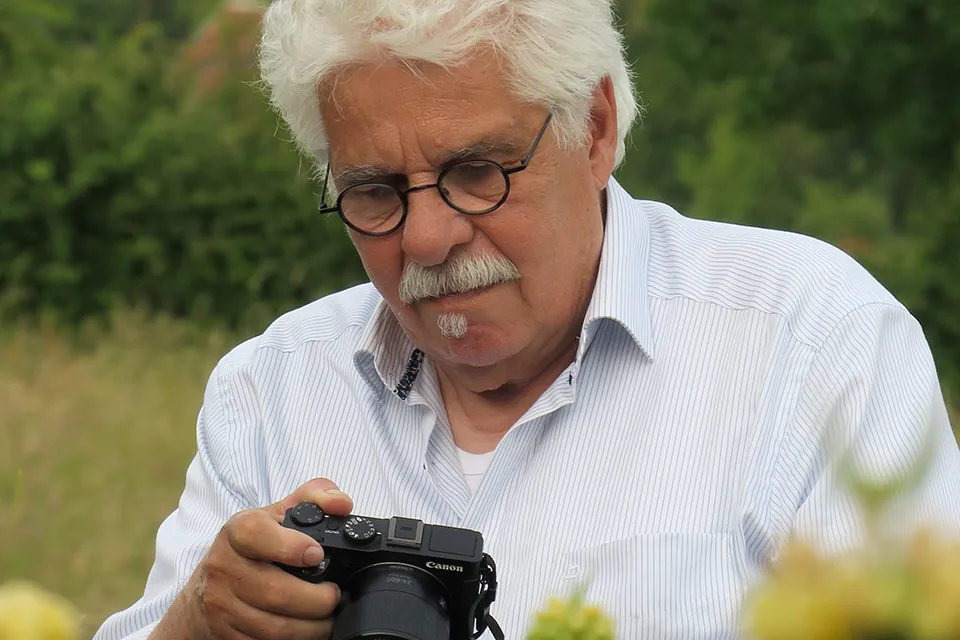
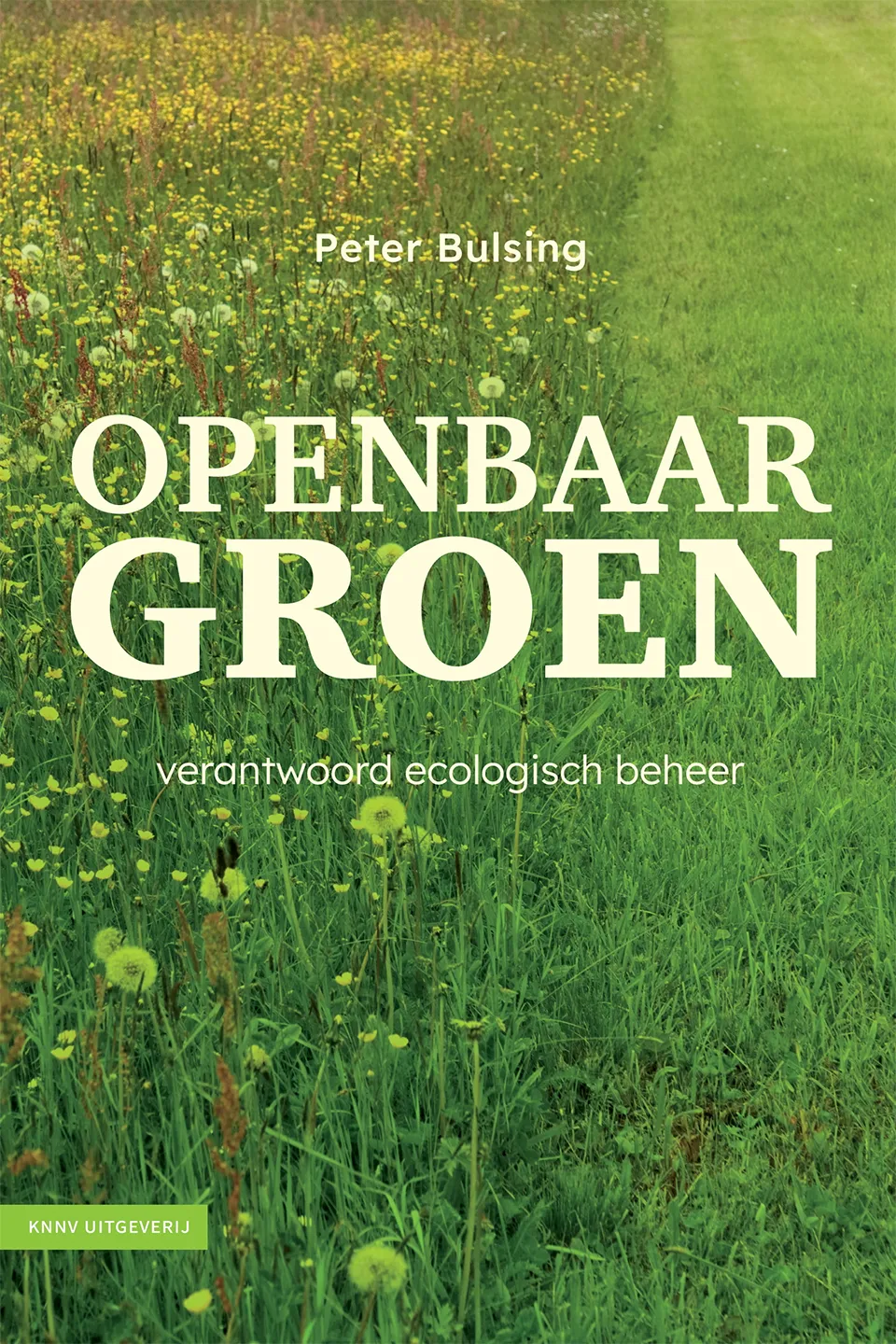
Peter Bulsing, author of ‘Public green spaces: responsible ecological management’, is a passionate advocate of ecological green-space management. In his latest book, he shares his concerns and solutions for conserving Dutch nature, and does not shy away from highlighting the issues. Bulsing stresses that preserving green spaces plays a fundamental role in the wellbeing of people and animals, and that the current approach to green-space management falls short in most municipalities.
“We exist thanks to nature, not the other way round,” Bulsing says emphatically. He expresses his frustration with the way green-space management in the Netherlands has been outsourced and is often carried out by companies without ecological expertise. He argues that this leads to ecological impoverishment and a loss of biodiversity. Bulsing points out that green-space workers used to have a personal connection with their work and knew exactly which plants grew where and how they should be maintained. In his view, this knowledge and commitment have been lost as a result of budget cuts and outsourcing to commercial companies.
Mowing policy
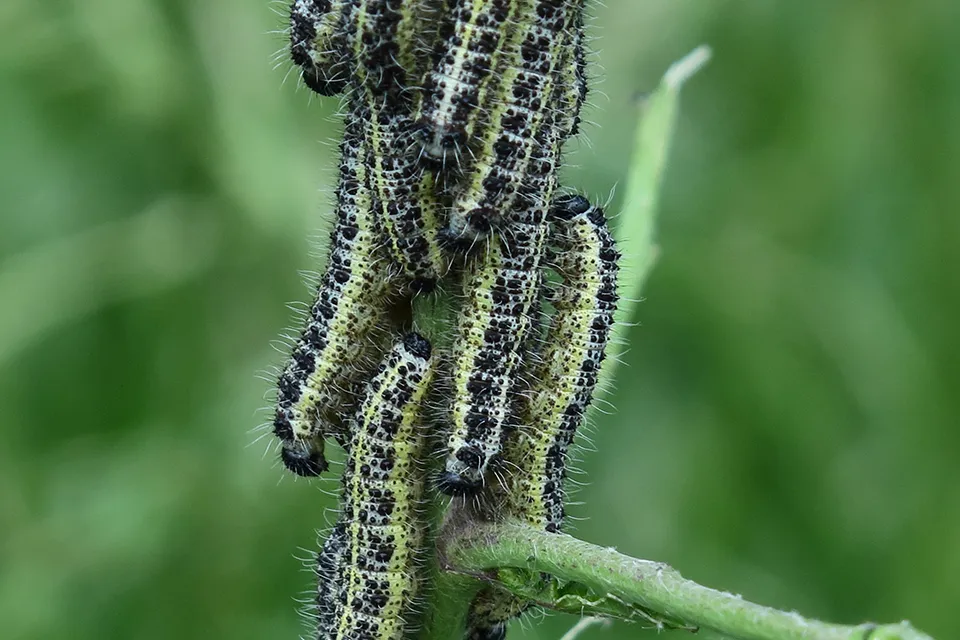
Bulsing’s book offers a detailed examination of Dutch nature and its vulnerabilities. He explains that invertebrates, such as insects, play a crucial role in the ecosystem, and that current mowing practices have a huge impact on these species. “Current mowing practices are causing entire populations to disappear, and without these animals, which underpin the existence of vertebrates, the entire food web collapses,” says Bulsing. He stresses that mowing verges and parks needs to be better aligned with the life cycles of these small but essential animals.
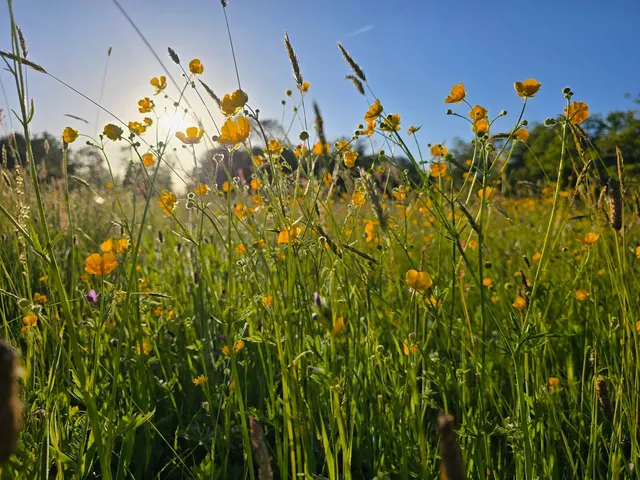
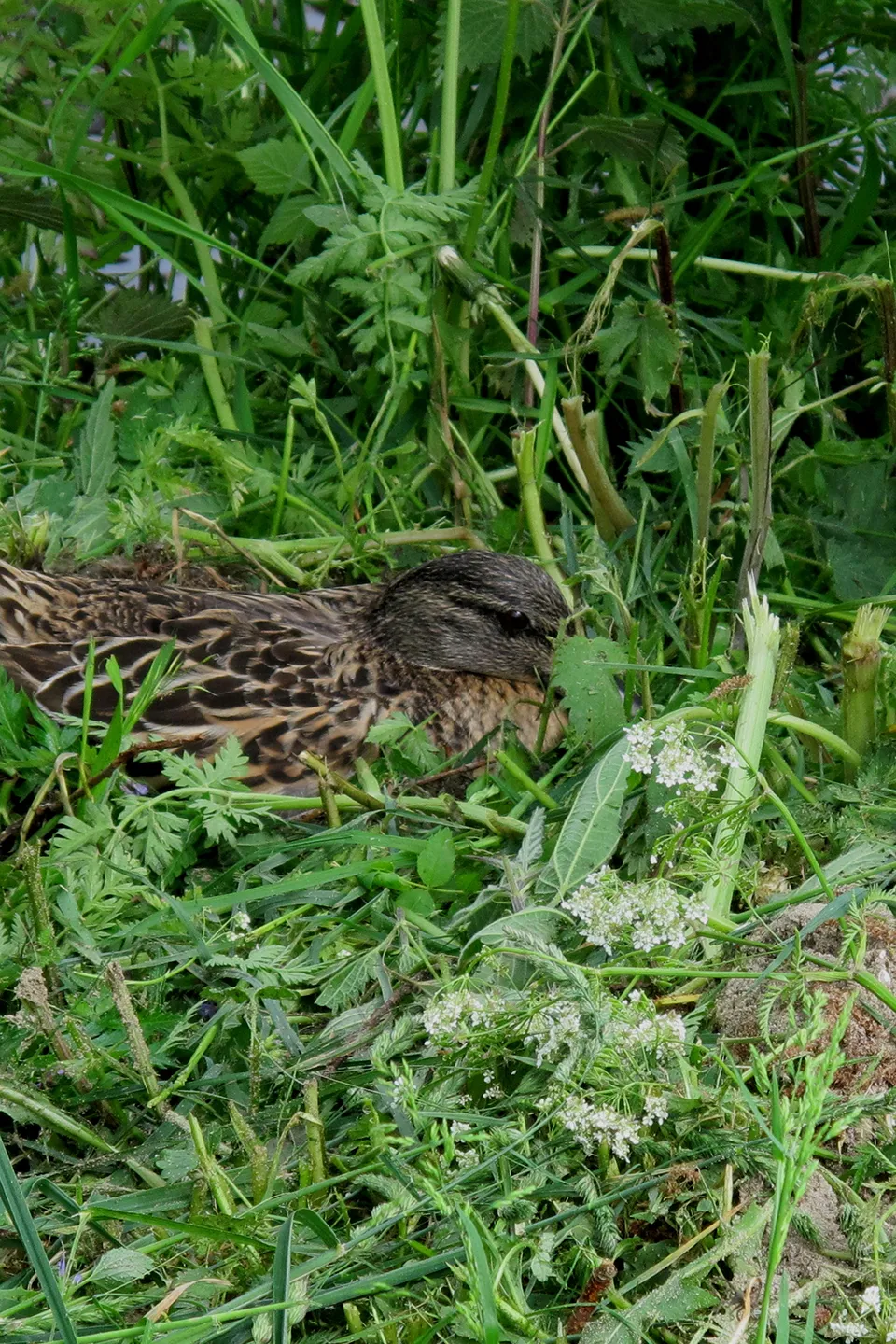
Bulsing goes on to discuss the problems surrounding the management of public green spaces. He explains that many municipalities and contractors focus primarily on aesthetics and convenience, without taking the ecological value of these areas into account. “Public green spaces are often seen as places that need to look neat and tidy, when in fact they can provide essential habitats for countless species,” he says. He argues that current policy is often geared towards short-sighted solutions, such as mowing verges frequently to maintain a ‘well-kept’ appearance, even though this has disastrous consequences for biodiversity.
Ecological infrastructure
One important aspect Bulsing highlights is the concept of ecological infrastructure. He explains that connecting green spaces is vital to conserving species. “Small, isolated patches of nature are vulnerable and do not provide enough living space for many species. It is important to connect these areas so that animals and plants can move and spread,” says Bulsing. This is already being done for larger animal species with wildlife crossings. Now it is the turn of invertebrates. Only adult insects, after metamorphosis, are winged. Known as imagoes, they are the final stage in an insect’s development. Invertebrates are not winged during the larval or nymphal stages, the longest phase in an insect’s development, so their range is very limited. This must be taken fully into account when creating these connections.
Solutions
Alongside his criticism, Bulsing also offers hope in the form of solutions. He calls for better communication with the public and more education, so that people become more aware of the importance of green spaces in their immediate surroundings. He gives the example of local residents who, with expert guidance, volunteer to help maintain local nature areas, but notes that this is not enough. “Volunteering is wonderful, but it should be backed by professional support. We cannot rely on a handful of retired volunteers to protect the ecological value of our natural environment,” he says. Bulsing believes municipalities have an important role to play in supporting community initiatives with expertise, resources and coordination. The passionate Haarlemmer also discusses the importance of education, especially for younger generations. “If children learn about the value of nature from an early age, they will be more inclined to protect it later in life,” he says. He calls for more nature education in schools and cooperation with local environmental organisations to introduce children to nature. According to Bulsing, it is essential that children not only learn about nature in the classroom, but also get actively involved in nature projects, such as creating butterfly gardens or looking after a vegetable garden.
Stricter requirements
Bulsing also discusses the government’s role in promoting ecological management. He believes the government should take a much more active role in steering policy towards sustainability and that stricter requirements should be imposed on green-space management companies. “It should be mandatory for companies managing green spaces to have sufficient ecological expertise and to apply that knowledge in practice,” he says. He stresses that green-space management is not just about how parks and public gardens look, but above all about creating a healthy living environment for people and animals.
Bulsing cites the return of the wolf to the Netherlands as a positive example of recovery. In his view, this shows that policy changes can deliver real results. “There is room for optimism,” he says, “but we need to act now. Rather than waiting for global agreements, we should start ecological restoration locally. The return of the wolf shows that nature can be resilient if we give it the chance. It is a sign that recovery is possible even in a densely populated country like the Netherlands, provided enough space and protection are given.”
Successful choices
In his book, Bulsing also refers to international examples of successful ecological management. He mentions projects in Germany and the United Kingdom, where cities have made deliberate choices to increase biodiversity, for example by creating wildflower meadows and reducing pesticide use. “We can learn a lot from our neighbours,” says Bulsing. “It is possible to design urban areas in a way that contributes to biodiversity rather than undermining it.”
Bulsing ends with a powerful appeal to policymakers, businesses and the public. “We must stop seeing green-space management as a cost and start treating it as an investment in our future. Ecological green-space management is even cost-saving, because it is mainly about things you don’t need to do. Conserving biodiversity and creating a healthy living environment, including for the very smallest living things, matter not only for animals and plants, but also for our own wellbeing,” he says. He stresses that everyone has a part to play, from municipal policymakers to residents making their gardens more wildlife-friendly. “Every little helps, but we need to start now.”
Title: Public green spaces:
responsible ecological management
Author: Peter Bulsing
Publisher: KNNV Uitgeverij
ISBN: 978-90-5011-962-7
1st edition: 2024
About the book: ‘Public green spaces: responsible ecological management’ offers an in-depth look at the role of public green spaces in the Netherlands and how they can be managed better. Bulsing discusses not only the problems, but also offers practical solutions and examples from the Netherlands and abroad.
Question about this story? Ask your question
Keep following this
Get an email when a new story is published. No account needed.
- ThemeNature-friendly green space management
- SubjectPublic green spaces