Garden landscaping & maintenance
Careful logistics for a distinctive roof
Text Nolanda KlunderImage Van der Tol
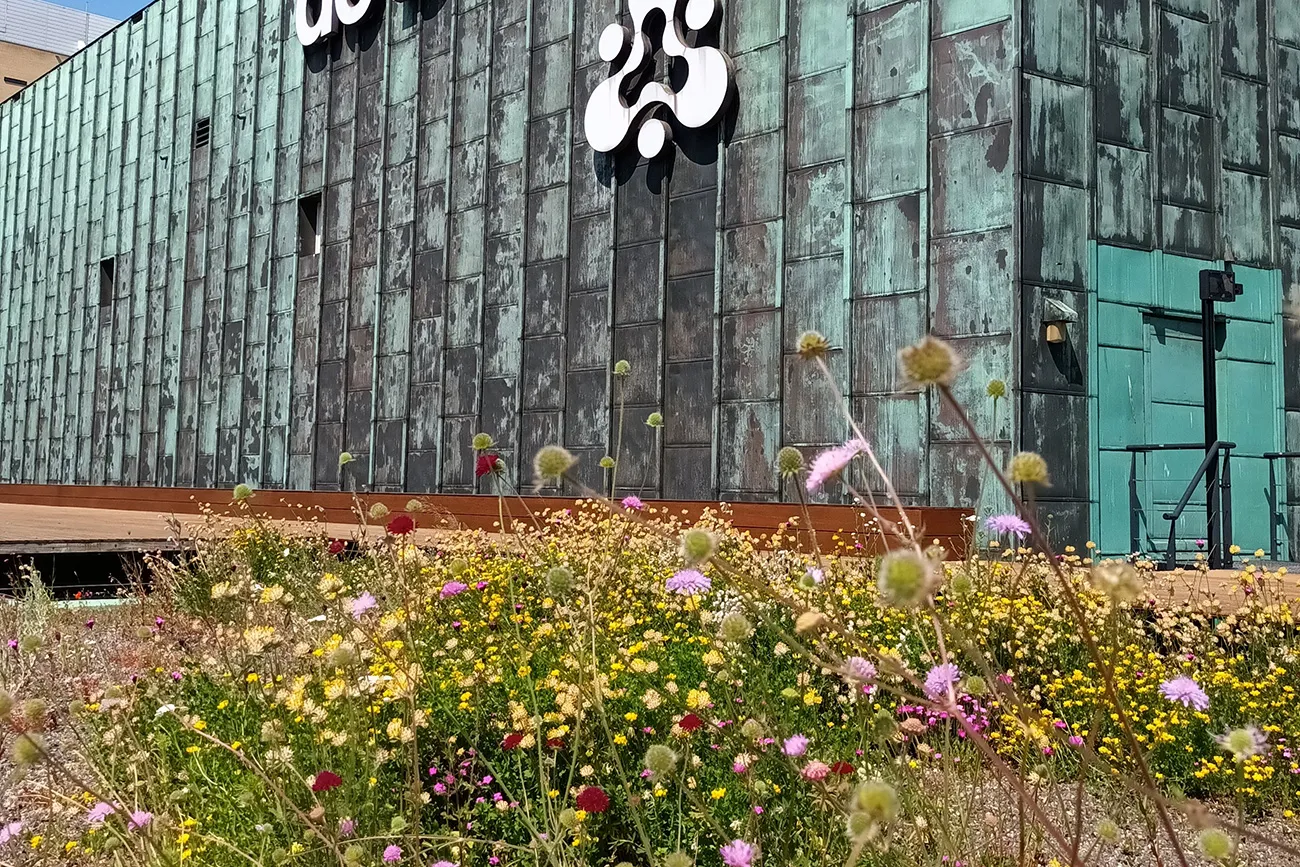
‘A listed national heritage building in the city centre brings serious challenges’
Creating the water-retaining, biodiverse roof at De Doelen required careful logistics. Van der Tol had experienced hands on the project. “For a project like this in the city centre, you need to coordinate closely with both the client and the local authority.”
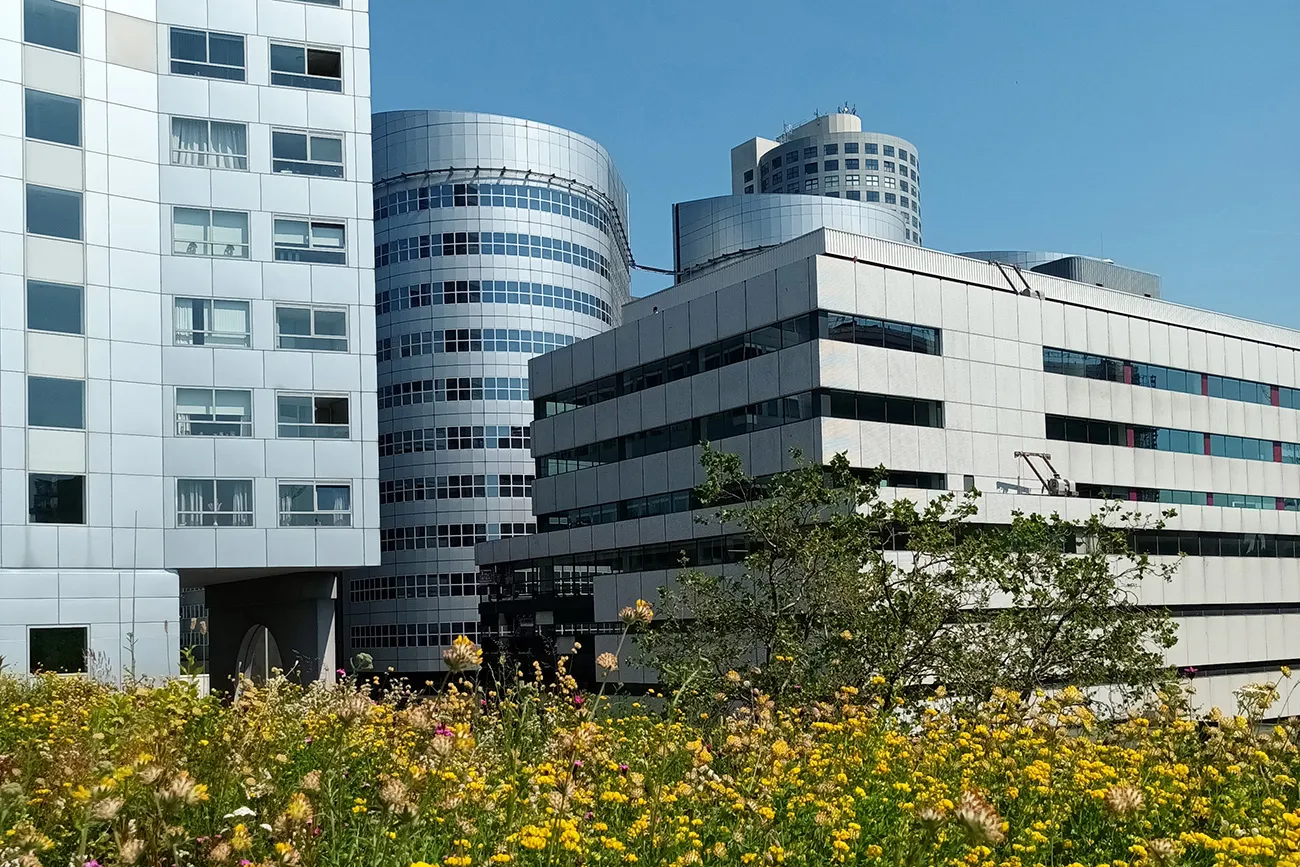
With three branches in the Randstad, in Amsterdam, Utrecht and Rotterdam, Van der Tol specialises in greening the urban environment. “We offer solutions for greenery between, on and around buildings, so we create green spaces at ground level, on façades and on roofs,” says branch manager Ruud Kempen. Creating a green roof at De Doelen was therefore an ideal project for this landscaping company.
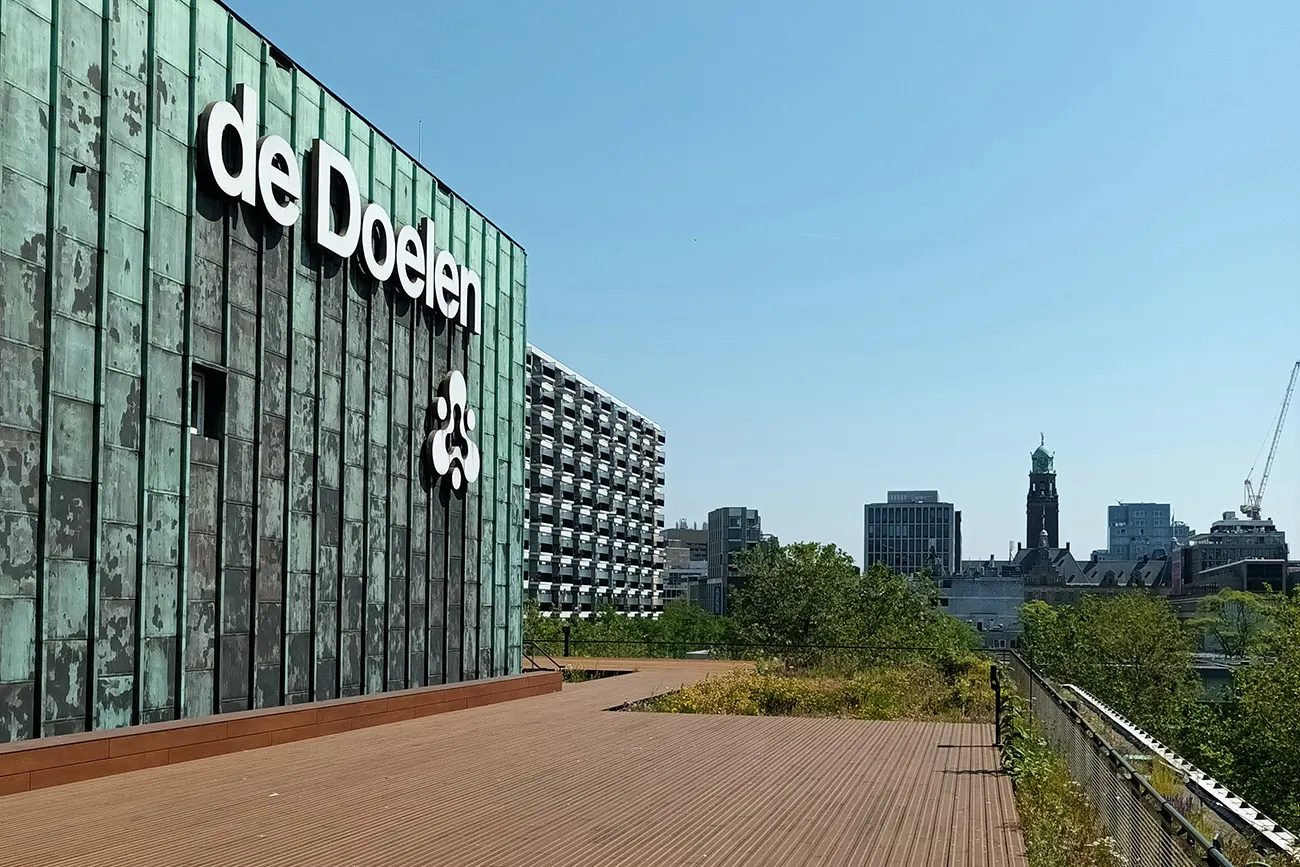
In the city centre
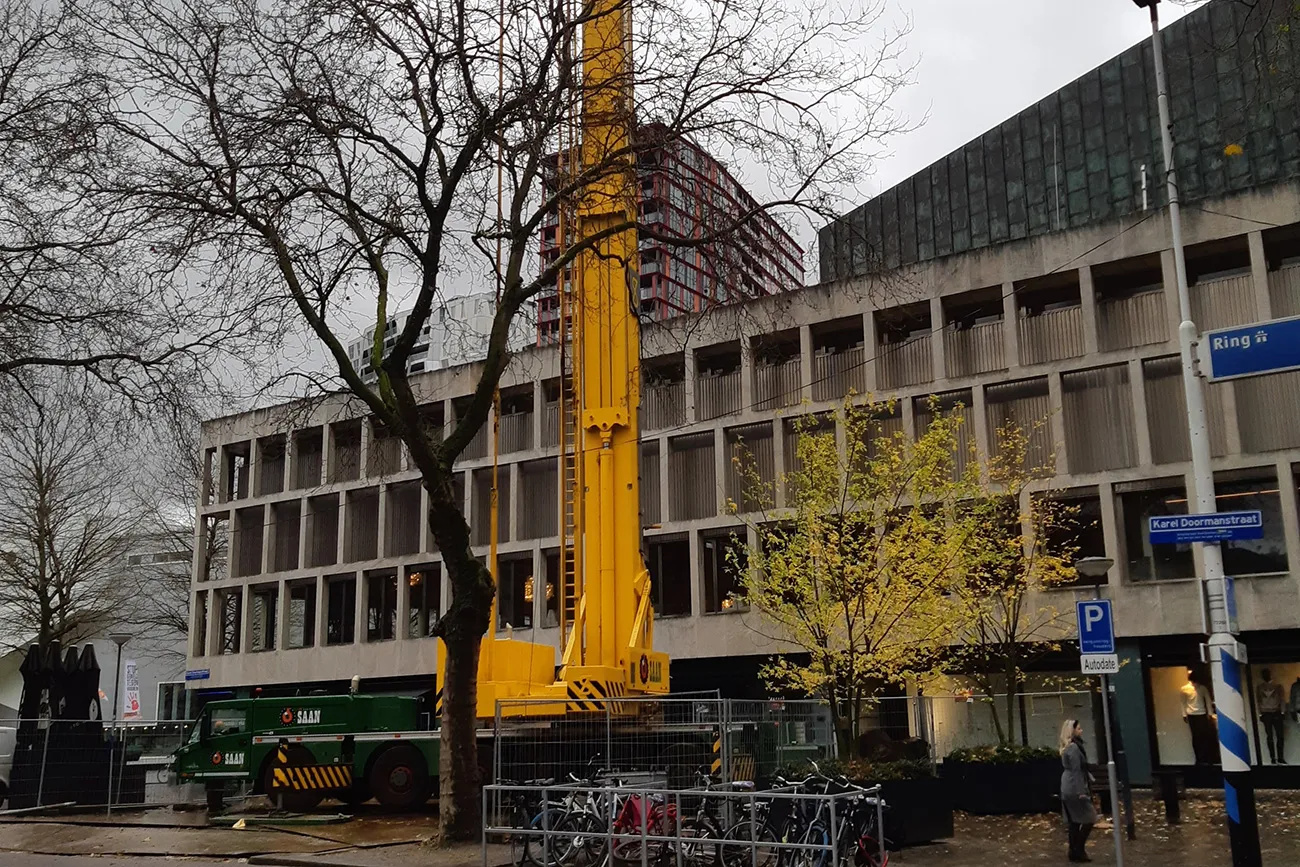
The roof of De Doelen is unlike any other, Kempen emphasises. “This is a listed national heritage building. What’s more, it is right in the middle of the city centre. That has serious implications for logistics. We need to be able to use large equipment to get materials onto and off the roof.” This meant that cranes had to be positioned alongside the building. A construction site had to be set up where lorries could load and unload, and where materials could be stored. To make room, the street furniture had to be moved temporarily. Kempen says: “A roof garden also, of course, involves safety considerations, first and foremost for the people working on the roof, but also for passers-by in the street. At times, part of the surrounding area had to be cordoned off. In short, the work on this roof had to be coordinated closely with the client and the local authority, and scheduled carefully around Rotterdam’s calendar. A project like this cannot go ahead if, for example, a marathon is taking place in the city at the same time.”
Planting and sowing
The first step was to remove the gravel and the old roof covering. A new waterproofing layer was then installed. “We placed the water-retention crates on top,” Kempen explains. “The growing medium went on top of those crates. It is specially formulated for use on roofs: it is lightweight, and the organic particles do not wash out but remain in the mix, allowing the plants to benefit from them as much as possible.” Plants and several different seed mixes were added to the growing medium, taking into account the varying sunlight across the roof, in line with Deltavormgroep’s planting plan. “Sowing rather than planting has several advantages,” says Kempen. “The main one is that it allows nature to take its course as much as possible. Nature determines which seeds germinate.”
Letting nature take its course
As the aim is for the greenery on this roof to develop naturally, only limited maintenance is needed. “We go up onto the roof twice a year to check that everything is still going well. This mainly involves keeping it clear to ensure that water can drain away. We also remove unwanted plants that have blown in, such as poplars and willows. After all, you don’t want a tree growing on the roof. But we leave the greenery alone as much as possible: the system needs to become self-regulating.” And that has been working well for two years now, Kempen notes. “The dry spell at the start of this summer was tough for the roof garden. After four or five weeks, the 300 cubic metres of water in the crates had run out and drought stress set in. We don’t water it. When heavy rain came later in the summer, the greenery recovered. You can simply leave that to nature. The roof of De Doelen is looking splendid now.”
Question about this story? Ask your question
Keep following this
Get an email when a new story is published. No account needed.
- SubjectGarden landscaping & maintenance