Garden landscaping & maintenance
New: Oak Processionary Moth Regulation Method
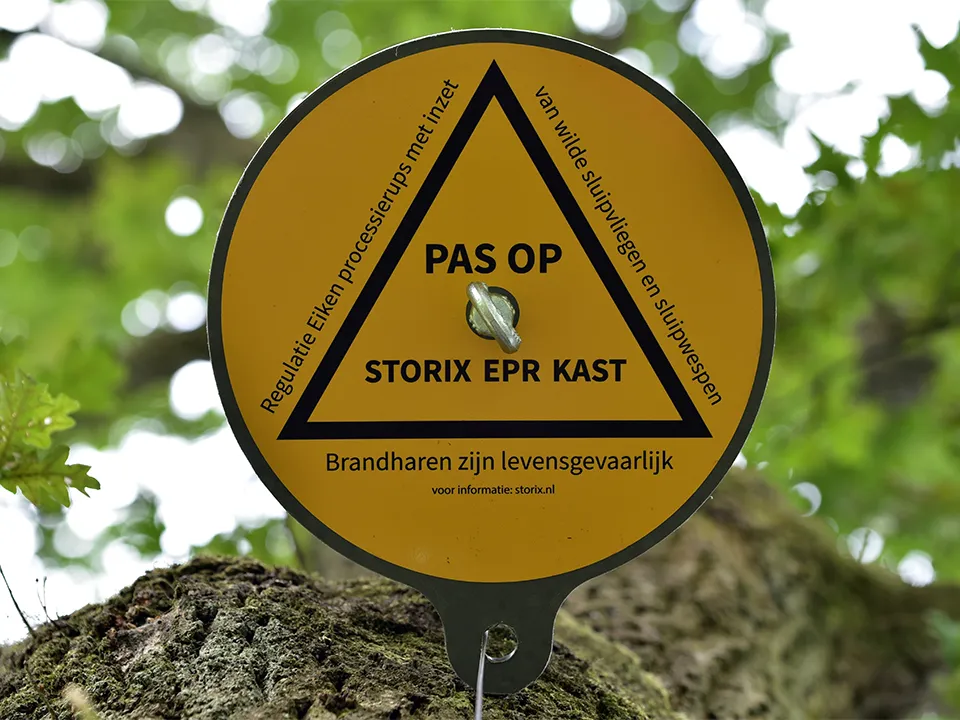
The oak processionary caterpillar (OPC) causes a nuisance every summer in the Netherlands. Its urticating hairs can cause itching, rashes and eye complaints. Livestock and pets such as dogs are also affected. Storix boom- en landschapsbeheer, based in Waalwijk, has devised an ecologically responsible alternative for managing the oak processionary caterpillar sustainably and in an environmentally friendly way. Owner and founder Ton Stokwielder: “Instead of using pesticides, vacuuming them up or burning them, we can bring them under control safely and acceptably.”
The method consists of four modules: management and monitoring, biodiversity, habitat and growing-site improvement, and conditioning birds. “This is a carefully designed and now proven method, protected by a patent granted in early 2021. Using the various modules will increase biodiversity, improve habitats for natural enemies and improve growing sites for oak trees.”
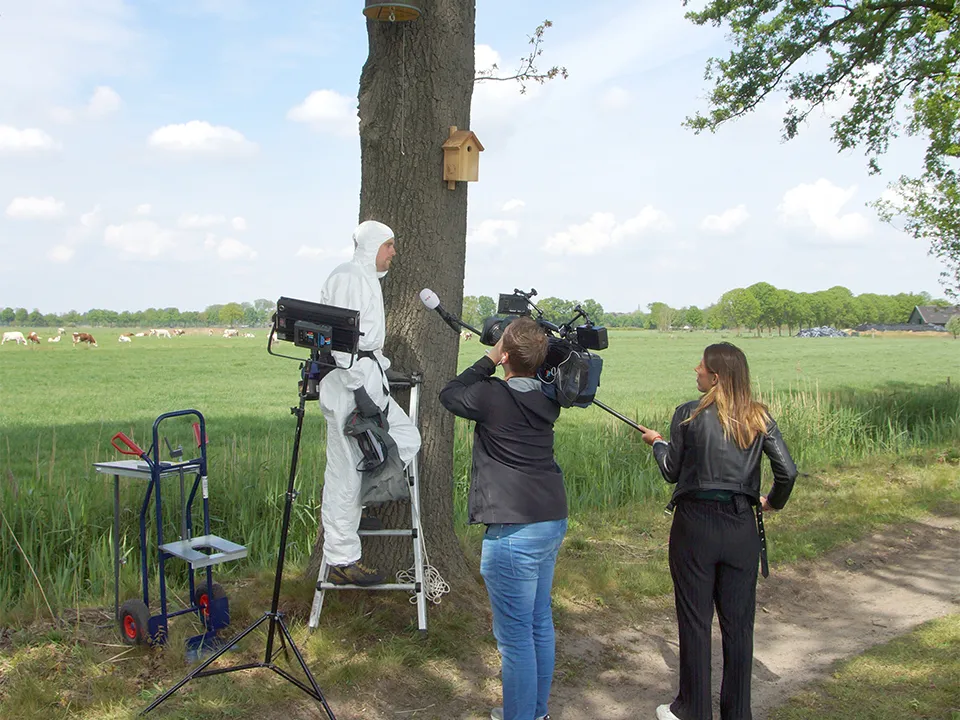
Management and monitoring involve two key components: the Vlinderfilterkast® and the Stationsmonitoringskast®. “During a multi-year observation in flower-rich landscapes, we examined more than 400 oak processionary nests. We found that only 20 per cent of the caterpillars developed into oak processionary moths. The rest were parasites such as parasitic wasps and flies. Oak processionary nests are placed in the Vlinderfilterkast. A perforated wall around the nests traps the emerging oak processionary moths, preventing them from reproducing. The parasites, by contrast, can make their way into the wild. We monitor each unit using a Stationsmonitoringskast. This gives us insight into the number and proportion of parasites. This allows us to use the method in an ecologically responsible way and identify the most effective approach.”
Alongside using the units, it is important to make the habitat of natural enemies attractive, or keep it that way. “A flower-rich environment, sufficient water, and nesting boxes for birds and bats all help. This supports natural enemies such as parasitic wasps and flies, and encourages birds to eat oak processionary caterpillars. They are a delicacy for birds such as tits, the Eurasian nuthatch, great spotted and green woodpeckers, and jackdaws. We minimise the nuisance over a period of two to four years.”
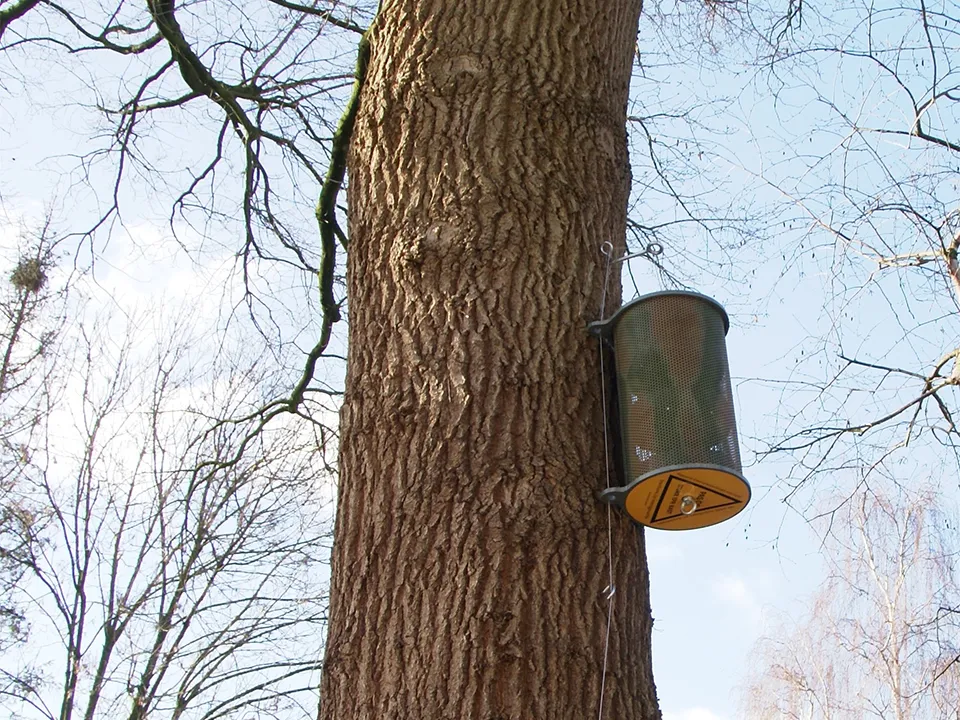
Many Dutch municipalities and other land managers now share Storix’s vision. “We want to manage oak processionary caterpillars sustainably, in an environmentally friendly and ecological way, using our Regulation Method, supported by training and resources such as information signs for passers-by, and even a special cream to soothe irritation. It’s good to see that many municipalities now share this vision and have decided to continue managing this itchy caterpillar sustainably,” concludes Stokwielder.
Question about this story? Ask your question
Keep following this
Get an email when a new story is published. No account needed.
- ThemeTrees and plants for tomorrow
- SubjectGarden landscaping & maintenance