How do you care for a veteran tree?
Text Carolien KleesImage Simen Brunia
Knowledge of tree care
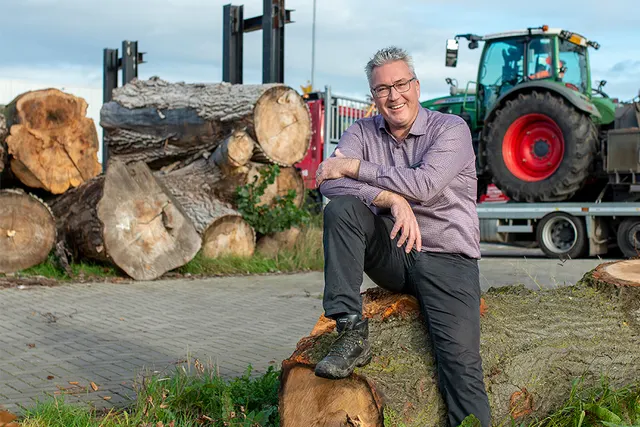
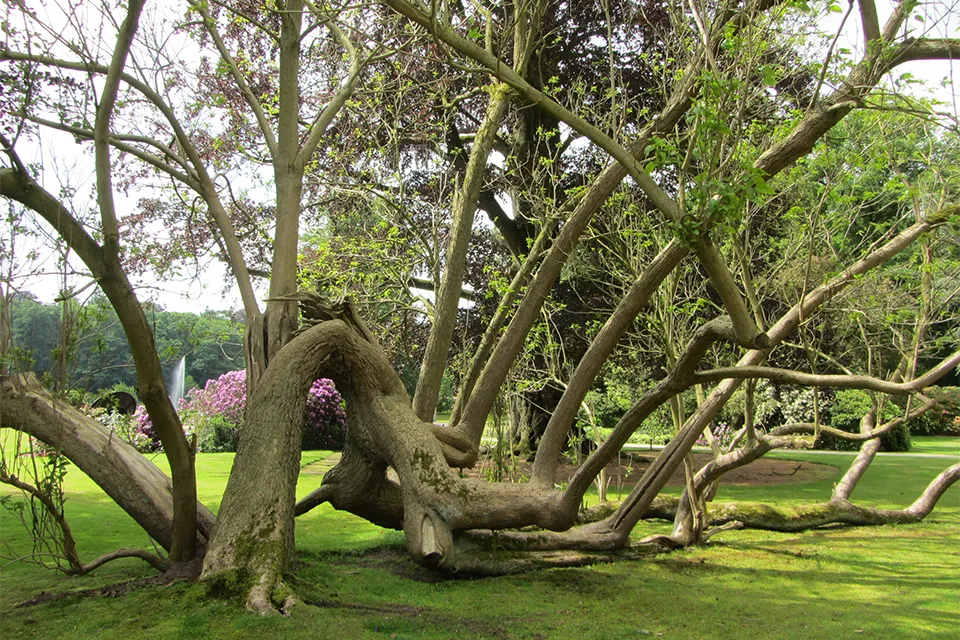
Anyone visiting the online Bomenbieb can marvel at some of the most unusual tree species, as well as the beautiful forms that veteran trees can take. As the founder and owner of this library, sharing knowledge about trees is his passion and motivation. Brunia delivers training for green-space professionals and is curator of the Belmonte Arboretum in Wageningen. One of his specialisms is veteran trees: “A tree like this has enormous added value, but it does need different care. With the right maintenance, it can live for another hundred to two hundred years.”
The term veteran tree is still relatively new in the Netherlands. We are familiar with monumental trees, but there is something more to a veteran tree: “These trees are already in the process of decline. They are therefore at their most beautiful and largest. In our country, the decision is often made to fell them. After all, we are concerned about the risks posed by dead branches, fungi and cavities. However, there are various ways to preserve such a tree without compromising safety.”
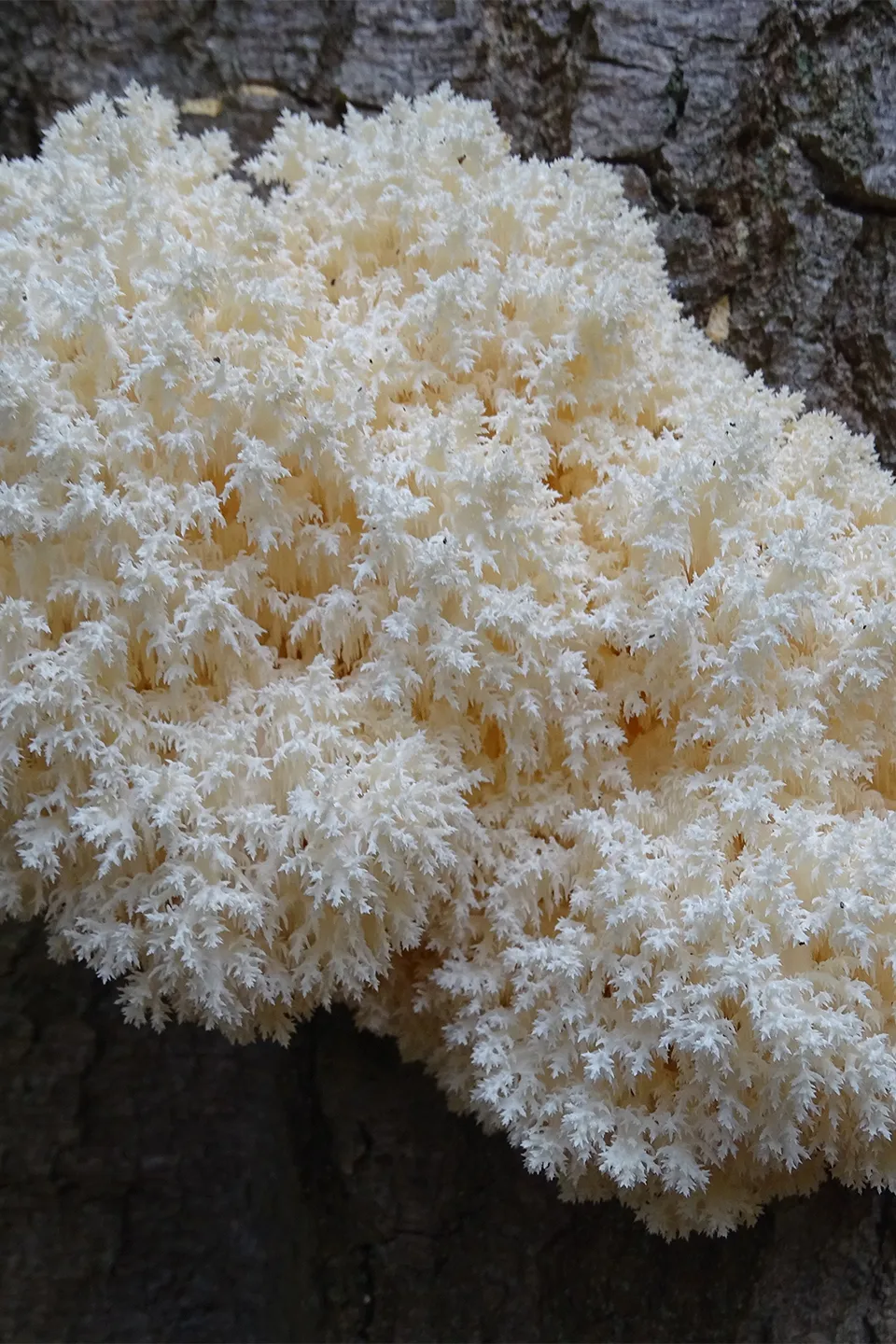
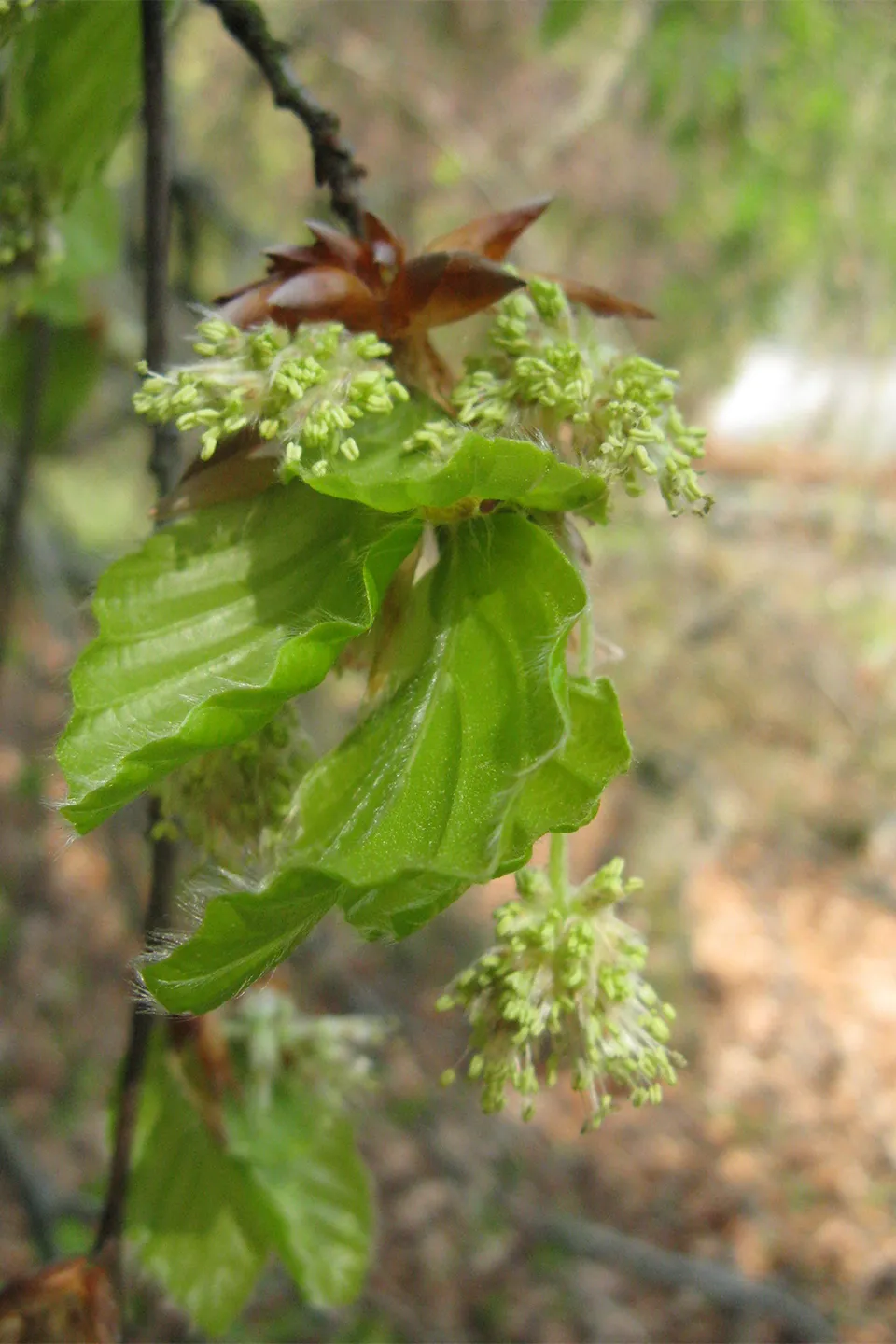
Veteran tree
What characterises a veteran tree is the ‘story’ it tells: “As well as being very old, the tree has significant cultural and historical and/or ecological value. For example, these trees provide a habitat for insects, bats, birds, lichens and all kinds of fungi. Such a tree often has a great deal of character, which also adds to the aesthetic value of its surroundings.”
For these reasons, Brunia would like us to stop viewing veteran trees as unsafe or expensive to maintain. “Veteran trees do not have to be costly at all. By creating space around the tree where dead branches can fall and its leaves can remain, you eliminate any safety concerns and actually reduce maintenance costs.”
A new appreciation for water shoots
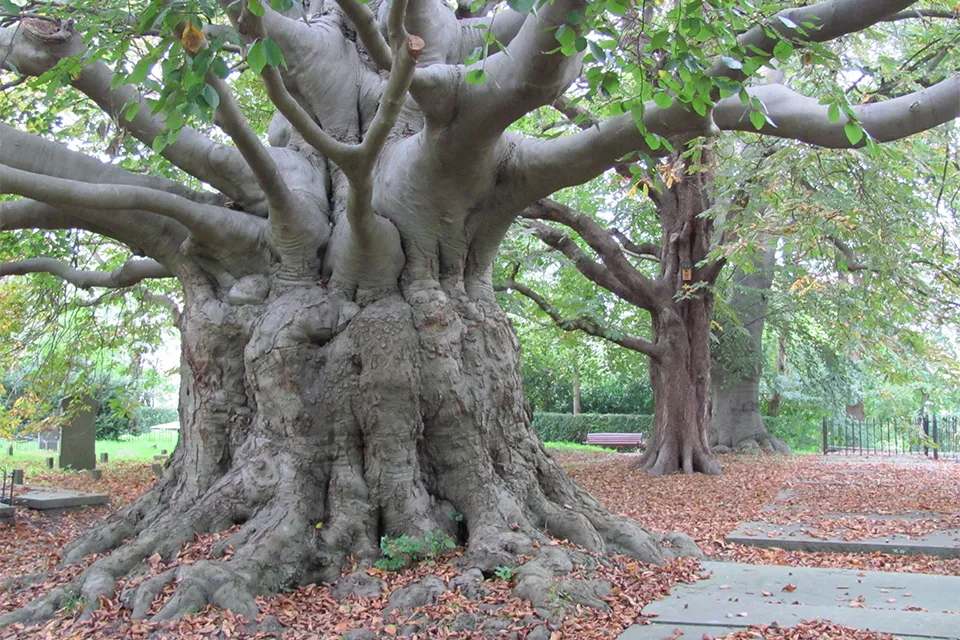
Trees can do something we humans cannot: rejuvenate themselves. It is an enviable ability that calls for a specific approach. “When a tree is under stress and begins to die back from the top, it produces young shoots close to the trunk, known as water shoots. If you prune these off, as we are often used to doing, you take away its life insurance.” In other words, it is literally and figuratively a mortal sin. The same applies, to a lesser extent, to mowing and clearing leaves. Brunia says: “Older trees are much more sensitive to the finely balanced cycle. Nothing can match the nutrients from their own decomposed leaves. Fertiliser cannot replace that; it is basically McDonald’s for the tree,” Brunia laughs.
Work in stages
“In the Netherlands, we are used to tinkering with trees. A tree specialist is keen to prune and saw, but this can quickly have negative effects on veteran trees, as they have fragile structures. If intervention is necessary, for example because a parasitic fungus has been found, it is extremely important to work in stages. Make a small intervention, wait for a while and see whether a further step is needed.”
Knowledge
According to Brunia, proper care of a veteran tree starts with building up your knowledge. “Learn about the tree species, ageing processes, the organisms that live on trees and any danger they may pose. For example, use the Bomenbieb or Nederlands Dendrologische Vereniging websites, of which I am also a member, to find information about tree species. Or contact me if you want to know whether a fungus is dangerous or have a specific question about veteran trees.”
Question about this story? Ask your question
Keep following this
Get an email when a new story is published. No account needed.
- ThemeTrees and plants for tomorrow
- SubjectTrees & plants