Sandor Walinga: ‘I no longer remove healthy trees in the right place’
Text Armand LandmanImage Sandor Walinga
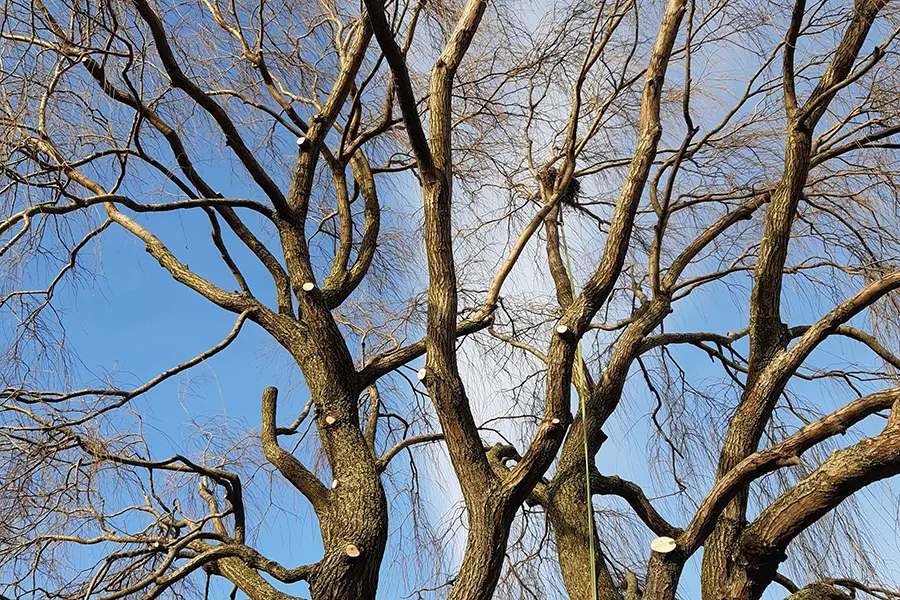
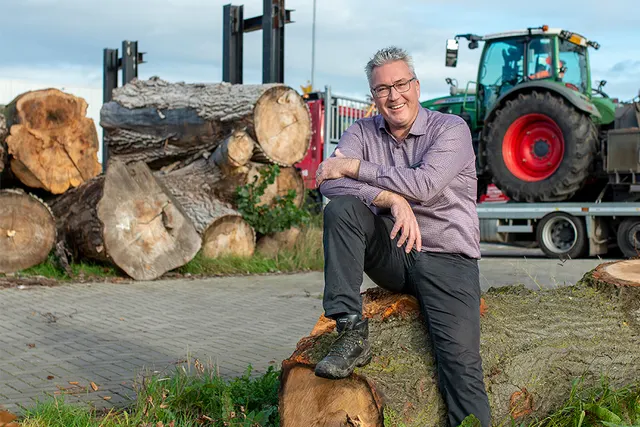
“I used to remove a healthy tree just because someone wanted me to,” says landscape and garden designer and arborist Sandor Walinga. “I felt so bad about it afterwards that I decided not to do it again.” “Let’s not underestimate the importance of trees,” he continues. “They provide cooling, biodiversity, oxygen, clean air, and much more. We should harness their power instead of intervening with a rigid schedule or drastic measures. When I see my clients becoming convinced that a valuable tree should be kept, I know I’m doing the right thing.”
Walinga runs his design studio Buro Walinga from Bolsward and is a member of both De Bloeimeesters and Wilde Weelde. Through these partnerships, he finds like-minded people who are committed to plant-rich, nature-inclusive design. “My father is a gardener and had a garden centre, so I grew up among plants and trees. After studying at Van Hall Larenstein University of Applied Sciences, I worked briefly for a landscape design firm, but soon decided to make my own way. My love of planting, and trees in particular, was instilled in me from an early age.”
Trees were once seen mainly as a cost or a risk, with concerns about falling twigs and leaves, excessive shade and the danger of trunks toppling over. Today, people are increasingly aware of the benefits trees bring. In his work and conversations with clients, Walinga sees the perception of trees gradually shifting from ‘unnecessary luxury’ to ‘essential part of a healthy ecosystem’. “In urban and landscape plans alike, the importance of existing mature trees is now part of the discussion. Previously, people were more inclined to clear everything and start from scratch. The fact that this shift is happening now shows that appreciation for green spaces is growing steadily.”
Diversity as a strength
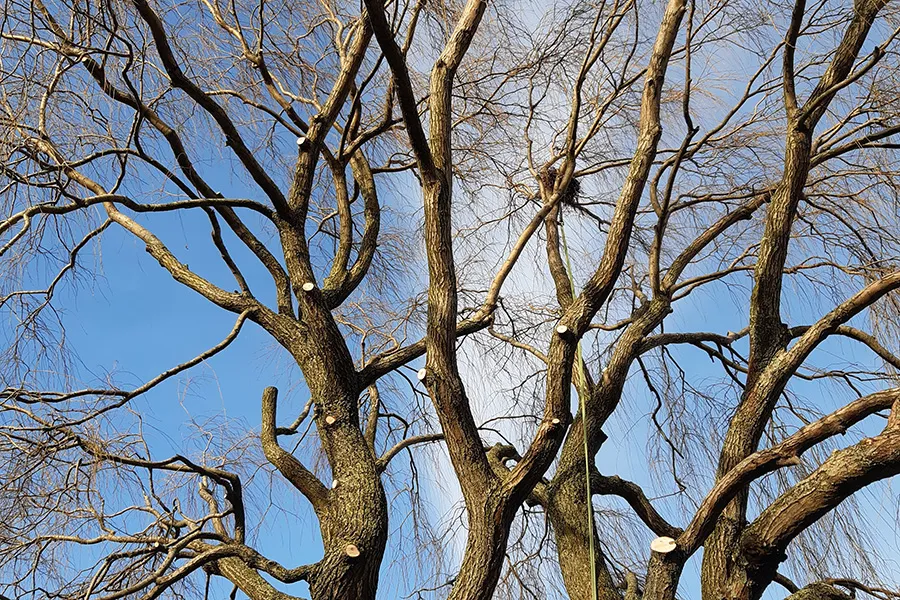
Walinga is clear about which tree species are best suited to the Dutch living environment: “It’s all about diversity. Relying on a single species leaves you highly vulnerable to a particular disease or a changing climate. Some locations are better suited to native planting, while others call for non-native trees that can withstand heat or extreme drought. A mix of native and non-native tree species is the most future-proof approach. Walinga says it is also essential to take factors such as soil conditions and water management into account, so that each species has the right conditions to thrive. It is not a dogma that everything must be native. Instead, find a balance between species that occur naturally in north-western Europe and those from other parts of the world. This increases biodiversity and gives you greater security for the future. At the same time, changing weather conditions are creating new opportunities for tree species that are gradually becoming established here. This variety provides a robust foundation, as a wide range of species is better able to withstand diseases, pests and fluctuating climate extremes.”
Minimal tree care
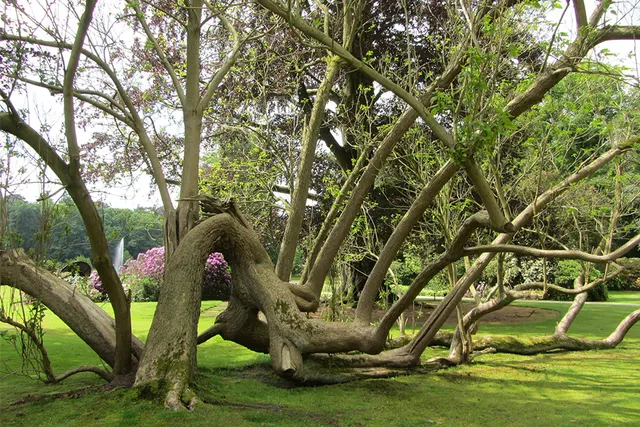
Whether a tree is native or non-native, Walinga believes the same principle applies in every case: prune as little as possible. “A tree has its own natural form. We often prune for safety reasons, but too often we do so with a blunt instrument. If you remove large branches all at once, a tree responds with excessive growth, which can weaken it and lead to an unnatural shape. That’s why I try to take the structure and needs of each individual tree into account as much as possible, rather than blindly following a protocol.”
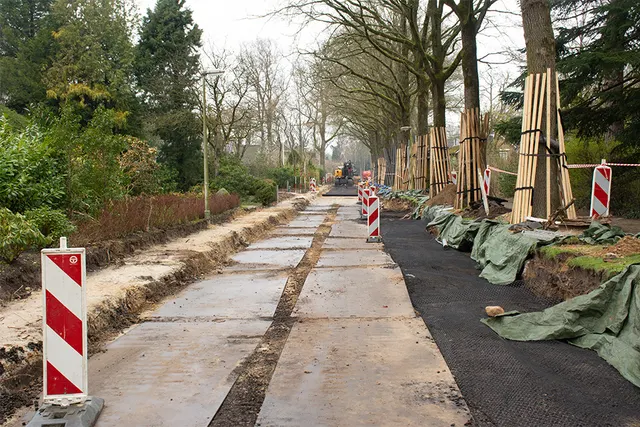
He sees particular scope for improvement in public spaces. “Understandably, local authorities have strict guidelines. Often, this means pruning is done at set times and in a very uniform way. But that ignores the individuality of trees. The ground beneath them is also sometimes overlooked: if roots have no room or there is too much paving, the trees will eventually become weak and unstable. That, too, is a safety issue. A ‘one size fits all’ approach can therefore have the opposite effect.”
Trees on roofs: bonsai in the city
Trees are appearing on rooftops in an increasing number of urban designs, a trend Walinga has mixed feelings about. “On the one hand, it’s fantastic to look for alternatives when space is limited. But a tree in a container or on a roof system is, by definition, a kind of bonsai version: root space is limited, as are nutrients and water. This requires careful maintenance and a well-engineered structure. In this way, you can make a city greener and cooler. But ideally, you first check whether the tree can simply be planted in the ground, where it can grow naturally.”
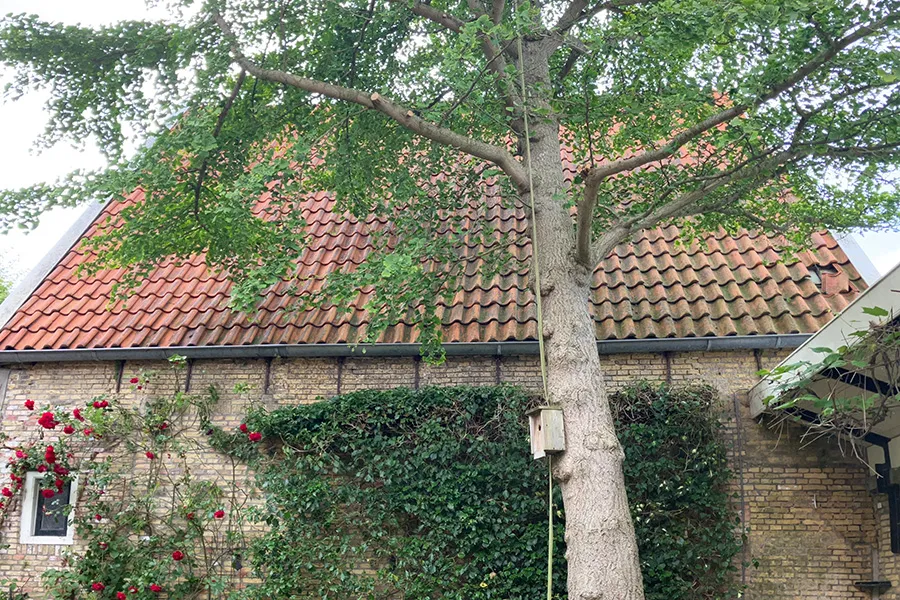
Walinga also stresses that trees are valuable not just ecologically, but financially too. “It’s difficult to give precise figures, but you can certainly assess a tree’s value based on its age, health and location. Many people underestimate the indirect benefits a mature tree can provide.” These include reducing heat stress and providing shade, which saves on air-conditioning costs. The presence of mature greenery also often increases property values. “Trees are an investment,” says Walinga. “Provided you take good care of the soil, roots and crown, you’ll benefit from them for decades, while the tree will benefit for centuries.”
Walinga’s recommended books on trees:
‘Bomen beter begrijpen’ by Willem Peeters
‘Hoe lees je een boom’ by Tristan Gooley
‘Het Groene Goud, 50 jaar boomverzorging in Nederland’ by Jorn and Lia Copijn
Question about this story? Ask your question
Companies in this story

Keep following this
Get an email when a new story is published. No account needed.
- ThemeTrees and plants for tomorrow
- SubjectTrees & plants
- CompanyPeeters Group