Preventing plant and tree diseases
Text Carolien KleesImage Jaap Smit/Unsplash
‘There is too little awareness of the serious risks posed by pathogens’
Globalisation and climate change mean that the risk of plant diseases in the Netherlands is increasing, and these can sometimes have far-reaching consequences. The bacterium Xylella poses such a serious threat that, in 2022, the sector simulated an outbreak with the Ministry of Agriculture, Nature and Food Quality and several local authorities. An actual outbreak of this bacterium could have major economic and financial consequences because of the extensive measures that would have to be taken. We asked Jaap Smit for his advice. He is a tree consultant at Plantkundig, curator of Trompenburg Tuinen & Arboretum and a member of the Dutch Dendrological Association (NDV), where he also served on the board for 15 years.
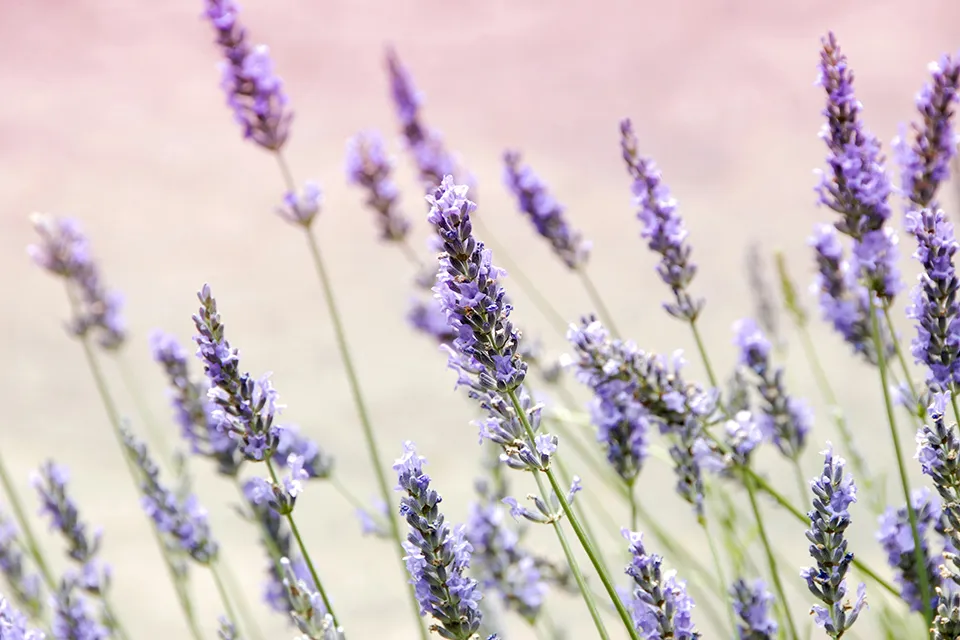
The Xylella bacterium causes vessels to become blocked, which can dry out parts of plants. In severe cases, the plant may die. “There is too little awareness of the serious risks posed by Xylella.” In August 2020, the European Union set out measures to be taken. In the event of a Xylella outbreak, all Xylella-susceptible plants within a radius of at least 50 metres of the outbreak must be destroyed. A 2.5-kilometre buffer zone is also established. Plant transport bans may be imposed for short or extended periods. This would hit growers and garden centres particularly hard. The bacterium has more than 350 host plants, including commonly used species such as lavender, periwinkle, grapevine and oak. The problem is that Xylella is difficult for non-specialists to identify with certainty. It can take more than a year for symptoms to appear.
Xylella
The Xylella bacterium is present in the heel of Italy, in Corsica and on the Spanish islands in the Mediterranean. The growing area where many plants are cultivated in Italy, Pistoia, is more than 700 kilometres from the area in southern Italy. “But there is trade between the regions, and infection from the south cannot be ruled out. That is why I find it incomprehensible that garden centres have so many plants that have just been imported from Italy, albeit from more northerly regions,” sighs Smit.
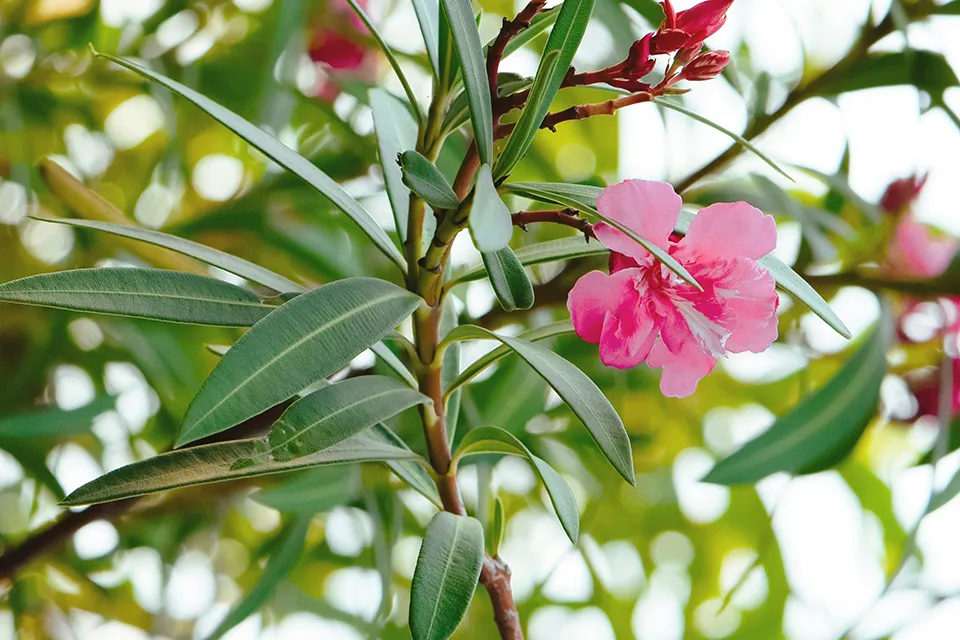
This brings Smit to the issue of awareness and responsibility. “There are still green-sector professionals who are unaware of the impact a potential outbreak could have. Public awareness also needs to grow. Imagine someone bringing infected cuttings of oleander or acacia home from their holiday in Italy! To minimise the risk of Xylella, I make sure that plants I specify are grown no more than 250 kilometres from their future planting location.”
Ash dieback
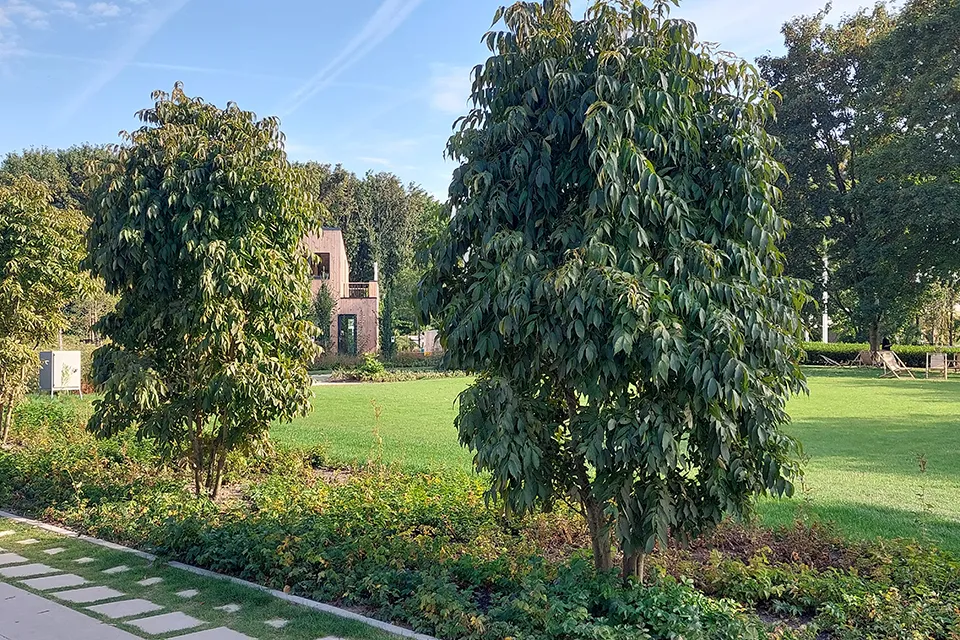
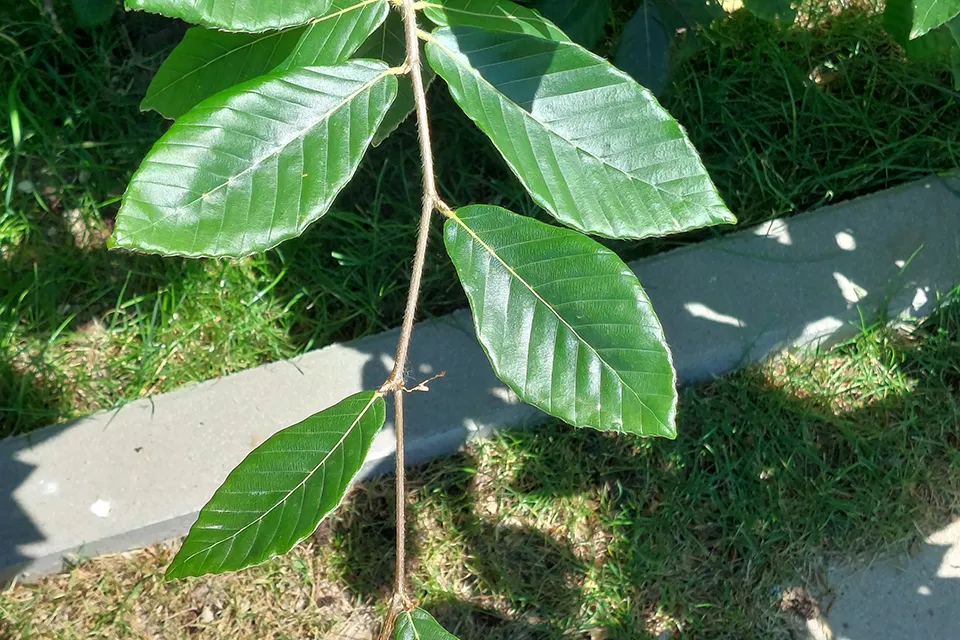
Another troublesome disease is ash dieback. It is caused by a fungus that probably arrived from the Himalayas with Fraxinus mandshurica. Unfortunately, it cannot be controlled. Meanwhile, another threat from Asia is looming: the emerald ash borer. “This beetle was probably imported in packing wood for decorative stones and has already killed hundreds of millions of ash trees in the United States. It has also caused extensive damage in Russia and Belarus, and I understand it has now reached the Polish border. So the question is not whether it will reach the Netherlands, but when. For now, do not plant ash trees, except Fraxinus mandshurica, which, if healthy, is resistant to ash dieback and the emerald ash borer.”
The importance of diversity
“To spread risk, diversity is important. Include as many different species as possible in your planting plan. And, in light of climate change, be sure to consider species from southern or eastern continental climates. Knowledge of plants is therefore really the answer, which is why I advise green-sector professionals to join associations such as the NDV.”
Annual NDV membership for businesses and institutions costs €66.
More information: www.dendrologie.nl.
Question about this story? Ask your question
Keep following this
Get an email when a new story is published. No account needed.
- SubjectTrees & plants