Sufficient growing space is essential for healthy trees
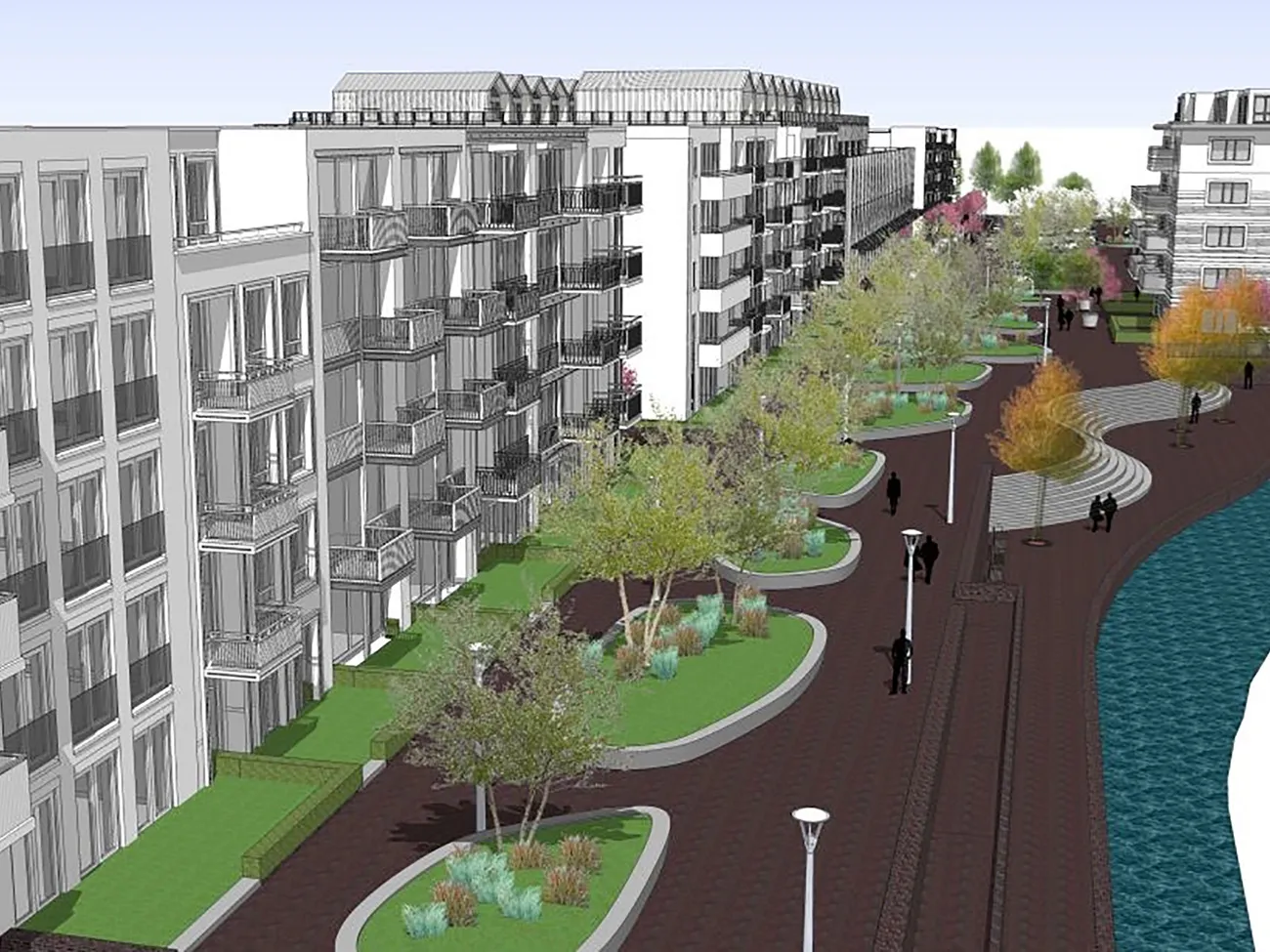
“The growing space trees need is often overlooked,” says Ronald Wobben of Expedio Arbori, a consultancy specialising in trees and green spaces. The company carries out a wide range of tree-related research, inspections and consultancy work.
Advice is sought too late
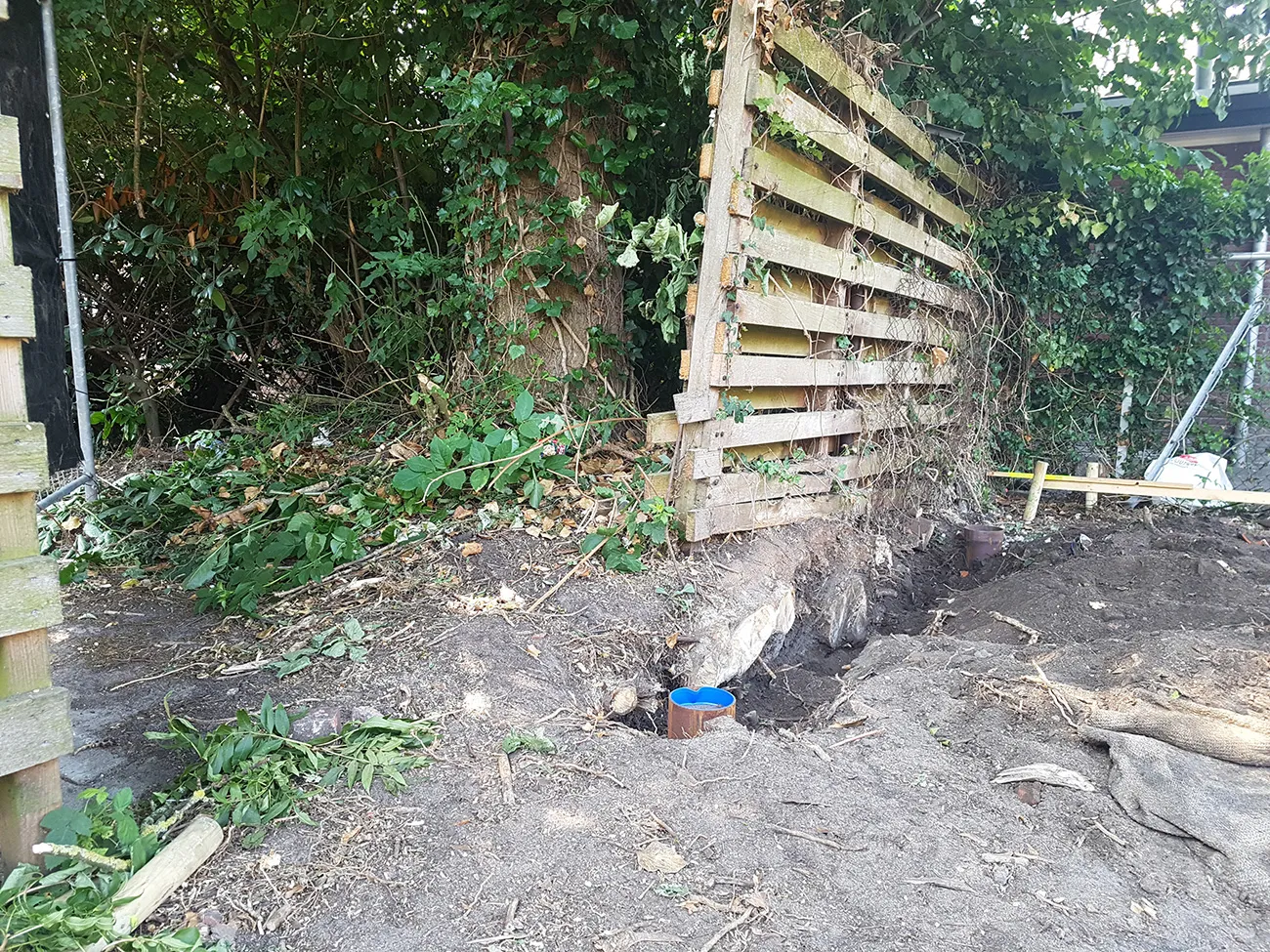
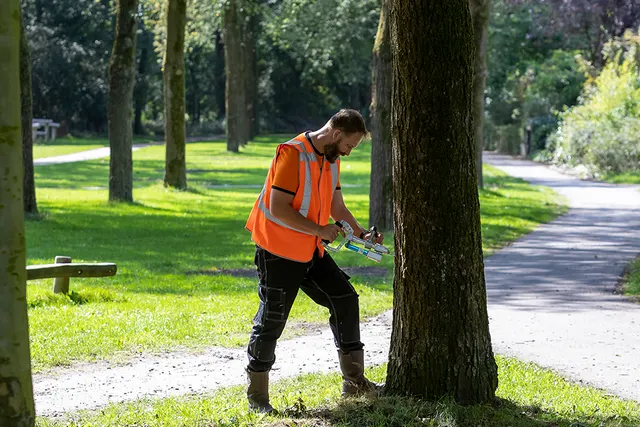
Expedio Arbori is often called in when there are problems with trees, such as fungal growth or structural defects. The company uses specialist equipment to investigate factors including resistance to breakage and stability. Wobben also carries out tree impact assessments, valuation and damage assessments, and reviews project plans. And that is often where the problem lies: advice is sought too late.
Review the project
The templates currently available for preparing tree impact assessments are effective, but only when properly used and understood, Wobben believes. “Often, people request only the most comprehensive version of a template, on the grounds that this way we won’t miss anything. But applying a template blindly does not always lead to the tree being retained. It can instead become a means of eliminating the tree on paper.” According to Wobben, the challenge is to explore ways of retaining both the tree and the space ‘reserved’ for it, or for a similar tree.
More care, higher costs
Wobben says: “Fortunately, we are increasingly being brought in at the sketch-design stage, when a baseline survey and a quick scan enable us to assess the design against the available space. The space required can be considerable. Large, first-order trees have a crown diameter of 18 to 20 metres. They therefore cannot be planted close to other trees or buildings. They also need a substantial volume of soil underground. If this is not taken into account, some trees will never reach their natural maturity. They will then need more care, which in turn means higher costs. Trees with the right amount of growing space are therefore ultimately cheaper and will meet the design brief.”
Positive developments
Wobben also sees another development in the green sector that he welcomes. Climate change is bringing greater peaks and troughs in rainfall. “We are increasingly seeing rainwater being captured during periods of heavy rainfall so that trees can be supplied with moisture during dry spells. Permeable paving, for example, allows water to pass through before it is drained away. Another benefit is less heat build-up from large paved areas. These are positive developments.”
Question about this story? Ask your question
Keep following this
Get an email when a new story is published. No account needed.
- SubjectTrees & plants