Elma van Boxel: Management as a starting point, not an afterthought
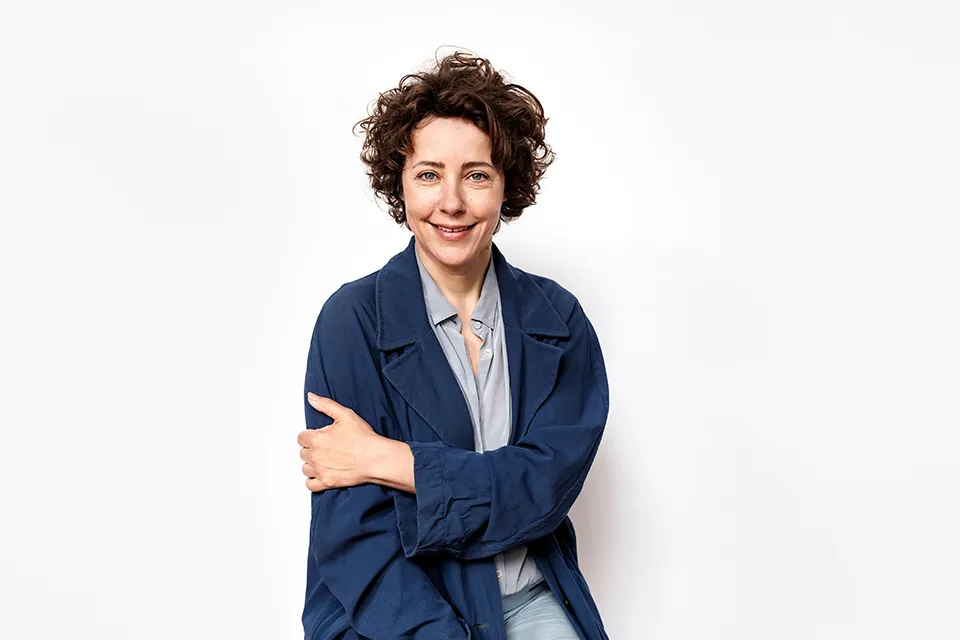
What continues to surprise me is how quickly landscape quality is still sacrificed in the building process. As if green space hangs at the end of a budget, optional, an aesthetic extra. Even though we know that today’s major challenges, climate change, biodiversity, water and health, can only be solved through an integrated approach. And yet that design skill, that power of imagination, is still too often dismissed as a luxury. As if thinking in terms of space, time, ecology and experience were not a building block, but a welcome bonus. As if a well-designed outdoor space had no direct impact on our wellbeing, our safety or our ability to adapt.
At ZUS, we design from the landscape. Not alongside it, not after it, but from it. A roof is never ‘just a roof’ to us, and a square is never merely ‘paving’. We prefer to create public domains rather than public spaces. Spaces that belong to everyone, and can therefore be used, claimed and touched by everyone. Such spaces call for more than aesthetics; they call for stories, meaning and long-term commitment. That takes design, but also direction. And patience. Sometimes even swimming against the tide.
Take Almere Duin. Designing a dune landscape in the polder seems absurd, until you see the value such an artificial landscape can have, ecologically, recreationally and socially. Because the developer and the municipality recognised that value, there was room to experiment. And to achieve quality. So yes, it can be done. It is an example of how seemingly illogical choices can lead to meaningful places. Provided there is trust. And vision.
But the reality is challenging. Far too often, we see the landscape sacrificed between a developer focused on costs and a contractor doing their best, but with no idea what the original design was intended to achieve. The landscape contractor is brought in too late, or not at all. Design time is cut back, not out of ill will, but because the returns are not understood. No one can see the whole picture any more. And what remains is often a diluted version of what could have been.
Perhaps we should turn things around. Not less design, but more. Not green space added only once everything is finished, but from the very beginning. Management not as an afterthought, but as a starting point. Not aesthetics for their own sake, but a guiding vision. And designers who continue to assert their role, even if that means, as in the past, sometimes offering unsolicited advice. Because the landscape is worth it. Because the spaces in which we live, work and move around deserve no less attention than the buildings in them.
Question about this story? Ask your question
Keep following this
Get an email when a new story is published. No account needed.
- SubjectThe Pen