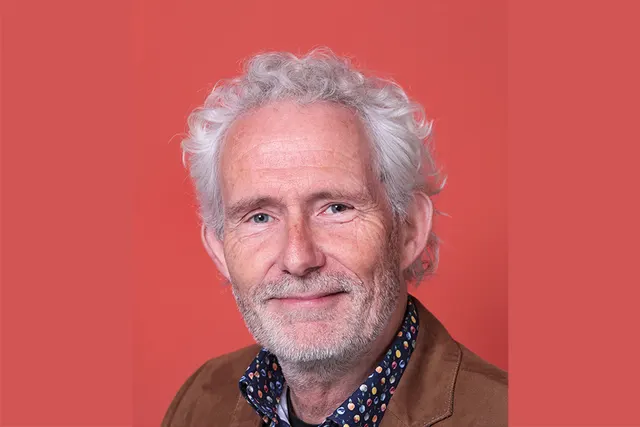
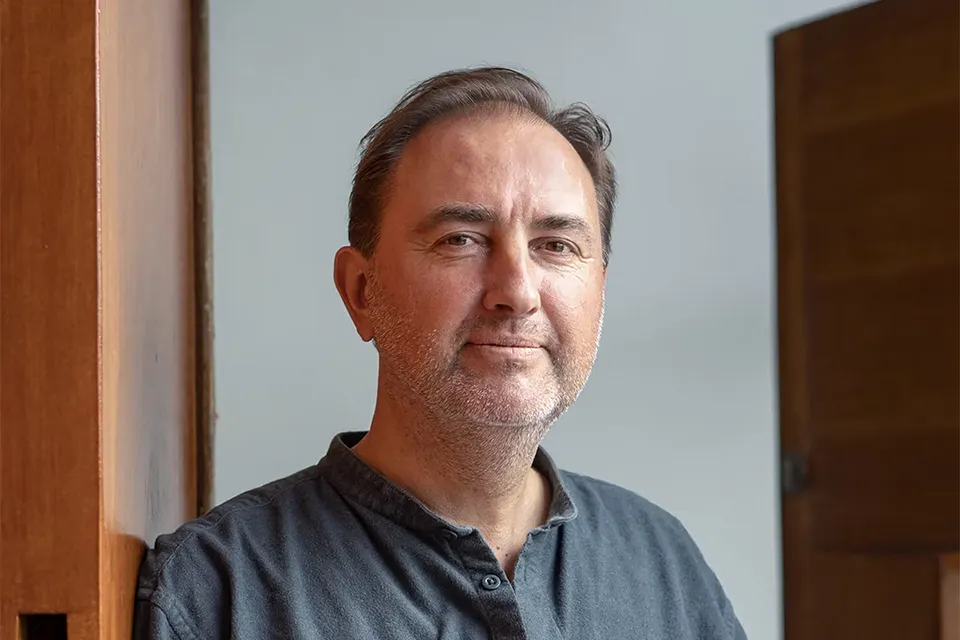
Marcel Lok: Architecture is not a flowerpot
You see them more and more often: buildings decked out with trees on balconies, planters on every floor and façades covered in ivy. As if a tower automatically becomes sustainable when you put a few small trees on it. But let’s be honest: a building is not a flowerpot. It’s time to stop with these green gimmicks, which often have more to do with appearances than with genuine ecological value.
Of course, I’m the first to champion the proper integration of nature into the built environment. It is even central to my work. We design roof gardens, communal courtyards and gardens on top of car parks. But always with an eye to quality, feasibility and maintenance. No green window-dressing just to impress the outside world or a jury. Because it’s not just about what it looks like, but above all about how it functions, in every season and for every user.
Because that’s often what it is: a marketing tool. A way to give a project a sustainable gloss without any real conviction. The trees on the balconies of that tower in Utrecht? Stunning in the renders. But vulnerable, maintenance-intensive and, above all, extremely expensive. Not a solution, but an expensive coat you’d rather not wear in the rain. It’s urban cosmetics, and like any make-up, it quickly fades without care and commitment.
Instead, I advocate for something that may seem less spectacular, but is all the more valuable: the measured, considered integration of landscape and architecture. Projects where buildings fit into their surroundings as natural components of a greater whole. Like Bosrijk, Eindhoven. Or the former castle site in Heerhugowaard, where detached houses blend into an existing woodland. No imposing façades, just quiet quality that reveals itself only when you live, work or walk there.
The key? Collaboration. With landscape architects, urban planners and green-space managers. And with clients who look beyond the sales brochure. Yes, it takes time and money. But it delivers something lasting: a pleasant living environment, added value for residents and a plan that will still work in twenty years. The strength of good design lies in its sustainability, not in the hype it generates for a while.
Green space should not be an afterthought, but the starting point. And yes, sometimes that also means building only once the landscape is already in place. Park first, villa second. Not a desert where you later stick a tree in the ground. Think of places such as the Sphinx site in Maastricht or the Bibliothèque nationale de France in Paris, where landscape and architecture have been designed in harmony from the very first pencil stroke.
Let’s see architecture and nature as equal partners. No disguise, no backdrop. No flowerpot, but a genuine collaboration. Only then will green space truly take root in our cities. Only then will we build places that continue to surprise, where people want to be, and where nature is not merely an afterthought, but a fully fledged part of the design.
Question about this story? Ask your question
Keep following this
Get an email when a new story is published. No account needed.
- SubjectThe Pen