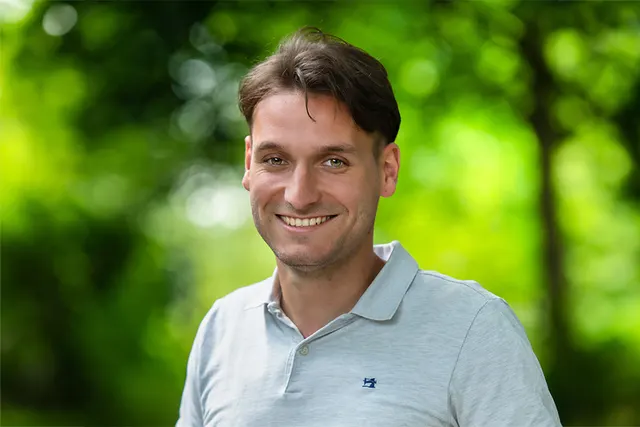
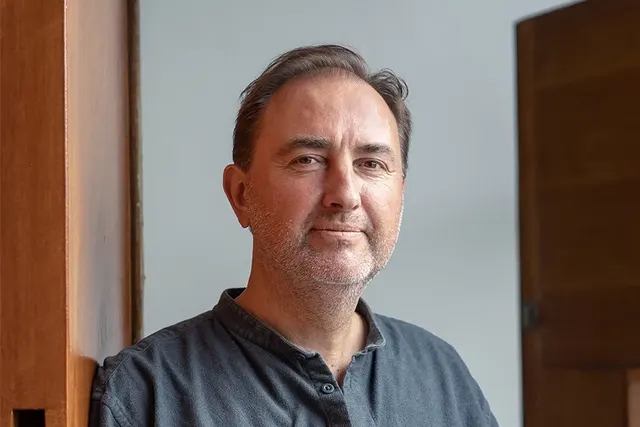
Dolf Houtman: the time for pretending… is over
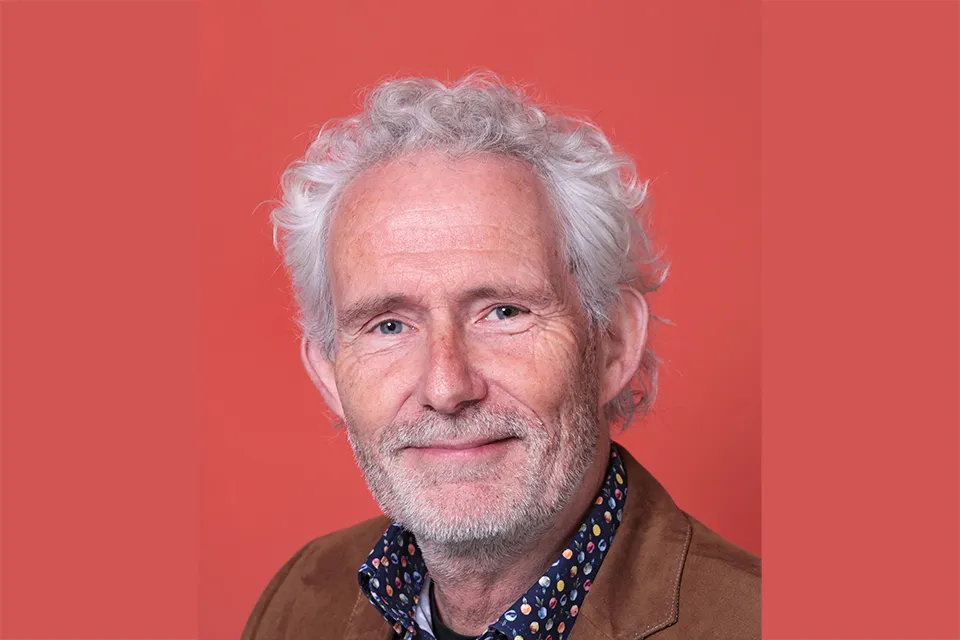
We have developed a habit in the green sector: big words, little action. Sustainable. Biodiverse. Ecologically responsible. It sounds fantastic. But ask a few questions and it often turns out to be little more than a hedgehog gate, a small green roof and a few ‘insect-friendly shrubs’. Then the box is ticked and we move on.
Let’s stop fooling ourselves. This isn’t ecology. It’s decoration with a green edge. Ecology demands something very different. It means taking the site seriously. Looking at soil, water, light, use and context. Understanding what grows, why it grows and what will happen if you intervene. And perhaps more importantly, constantly questioning yourself. But that’s difficult. Because it means letting go of certainties. Of standard solutions. Of trends. And trends are precisely what’s killing us. Literally. ‘The kiss of death’ when it comes to ecology. Yet we continue to follow them en masse. Espaliered lime trees here, gravel there, a few large stepping stones in between, and that’s that. A garden as a fill-in-the-blanks exercise. Not a design, but a sum of parts.
Designing is something else. It’s not about working through a checklist, but taking a position. Solving everything at stake with one powerful idea. Sustainability starts with a thoroughly considered design. Soil, water, use, heat, drought, context. Not as separate elements, but as an interconnected whole. And that’s where the problem lies. Because it takes skill. And perhaps more painfully, it means not always giving the client what they ask for. If all you do is deliver what the client wants, that’s exactly what you’ll provide. But not necessarily what’s best.
The sector still too often hides behind that.
Then there’s the endless debate over native versus non-native species. As if that were the holy grail. It isn’t. The climate is changing, and conditions are changing. Anyone who continues to cling to rigid lists is designing for a world that no longer exists. Look at the site first. Green it as much as possible. Think in terms of plant communities. Only then choose your species. Non-native plants aren’t the enemy, they’re simply a tool. Provided you know what you’re doing. But the biggest problem lies elsewhere. In what we don’t do. We design, we build, and then we leave it to its own devices. Yet that’s precisely where the real value is created. Management isn’t an afterthought, it’s at the heart of the matter. In fact, ‘green space managers will become the most important professional group in the sector’. They determine whether a plan delivers real ecological value or gradually becomes an expensive experiment with no results. And yet we still deliver designs without a proper management plan. In gardens, public spaces, everywhere. That’s not just careless, it’s also a waste of capital. We invest millions in green spaces and then look the other way when things go wrong.
Perhaps that’s where we should start. Less talk, more responsibility. Designs that don’t just look good on day one, but work in year ten, twenty or thirty. That also means saying goodbye to the picture-perfect look. Green spaces will become messier, more dynamic and less predictable. For many people, that still feels like a step backwards. When in reality it’s a step forwards. But we have to be willing to explain that.
The good news? A new generation is emerging that dares to do just that. People who aren’t stuck in the way things have always been done. Who observe, investigate and dare to think afresh. Who understand that this profession was never about flowers, but about systems.
And that’s a good thing. Because the time for pretending… is over.
Question about this story? Ask your question
Keep following this
Get an email when a new story is published. No account needed.
- SubjectThe Pen