Built on the landscape
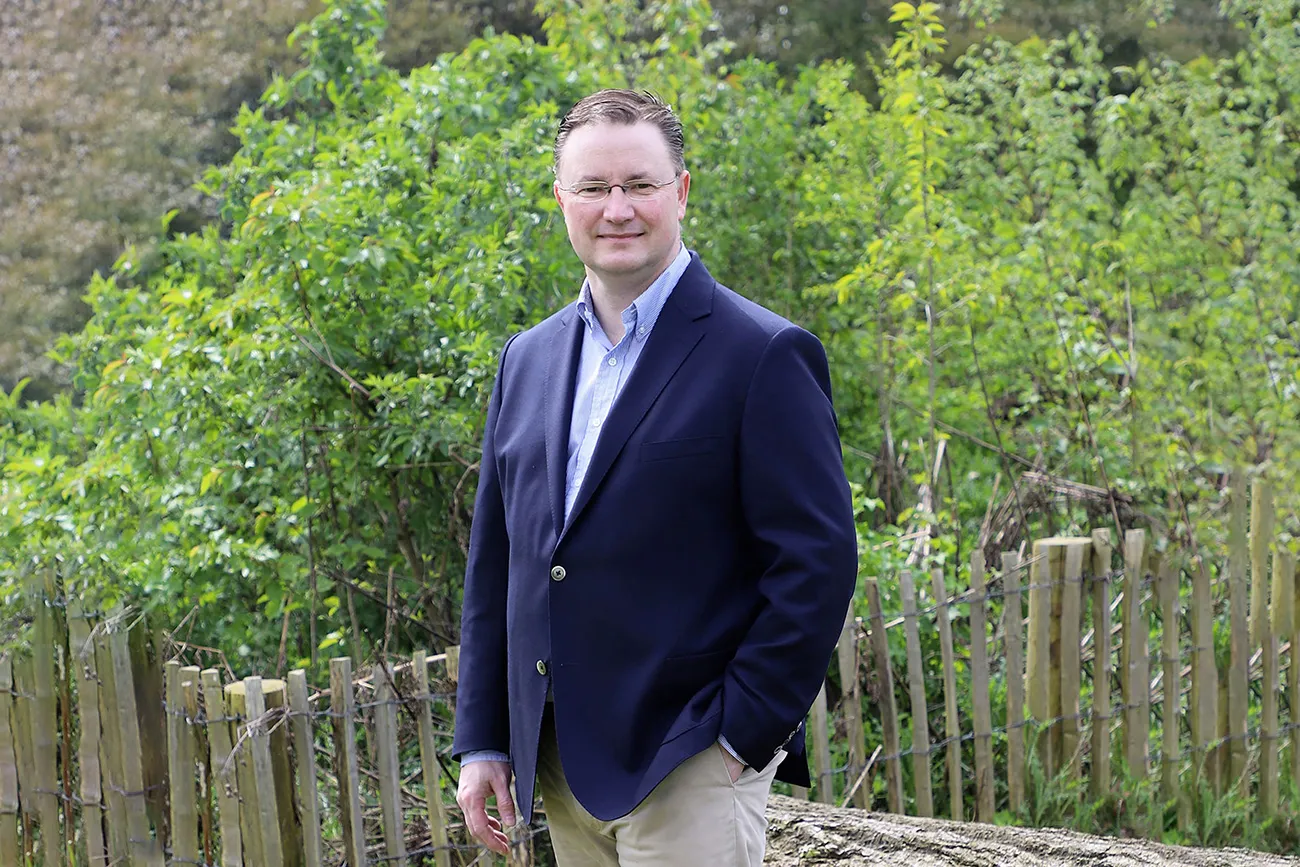
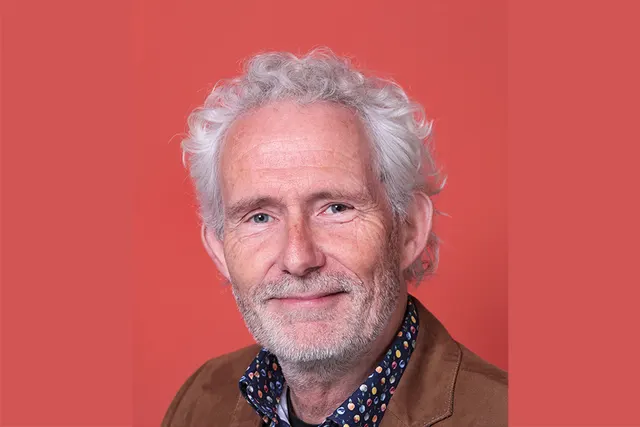
Prof.dr.ing. Steffen Nijhuis, Professor of Landscape-based Urbanism at TU Delft
Wherever I am in the Netherlands, I keep asking myself: what if we had planned and built new neighbourhoods differently? What if we had started with the landscape? The answers to these questions seem increasingly clear. Cities would not only be greener, but also healthier, more biodiverse and more resilient. A city in a sandy region cannot be the same as a city on clay or peat soil.
The landscape provides an important foundation for urban planning and design. This is not a new idea: historically, the most attractive urban areas have been those integrated harmoniously with their natural surroundings. However, today’s trend towards homogenisation and standardisation, with cities around the world increasingly beginning to look alike, is cause for concern. This one-size-fits-all approach to urban design ignores a place’s unique ecological, cultural and historical context, resulting in a loss of local identity and biodiversity.
As an advocate of nature-inclusive building, I argue for an approach to design in which nature and the landscape are not an afterthought, but the starting point. This begins with recognising and understanding existing ecological systems: water management, soil types, and native flora and fauna. Designing with nature means working with these elements to create urban spaces that benefit both human and ecological communities.
Another essential aspect is designing for people. Parks and squares, for example, are important social infrastructure, inviting people to interact and build communities. These and other green spaces should be neither too large nor too small, and should be within walking distance to support the health and wellbeing of city residents.
Designing with history means valuing the past and using it as a rich source for present and future development. Historic landscape features such as old waterways or tree-lined avenues can be incorporated into new designs, helping people feel more deeply connected to their surroundings.
My call to you, landscape architects, urban planners and green-space professionals, is to take a step back from standard solutions and adopt a more site-specific, context-sensitive approach to urban development. Let us recognise the unique characteristics of each landscape and use them to shape the cities of the future. It is time to rethink our approach and deliver more sustainable, inclusive and nature-friendly urban development.
Question about this story? Ask your question
Keep following this
Get an email when a new story is published. No account needed.
- SubjectThe Pen