New calculation model
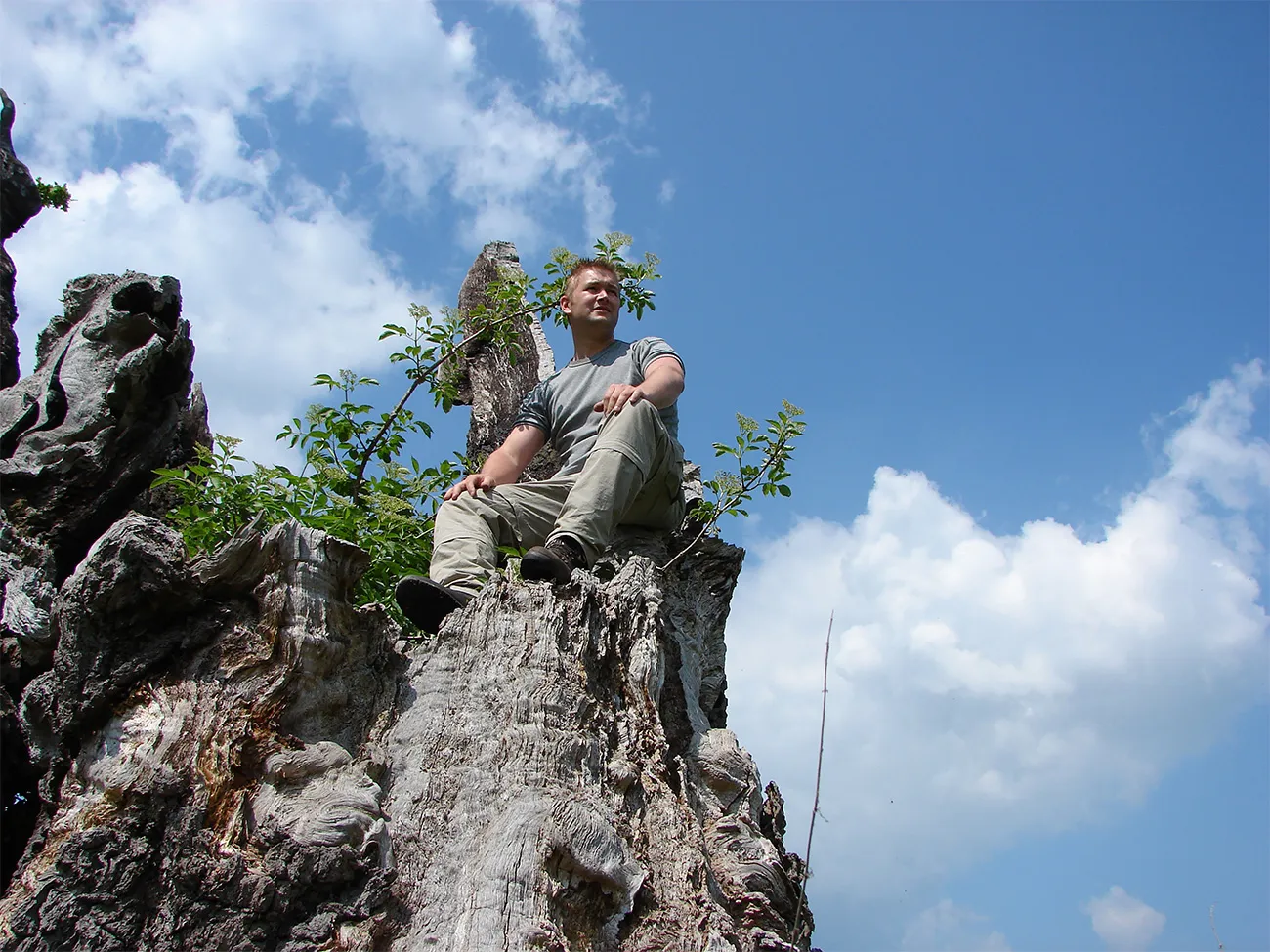
“Trees are essential, but sometimes have to endure a great deal. Excavation work for new developments or infrastructure redevelopment can damage roots and trunks. Trees can also be damaged by storms, lightning strikes, fires and collisions. In the worst case, the tree cannot be saved. But even partial damage can have far-reaching consequences for the tree’s retention or management.
Year on year, the extremes in weather are becoming more pronounced. Conditions can shift from dry to very wet, and from tropical temperatures to near-tropical storms. Trees are uprooted or break, potentially causing damage. Storms cannot always be predicted, of course, but liability is generally first assigned to the tree’s owner.
My expertise is regularly called upon to analyse the cause of damage or injury in relation to the tree’s technical condition before the incident. I am a registered tree valuer and, in that role, assess damage for insurers. I do this using the NVTB method (Netherlands Association of Tree Valuers).
We recently updated the method to meet the needs of the modern era. Both the NVTB guidelines and the NVTB calculation method have changed. This was prompted by a ruling made by the Council of State several years ago concerning the loss of functional tissue in a damaged tree. In such cases, a tree’s function will be impaired unless, for example, it receives additional maintenance and care. The Council of State found that such damage, and the time and treatment needed for recovery, could not be measured adequately. We therefore revised the calculation method.
The new approach means that when a tree’s functional tissue has been damaged, we can explain more clearly what treatment is needed to help the tree recover and what costs this involves. This makes damage claims more concrete and transparent. For this reason, the revised calculation model also includes clear examples in words and pictures, so that everyone, including people with less knowledge of trees, can see exactly what we mean. It also explains what constitutes damage and when that damage becomes compensable.
Damage does not always mean loss, after all. Some damage has little effect on a tree’s health. But be aware: an increasing number of tree owners are adding penalty clauses to, for example, grass-mowing specifications. If care is not taken with trees in the vicinity during mowing or construction work, a penalty can indeed be imposed for each instance of damage. This is often decided when the owner does not want to engage a valuer for every instance of damage, but does expect the trees to be treated with care. So, as a gardener or green-space professional, make sure you are aware of this!
Trees have a great deal to offer us. They are indispensable in our landscape and provide oxygen, food, protection, nesting sites and building materials. They are also becoming increasingly important for capturing particulate matter, lowering temperatures in cities and retaining water. At the NVTB, we aim to include these benefits in future calculation models too.
Trees deserve our care and attention. We cannot do without them.
The new guidelines can be downloaded from the NVTB website: www.boomtaxateur.nl.
Ronald Wobben,
Owner of Expedio Arbori, tree surveys, consultancy and valuation
Question about this story? Ask your question
Keep following this
Get an email when a new story is published. No account needed.
- SubjectThe Pen