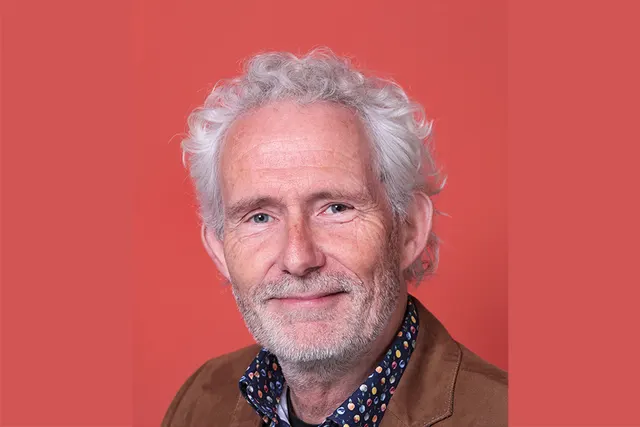
The Pen | Wim Peeters, Lecturer in Arboriculture, Vives University of Applied Sciences, HIVB Campus Roeselare
Trees take time. Do we give them the space?
Trees are important structural elements in both public green spaces and private gardens. They shape green space, but they also change growing conditions. Competition for water and growing space, as well as shade, has a significant effect on the species that grow beneath trees. This may be a limitation for the designer, but it is also a challenge for anyone looking to shape green space creatively.
Large trees have a greater impact on their surroundings and need much more underground growing space than smaller trees. However, it also takes a long time for them to claim that space, both below and above ground. Designers do not need to provide all that space at once. It can be increased gradually, each time a street, square or garden is redesigned. As a rule of thumb, underground growing space increases by one cubic metre per year. An extra 40 cubic metres is therefore enough to bridge the period until the next redesign. So, if designers want to incorporate a future tree into a plan, they do not need to provide everything at once. Trees take time.
There are two conditions. First, we need to be willing to incorporate existing trees. This gives a design greater strength. A green environment with mature trees is priceless. The added value of existing trees in redevelopment projects can hardly be overstated. A truly creative designer can still make their own mark while retaining the elements that shape the space. A design does not lose its impact by incorporating existing features. If we consider it logical to preserve existing historic buildings and include them in a new plan, the same can apply to existing trees.
Does that mean we should preserve every tree at all costs? I have my doubts. A sustainable approach to green space, with trees that are fit for the future, is not about numbers but canopy volume. We therefore need fewer trees with larger canopies. Where necessary, we must be willing to thin the existing tree stock, giving the trees that remain more space. This can make a square, street or garden much greener. Size matters, it really does.
The second condition is that we must be willing to remove paving that serves no lasting purpose. This has many benefits, which will become especially important in the heat islands that are our cities. Less water needs to be drained away. An open, planted growing area will also retain less heat. These are not minor details. The budgets saved can be put to creative use by the designer. This is where a designer can really add value. And when the area beneath a tree is designed so that fallen leaves can remain there, our trees benefit too. They grow better, become larger and have a greater impact. In the end, no designer can take pride in a design knowing that the trees in it will never reach the intended final appearance
set out in the plan.
Question about this story? Ask your question
Keep following this
Get an email when a new story is published. No account needed.
- ThemeTrees and plants for tomorrow
- SubjectThe Pen