‘Will AI replace our jobs in the future?’
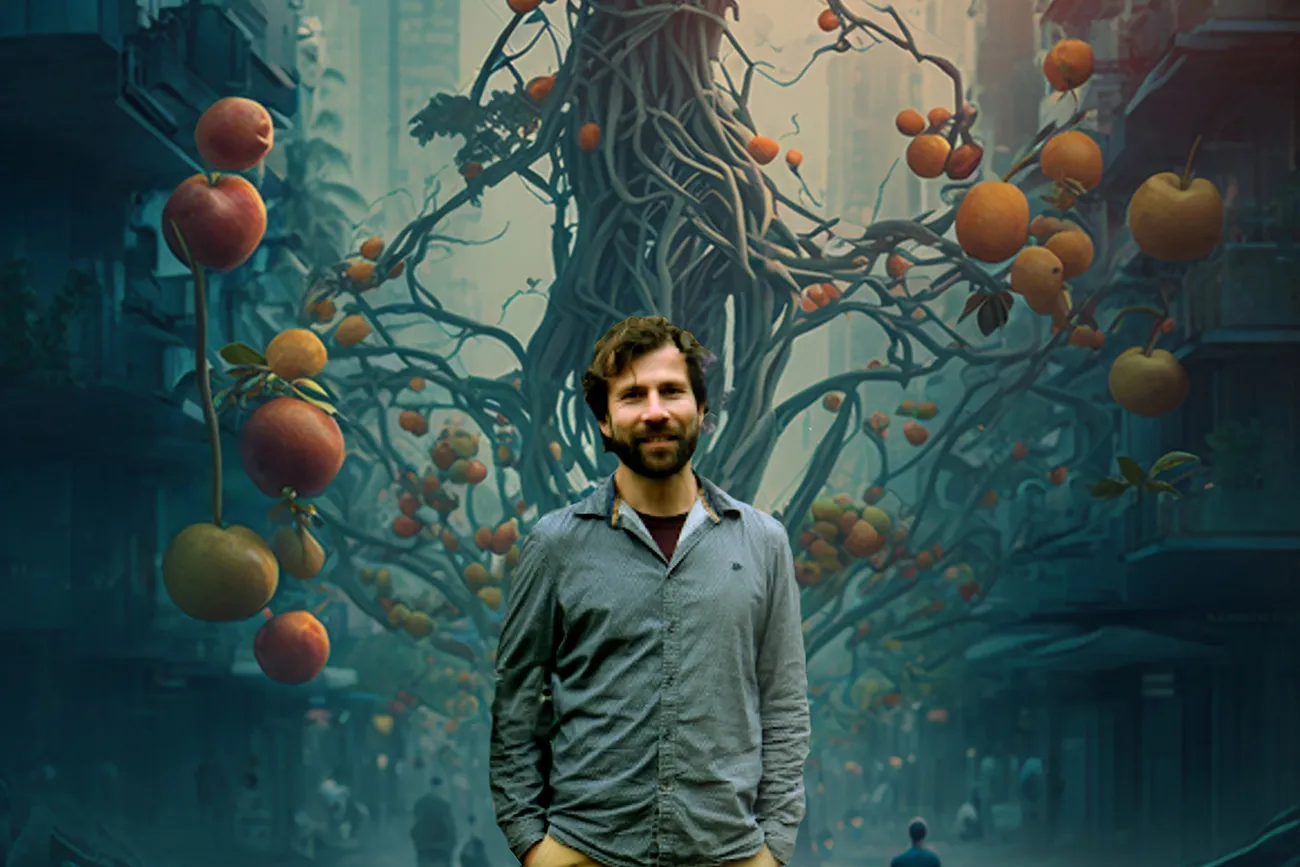
“At first glance, landscape architecture and Artificial Intelligence (AI) have little to do with each other. Or so you might think.
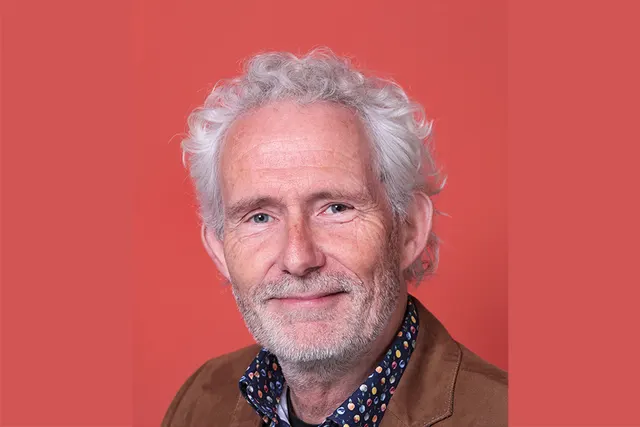
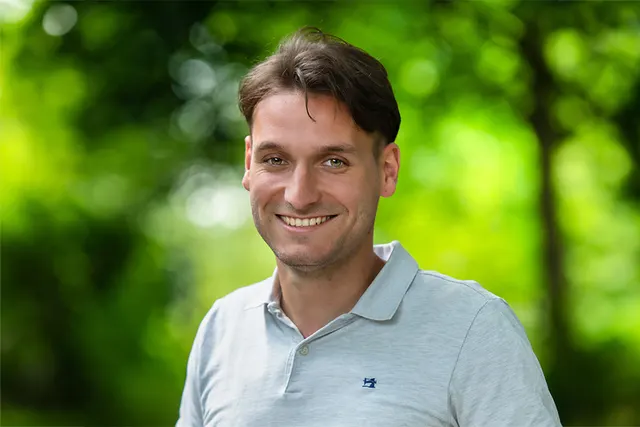
Cor Simon, landscape architect, affiliated with Hemelse Natuur and a committee member at Young NVTL
Even so, I have recently been captivated by technology that is advancing at an ever-increasing pace and reaching a wider audience through platforms such as Chat GPT. I read a lot about it and experiment with programmes such as DALL-E and Midjourney, which let you create fantastic illustrations. This has convinced me that artificial intelligence is an extremely interesting new technology with potential for our profession. Although some people are afraid it will cost them their jobs. But let me explain how I see it..
At its core, landscape architecture is about designing and planning outdoor spaces. ‘Making the future better’: that is literally what our profession is about. AI is a wonderful tool that you can use. For example, it can be a brilliant analytical tool for identifying where traffic is heavy and where it is light, helping determine where a city needs plenty of parking spaces and where it does not.
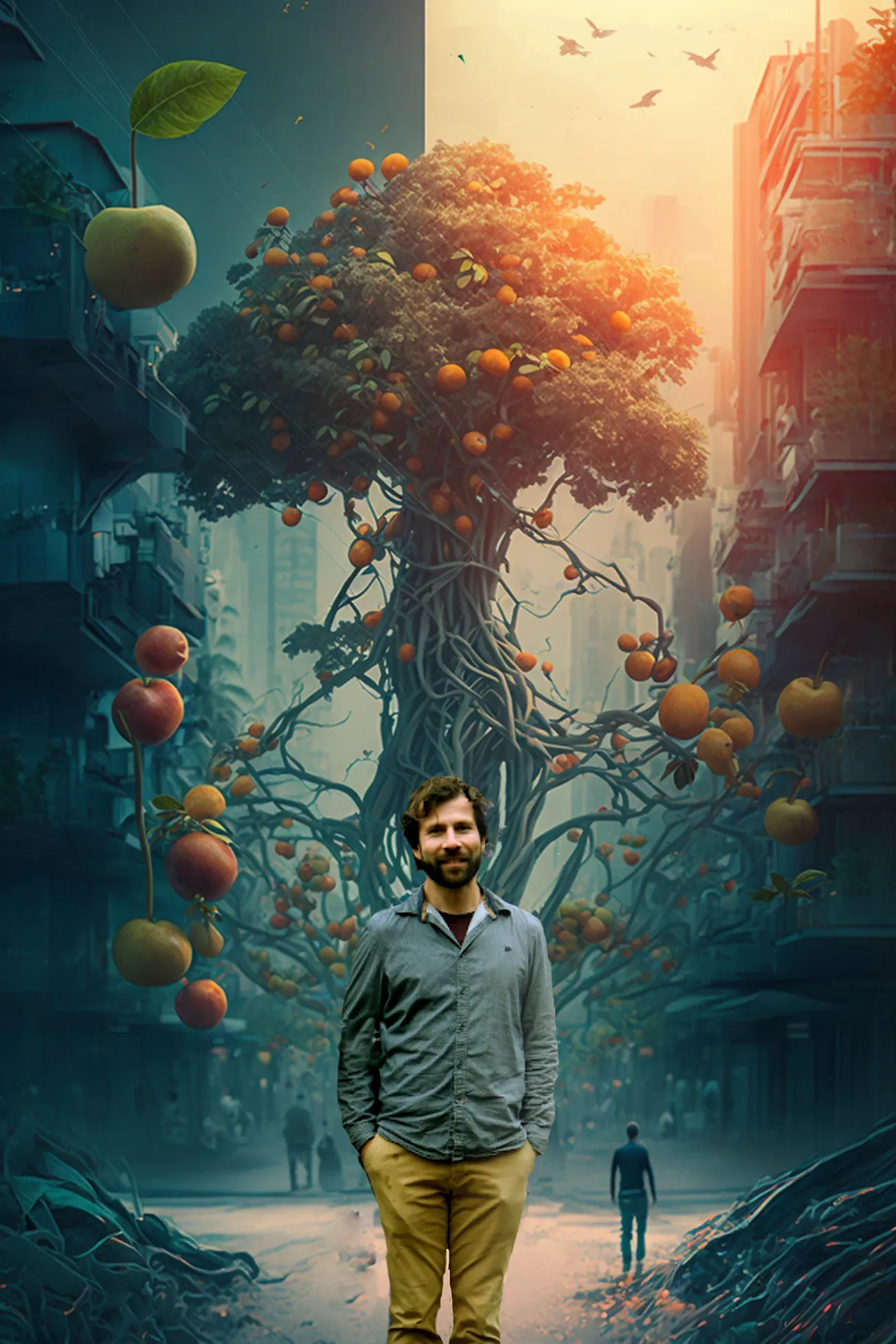
Chatbots, such as Chat GPT, which is currently making headlines, are also great for writing texts or looking up lists of plants. I used one to quickly compile a selection of plants for a food forest. The criteria vary each time. For example, you might look for plants that bear fruit or nuts, can grow in sandy soil and are preferably native. I enter all these criteria and, within 3 seconds, have a list of suitable plants. Looking them all up myself would have taken a huge amount of time. One advantage of AI is that it lets you look beyond your own ‘plant bubble’. It offers a wider selection because it has access to far more data. Ultimately, it is up to us to decide whether the plants selected by AI really do have the right qualities for a particular project: how tall they grow, how they work together, what care and maintenance they require, and so on.
Another tool that is becoming increasingly accessible is Virtual Reality (VR) and augmented reality (AR). These let you take clients on a virtual ‘walk’ through a landscape you have designed. I have noticed that many clients do not get the right impression of my designs from a 2D drawing.
Of course, I also understand the ‘danger’ of relying too heavily on artificial intelligence. You often do not know exactly where a chatbot gets its information. And I also do not think a chatbot understands the precise applications of certain plants. It does not yet have a good enough grasp of that. But development is progressing exponentially fast.
I am sure that, if used in the right way, the tools being developed now can enrich our profession. But, as with any new technology, we need to be cautious. That is why I am keen to join the debate we are organising this spring with young NVTL.
Just remember that after spending time in virtual reality, it is also good to get out into reality and get your hands in the soil to grow your own vegetables.
Question about this story? Ask your question
Keep following this
Get an email when a new story is published. No account needed.
- SubjectThe Pen